Info@bukitlawangtravel.com

Bukit Lawang River and Jungle Survival in Sumatra
Plan a Bukit Lawang River and Jungle Survival Sumatra adventure with certified local guides, ethical wildlife practices, river safety, and packing tips.

Bukit Lawang River & Rainforest Guide
River adventure, jungle knowledge and responsible survival
Learn how to move safely through the Sumatran rainforest, understand changing river conditions, respect wild orangutans and choose an adventure that matches your experience.
Journey Essentials
Everything important at a glance
01
Local guides first
Terrain, wildlife and river knowledge
02
Flexible conditions
Rain can change trails and water levels
03
Ethical wildlife
Distance, silence and responsible observation
04
Adventure matched to you
Choose the right duration and difficulty
The Bohorok River and Gunung Leuser rainforest are beautiful,
powerful and constantly changing natural environments.
Adventure with awareness
The rainforest is not something to conquer.
It is a living landscape to understand, respect and experience with the right local knowledge.
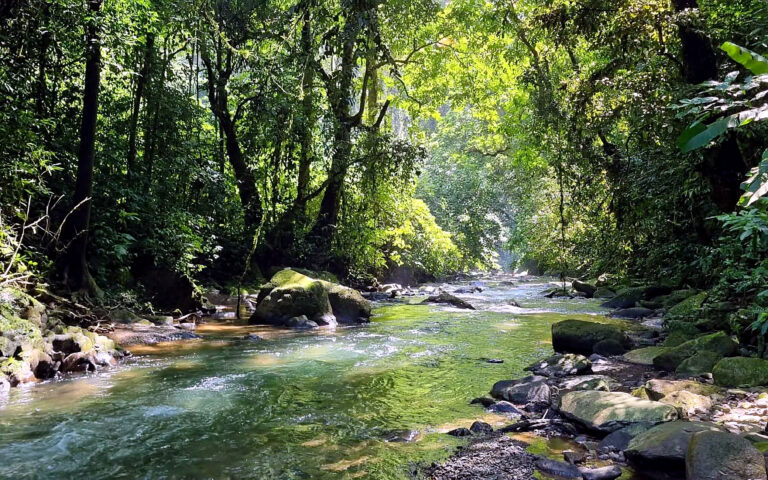
A tropical river can look gentle from a guesthouse balcony, then become loud, fast and completely different after an afternoon downpour. If you are searching for Bukit Lawang River and Jungle Survival Sumatra, the real adventure is not about proving you can conquer the rainforest alone. It is about learning how to move through a living forest safely, read changing conditions and experience one of Sumatra’s most remarkable landscapes with respect.
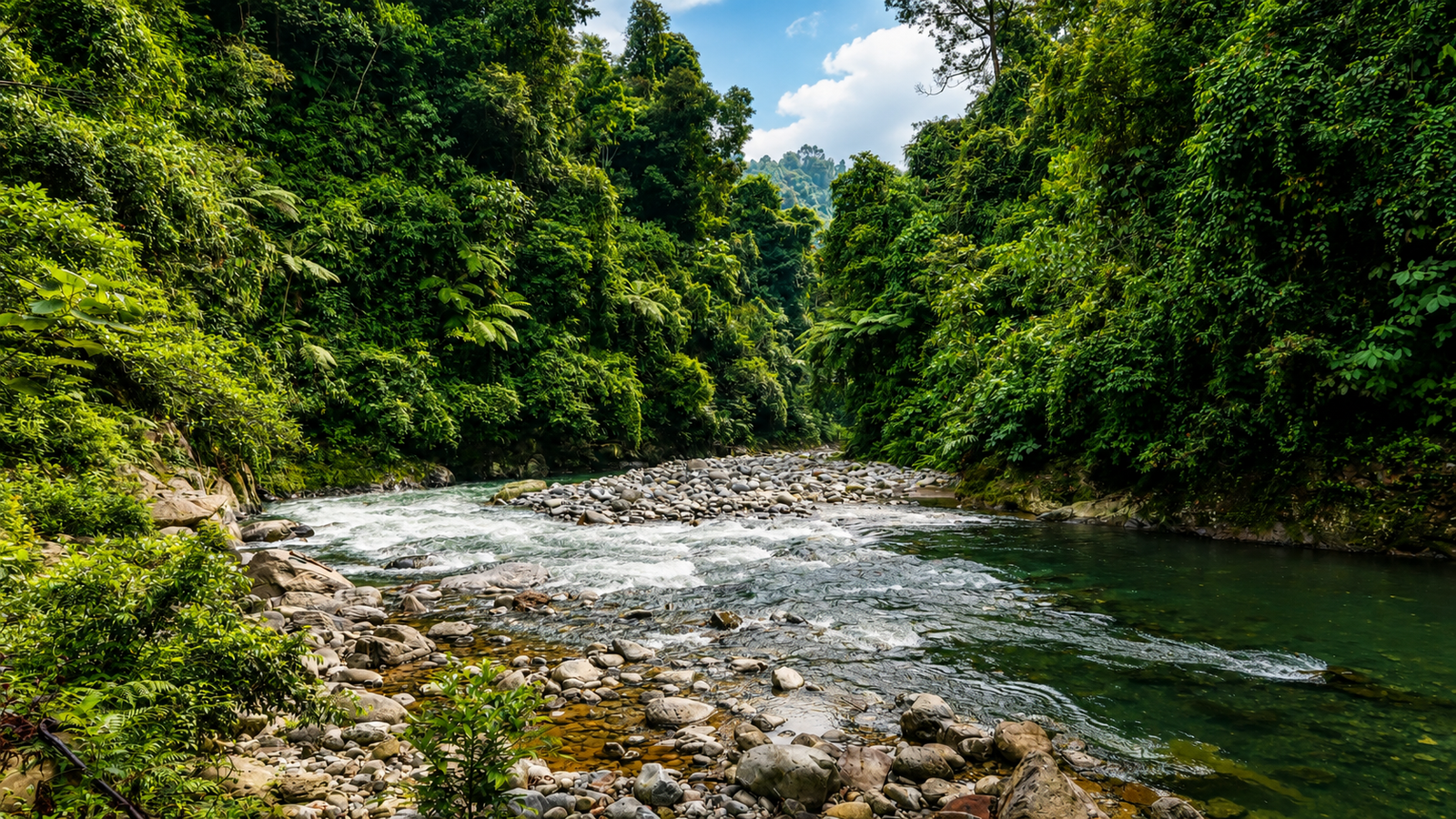
Bukit Lawang sits beside the Bohorok River at the edge of Gunung Leuser National Park, where lowland rainforest, river valleys and village life meet. A guided jungle trek followed by a river journey is an unforgettable way to experience this area. It also requires good judgment. The jungle is humid, trails can be steep, wildlife needs space and water levels can change quickly.
01
Practical jungle knowledge
What survival means here
Preparedness, patience and local guidance
“Survival” can sound dramatic. In Bukit Lawang, it should mean practical preparedness rather than reckless independence. Certified local guides know the terrain, seasonal rainfall patterns, safe river entry points and wildlife behavior that visitors may not recognize. Their knowledge turns a demanding environment into a meaningful, well-managed adventure.
On a short trek, jungle skills may be as simple as pacing yourself on muddy ground, carrying enough water and listening when your guide asks the group to become quiet. On a multi-day expedition, those skills expand to choosing a safe campsite, keeping gear dry, managing food without attracting animals and responding calmly if weather changes the plan.
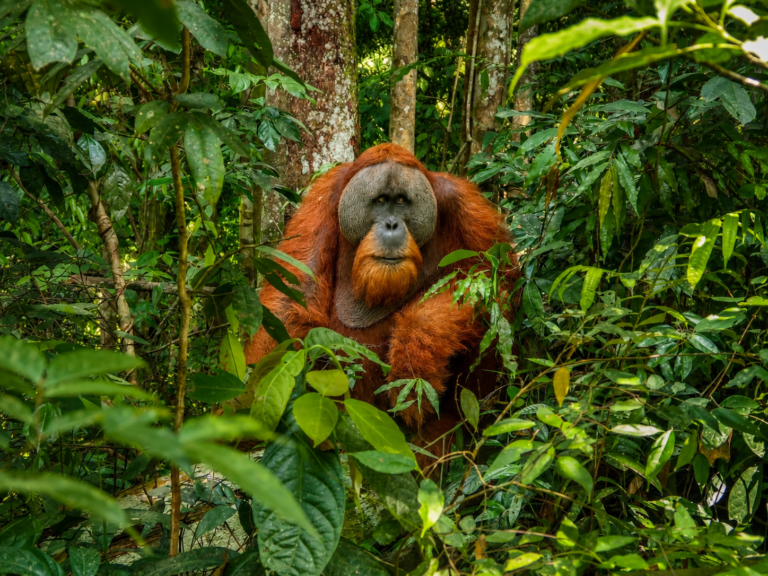
The goal is never to recreate a television survival challenge. Gunung Leuser’s rainforest is a protected habitat, home to critically endangered Sumatran orangutans and many other species. A responsible visit leaves the forest as it was found and gives wildlife the distance it deserves.
The Bohorok River
Adventure shaped by changing conditions
The river can be refreshing, exciting and powerful. Recent rainfall upstream matters more than the weather you see from the village.
01
Guide assessment
River activities begin only after local guides assess water level, current, weather and safe entry points.
02
Clear briefing
Listen carefully to instructions about seating, holding on, falling into the water and avoiding strong current.
03
Flexible decisions
Delaying, rerouting or cancelling when conditions are unsuitable is responsible travel, not a missed adventure.
The Bohorok River is part of the rhythm of daily life in Bukit Lawang. It can be a refreshing finish to a hot trek, a route for a guided rafting experience or a powerful reminder that nature sets the schedule. River conditions depend on recent rainfall upstream, not just the weather in the village.
During suitable conditions, rafting or a traditional tube-style river journey can be a fun, high-energy addition to a jungle trek. You may float through lush scenery, pass boulders and small rapids and see the forest from an entirely different angle. It feels wild because it is real water in a real river, not a controlled ride.
A safe river trip begins with a guide’s assessment, proper equipment and a clear briefing. Avoid loose valuables, keep essentials in a sealed dry bag and tell your guide in advance about medication. Most importantly, never enter the river alone after heavy rain or when a local guide advises against it.
Moving through the jungle
Choose the right pace and pack only what matters
Trails may be steep, humid, muddy and slippery. Honest information about your fitness helps the guide choose a safer experience.
A three-hour or half-day walk can be an excellent choice for families, first-time trekkers or travelers with limited time. Longer expeditions offer deeper immersion, more time in the forest and carefully selected camps, but require more stamina and comfort with basic conditions.
Wear lightweight, quick-drying clothing, closed-toe shoes with good grip and a small rain jacket. In the tropics, sun, heat, mud and rain can all arrive on the same day.
- Refillable water and any personal electrolyte needs
- Waterproof layer and dry protection for valuables
- Insect repellent, sunscreen and personal medication
- Lightweight long sleeves or trousers for trail comfort
- Headlamp for overnight trips or possible late returns
- Compact backpack with only the essentials you need
Travelers sometimes overpack because the jungle feels unfamiliar.
Extra weight makes steep, humid trails harder. Pack thoughtfully
and let your guide manage route planning and shared equipment.
See our
jungle trekking packing guide
.
Wildlife comes first
Respect is the first rule of every encounter
Seeing an orangutan can be unforgettable. It should never become a chase, feeding opportunity or close-up photo session.
Stay with your guide, keep a respectful distance and follow instructions immediately if an animal moves closer or the route changes. Ethical trekking protects wildlife health, natural behavior and space.
- Never touch or feed orangutans or other wildlife.
- Do not call, chase, attract or surround animals.
- Avoid flash photography and keep noise low.
- Follow your guide when wildlife changes the route.
- Tell the operator if you are unwell before trekking.
05
Camp, water and waste
Leave no trace
A simple camp should leave the forest unchanged
Multi-day jungle trekking is where local guidance matters most. A good camp is not simply the prettiest riverbank. It must be selected with weather, water levels, terrain, group comfort and environmental impact in mind.
Do not drink untreated river water. Guides arrange safe drinking water and explain how water is managed during an expedition. Bring a refillable bottle and avoid disposable plastic whenever possible.
Nothing should be left on the trail or at camp, including fruit peels, tissues, wrappers and “biodegradable” items. Food scraps can alter animal behavior, while litter remains long after a group has gone home. Carry out what you bring in.
A responsible jungle camp is simple, not luxurious. You may sleep with the sound of the river nearby and wake to gibbons calling through the trees. That sense of place is the reward, but it depends on every visitor treating the forest as a home rather than a backdrop.
Choose the right adventure
Match the trek to your time, fitness and comfort level
There is no prize for choosing the longest route. The best experience is the one your group can enjoy safely and comfortably.
First-time visitors
Short or half-day trek
Ideal for families, limited schedules and travelers who prefer a shorter introduction to the rainforest.
Deeper immersion
Full-day or overnight trek
Spend more time observing wildlife and experience a simple riverside jungle camp.
Experienced adventurers
Multi-day expedition
A physically demanding journey for guests comfortable with long trekking days and basic jungle conditions.
Tell your guide about your fitness, swimming confidence, dietary needs,
injuries and concerns around insects, heights or water. Clear
information helps the team recommend an itinerary that feels
adventurous without creating unnecessary pressure.
Adventure with local knowledge
Come ready to get muddy, slow down and listen closely.
With the right guide, the river becomes more than a thrill and the jungle becomes more than a checklist. It becomes a place you understand well enough to protect.