Info@bukitlawangtravel.com

Nasi Goreng
Indonesian fried rice, usually cooked with vegetables, egg and a choice of chicken, seafood, tofu or tempeh. Ask for “tidak pedas” when you prefer it mild.
Info@bukitlawangtravel.com

From family-run warungs and spicy Indonesian favourites to riverside restaurants, fresh juices and strong Sumatran coffee, eating in Bukit Lawang is a relaxed part of the journey. This practical guide helps you order confidently, understand prices and make safer, more responsible choices.
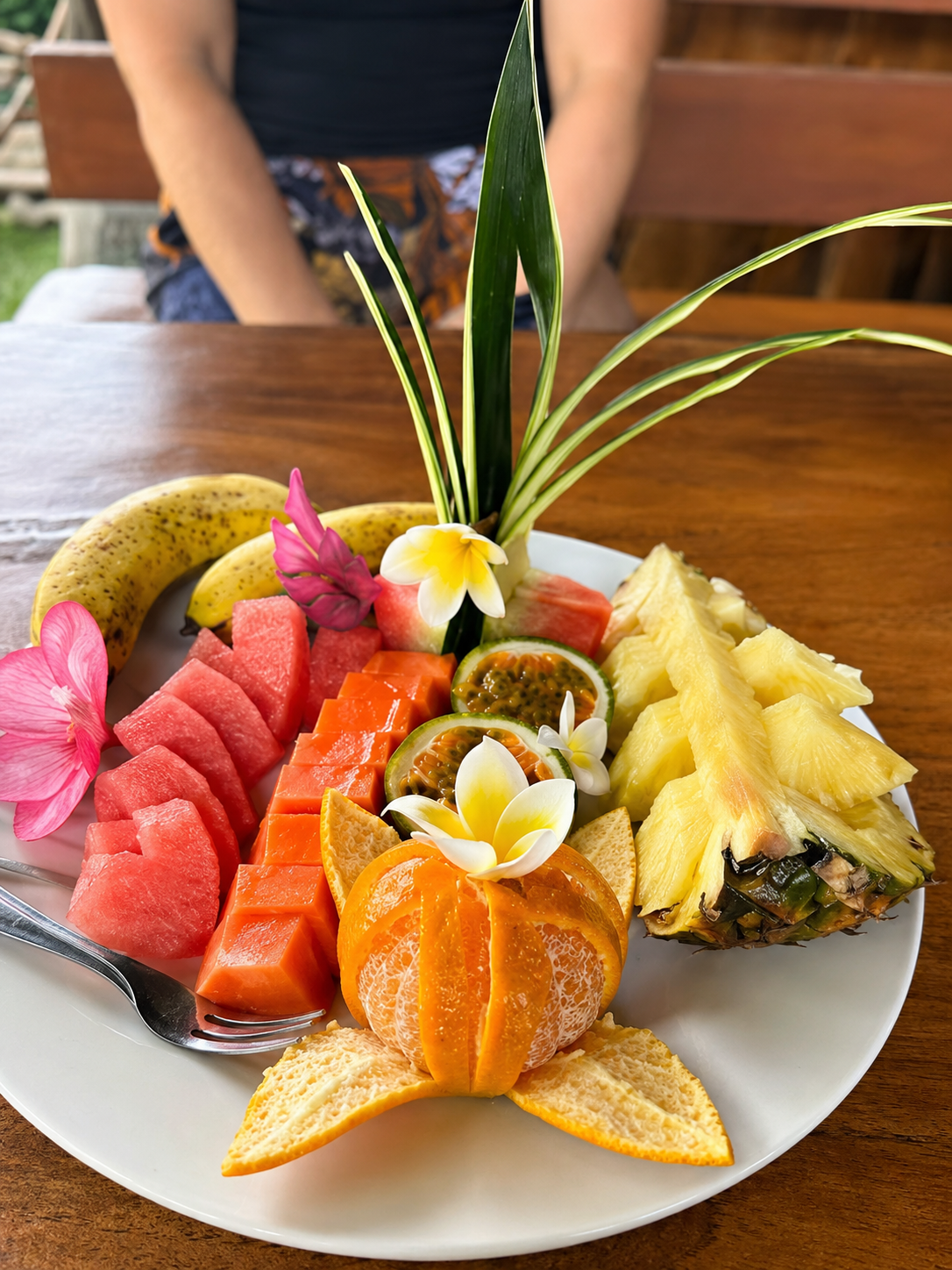

Bukit Lawang is a small rainforest village rather than a large culinary destination. That is part of its charm. Meals are often freshly cooked in family kitchens, guesthouse restaurants or relaxed open-air dining spaces close to the Bohorok River.
Fried rice, noodles, curries, soups, grilled chicken, vegetables, tofu and tempeh appear on many menus.
Service can feel slower than in a city restaurant, especially when several tables order at once.
Availability depends on season, fresh ingredients and family schedules, so ask locally before making a special journey.
Recipes vary from one family kitchen to another. The best approach is to ask what is freshly available and let the cook know how spicy you would like your meal.
Indonesian fried rice, usually cooked with vegetables, egg and a choice of chicken, seafood, tofu or tempeh. Ask for “tidak pedas” when you prefer it mild.

Stir-fried noodles with vegetables and savoury seasoning. Versions with chicken, egg, tofu or tempeh are common and portions are usually generous.
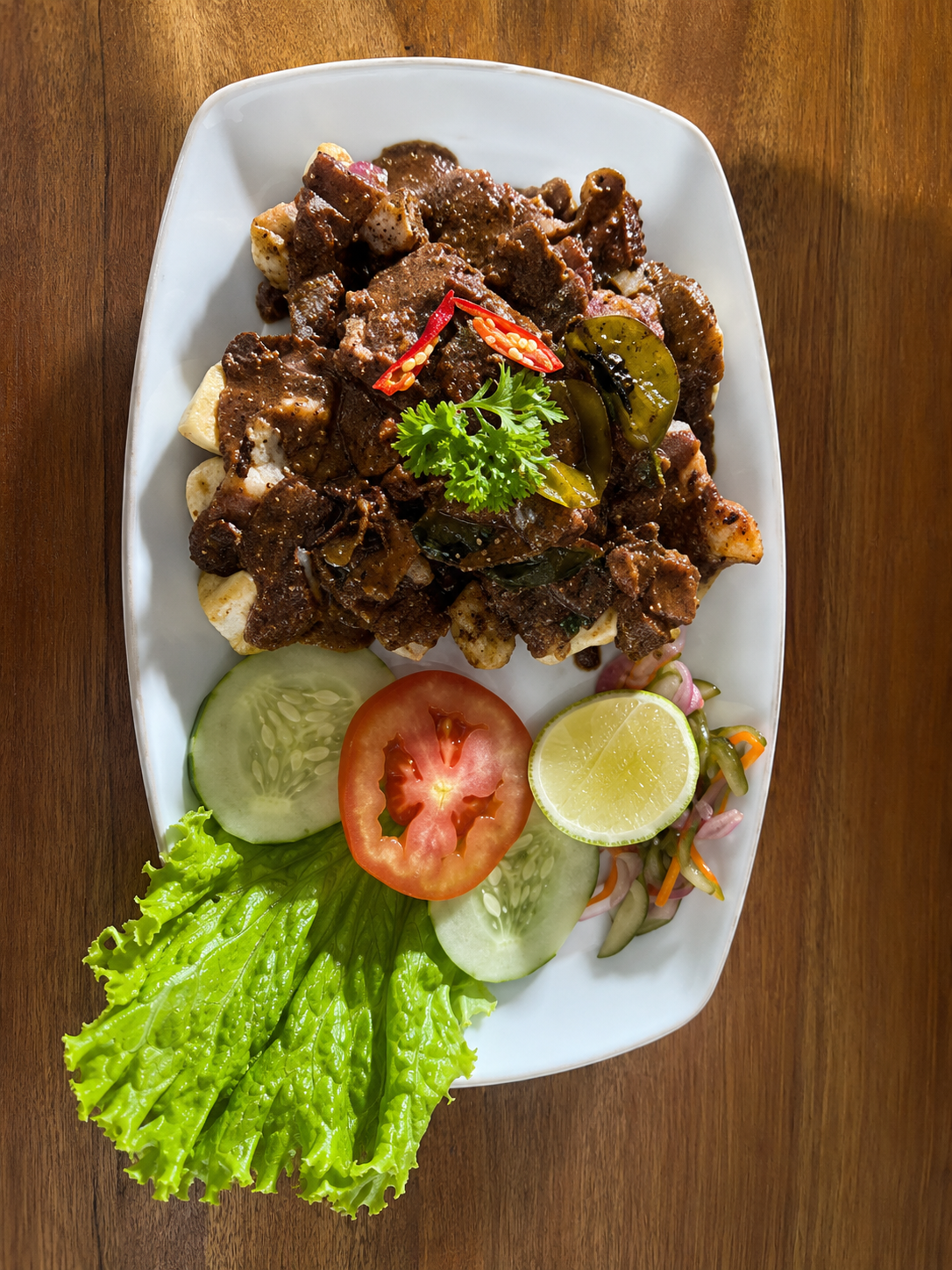
Cooked vegetables, tofu, tempeh and sometimes egg, served with a rich peanut sauce. Guests with a nut allergy should choose another dish and explain the allergy clearly.

A fragrant chicken soup that may include rice or noodles, herbs, egg and crispy toppings. It is a comforting option after travelling or a wet rainforest morning.
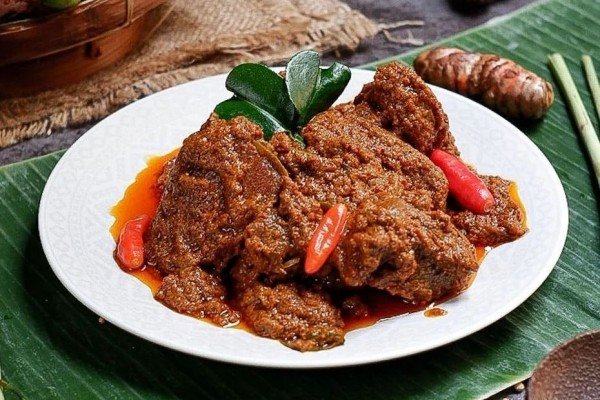
Slow-cooked meat or vegetable dishes with coconut milk, herbs and spices. Availability changes, so ask which curry or daily special is freshly prepared.
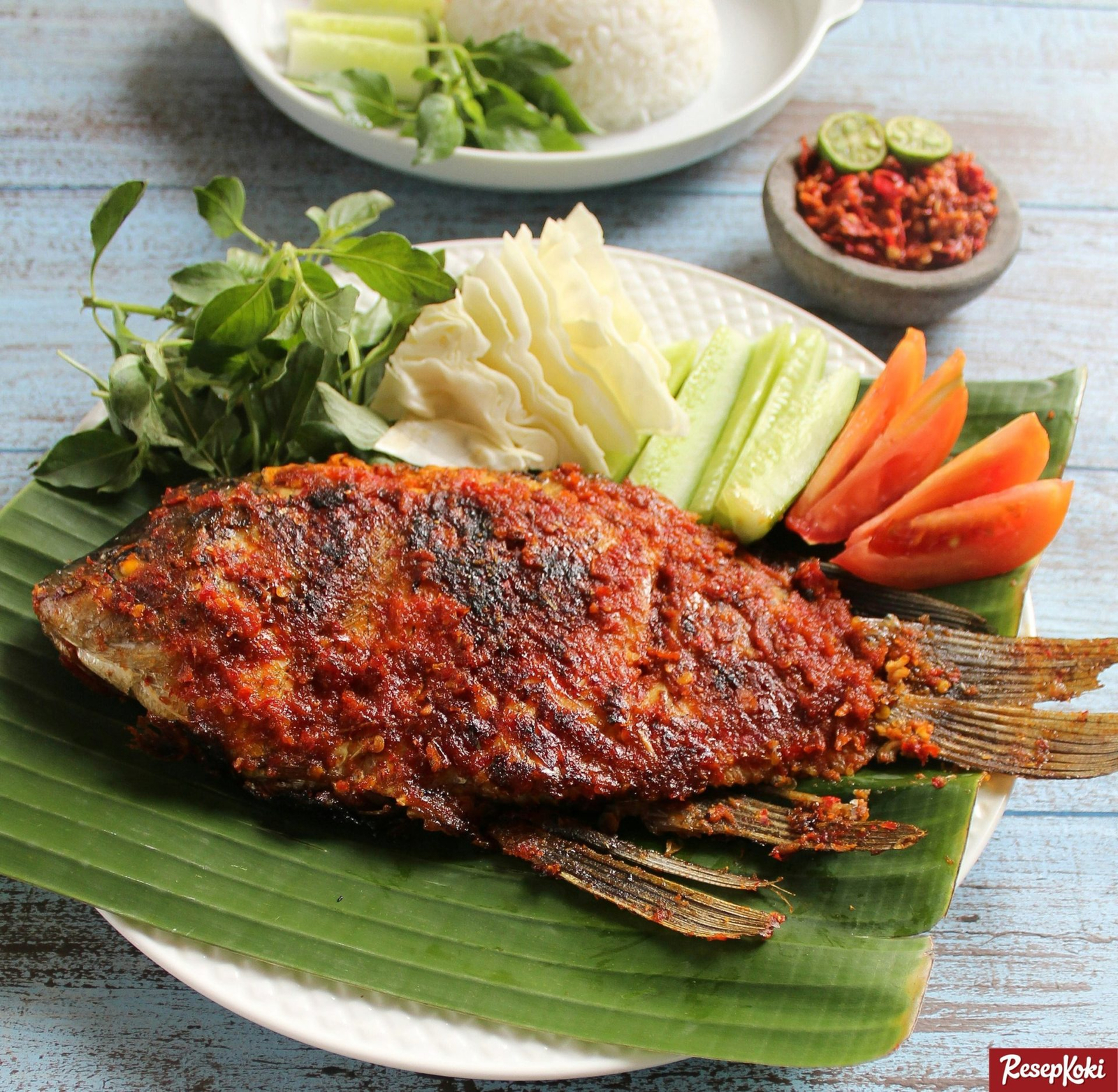
Grilled fish or chicken served with rice, vegetables and sambal. Ask what is fresh that day and request the sambal on the side when you are unsure about the heat.

These are practical guide ranges, not fixed prices. Restaurants, portions, ingredients and seasonal availability can change the final amount.
Fried banana, small market snacks, seasonal fruit or a simple local drink.
Rice, noodles, soup or a simple plate with vegetables, egg, chicken, tofu or tempeh.
Guesthouse or traveller-oriented main dishes, fusion food and larger portions.
Local coffee, tea, fresh juice, smoothies or coconut drinks.
Carry smaller rupiah notes. Some established businesses accept cards or Indonesian QR payments, but many small warungs and guesthouse kitchens remain cash-first.
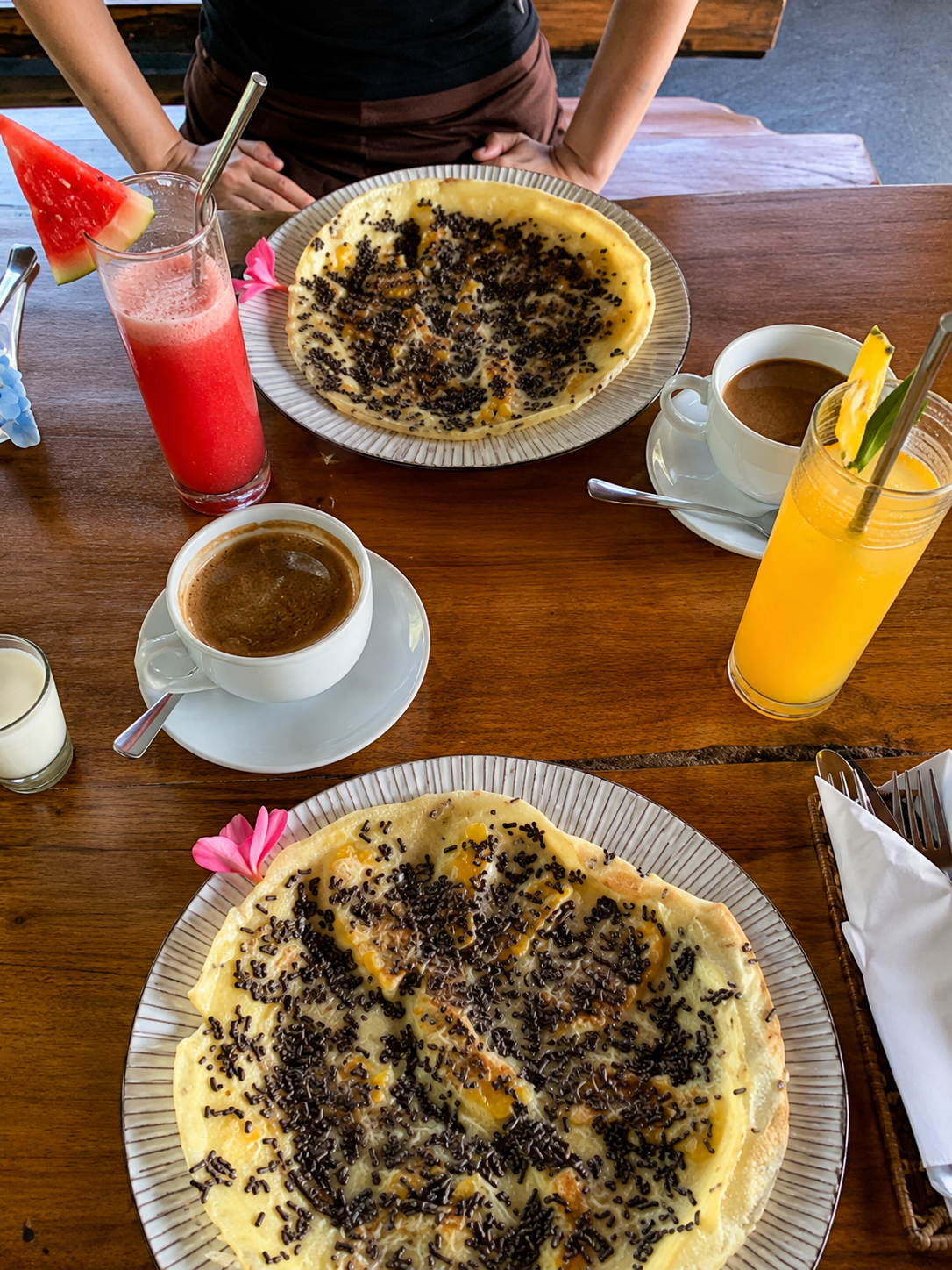
Bukit Lawang has a mixture of local warungs, family guesthouse kitchens and riverside restaurants created for travellers. Many places serve both Indonesian and familiar international food.
Our family-run restaurant serves freshly prepared Indonesian dishes, breakfast, fruit and drinks in a relaxed tropical setting.
A good choice for jungle views, longer meals, cold drinks and menus combining Indonesian and Western favourites.
Usually the most affordable and authentic option. Point to the dishes you want and ask the price before ordering when no menu is displayed.
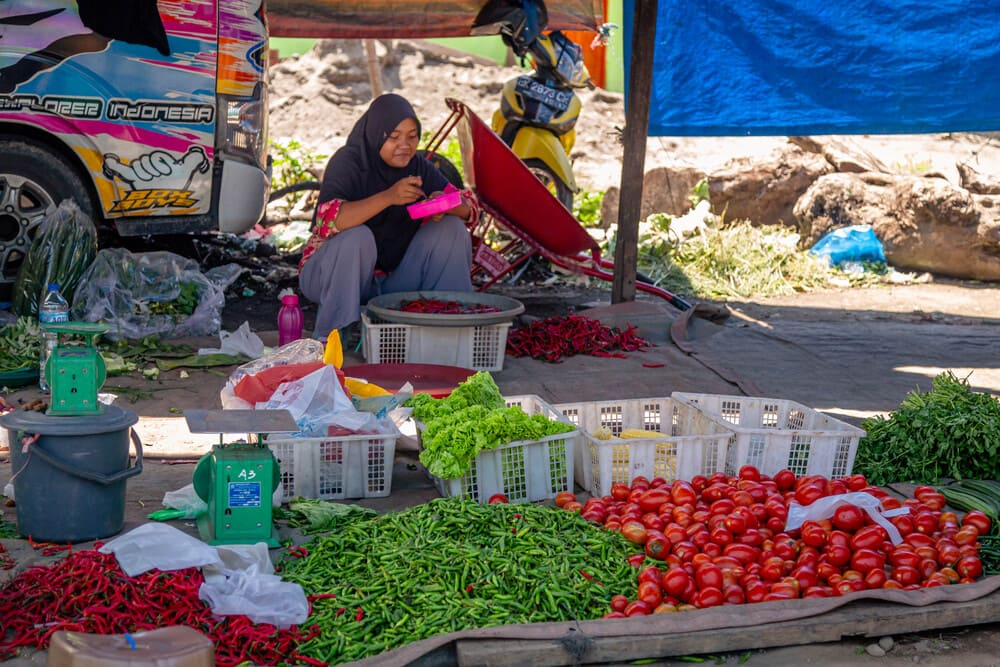
See local fruit, vegetables, spices, snacks and everyday village shopping near the Bukit Lawang transport area.
The weekly Friday market at Gotong Royong is roughly one kilometre from the main tourist village. It is a lively place to see regional produce, try simple snacks and experience ordinary community life beyond the riverside restaurants.
Most small kitchens are happy to help, but ingredients and cooking equipment may be shared. Serious allergies require extra care and cannot be managed by a casual request alone.
Tofu, tempeh, vegetables, rice and noodles are widely available. Vegan guests should also request no egg, dairy, shrimp paste, fish sauce or meat stock.
Peanuts, soy, egg, seafood and gluten-containing sauces are common. Carry a translated allergy card and choose a simple freshly cooked dish.
Many local meals use chicken, fish or vegetables, but not every kitchen is halal-certified. Karo and Batak pork dishes also exist, so ask when strict separation matters.
Choose busy, clean-looking places, eat food that is freshly cooked and served hot, and keep drinking enough safe water in the tropical climate.
Use sealed bottled water or a trusted filtered refill. Use safe water for brushing teeth when you are unsure of the supply.
Ice from purified commercial water is commonly used, but ask the restaurant when water quality is unclear.
Be cautious with food that has been sitting uncovered, raw seafood or cut fruit that may have been washed with unsafe water.
Buy branded, sealed drinks from reputable businesses. Avoid homemade, unlabelled or suspiciously cheap spirits because methanol poisoning has occurred in Indonesia.
More of your spending stays with local cooks, farmers, staff and small businesses.
Use a reusable bottle and trusted filtered-water stations to reduce single-use plastic.
Say no to straws, bags and takeaway packaging when you do not need them.
Fresh food takes time and ingredients are valuable in a small village kitchen.
Learn to prepare Indonesian dishes in a local cooking class, visit the weekly market, or combine food, village life and rainforest experiences with our family-run team.