Nias Island guide updated July 2026

Nias Ocean Power. Living Heritage.

A remote island journey shaped by world-class waves, megalithic villages, traditional architecture and communities with a strong identity of their own.

Surfing Megalithic culture Traditional villages Island landscapes
Tropical coast and ocean landscape on Nias Island, North Sumatra
Recommended stay 4–7 nights Longer stays suit surfers and cultural journeys.
Main air gateway Binaka Airport Near Gunungsitoli in the northern part of the island.
Culture base South Nias Bawomataluo, traditional houses and megalithic heritage.
Surf base Sorake & Lagundri Powerful reef waves and an established surf community.

West of Sumatra

An island where the journey matters as much as the destination.

Nias lies in the Indian Ocean off Sumatra’s western coast. Its strongest travel experiences come from combining the famous surf around Sorake and Lagundri with the traditional villages, stone monuments and distinctive wooden architecture of South Nias.

Move slowly, allow time for the roads, and meet Nias through local people rather than treating the island as only a beach stop.

Two sides of Nias

Ocean adventure and one of Indonesia’s most distinctive island cultures.

Nias becomes far more meaningful when surfing, beaches and marine days are balanced with respectful visits to traditional communities.

Ocean Nias

Powerful waves and tropical island horizons

Sorake and Lagundri are internationally known for surfing. The wider island also offers beaches, offshore islands, fishing, snorkeling and quieter coastal landscapes.

Sorake Lagundri Hinako Islands Asu Island Gawu Soyo
Cultural Nias

Stone, timber and traditions carried through generations

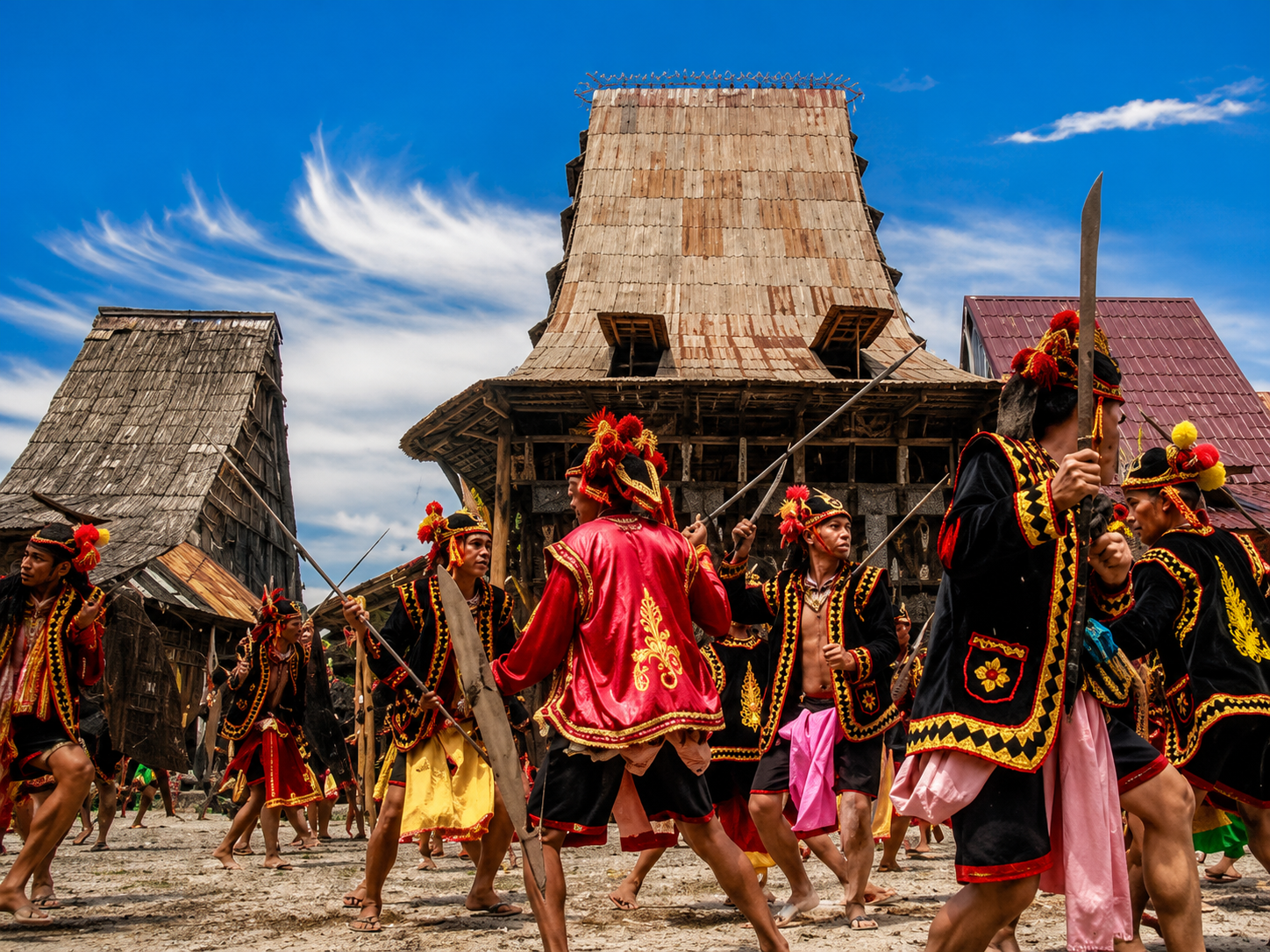
Bawomataluo and other villages of South Nias preserve traditional houses, stone monuments, ceremonial spaces, dance and the well-known Hombo Batu stone-jumping tradition.

Bawomataluo Omo Hada Megalithic stones Hombo Batu Traditional dance
01

Bawomataluo village

Walk through one of South Nias’s most significant traditional settlements, known for its formal village plan, houses and stones.

UNESCO tentative-list site
02

Hombo Batu

Learn about the history and meaning of stone jumping. A performance should be arranged respectfully and is not guaranteed on demand.

Culture, not a staged prop
03

Sorake surf culture

Watch experienced surfers or enter the water only with conditions, equipment and skill level properly assessed.

Advanced waves possible
04

Traditional architecture

Discover Omo Hada houses and the engineering, social history and symbolism behind their powerful timber forms.

Visit with local context
05

Island food

Try fresh seafood, cassava-based dishes, coconut flavours and local home cooking while discussing dietary needs in advance.

Support family businesses
06

Remote coastal days

Add a boat journey or quieter beach day only when weather, sea conditions and local transport make the route safe.

Keep the plan flexible
05

Suggested journey

Five days from arrival to the south

This is a flexible example. Flights, sea crossings, road conditions, weather and personal interests should shape the final itinerary.

01
Arrival day

Binaka Airport or Gunungsitoli port

Meet your driver, recover from the journey and stay near Gunungsitoli when arrival timing does not allow a comfortable same-day transfer to South Nias.

Airport or port pickup · rest · cash and supplies · route briefing
02
Overland south

Gunungsitoli to Teluk Dalam and Sorake

Travel south with breaks according to road and weather conditions, then settle into your chosen coastal or town base.

Long road journey · private driver · flexible arrival · sunset
03
Culture day

Bawomataluo and South Nias heritage

Visit the village with local guidance, learn about architecture, megalithic traditions and community history, and respect all photography and access requests.

Local guide · village contribution · respectful photography
04
Ocean day

Sorake, Lagundri and the island coast

Surf with appropriate experience and local support, or enjoy a slower coastal day watching the waves and exploring nearby areas.

Check swell and tide · reef awareness · no pressure to enter the water
05
Flexible extension

Another village, beach or return journey

Add a local cultural or coastal experience, or begin the return to Gunungsitoli with enough time for your confirmed flight or ferry.

Avoid tight connections · weather buffer · overnight near departure
Ocean and island safety

Nias rewards preparation, patience and respect for local conditions.

Reef surf, strong currents, changing weather and long road journeys require realistic planning. Use experienced local operators, confirm transport close to departure and keep a buffer around flights and ferry connections.

Conditions decide the day
01

Sorake is not automatically beginner-friendly

Reef, wave power and crowd conditions vary. Beginners should use qualified instruction and a suitable location.

02

Wear a helmet on motorcycles

Roads can be uneven, dark or wet. Avoid riding without experience, insurance and properly fitted safety equipment.

03

Protect against sun, dehydration and cuts

Carry drinking water, reef-safe sun protection, basic first aid and footwear suitable for coral, rocks and village paths.

04

Do not build a tight connection

Weather, ferry operations, flights and road delays can change. Consider a final night near your departure point.

Getting to Nias

Fly to Binaka or travel by sea from Sumatra’s west coast.

Air travel is generally the simplest option for international visitors. Sea services can be useful for flexible overland routes, but schedules and journey times must be checked live.

Flight to Binaka Airport

Check current airline routes and frequency directly before confirming accommodation or onward transfers.

Fastest option

Sea route from Sibolga

Passenger services operate according to published schedules, vessel availability and weather conditions.

Overnight possible

Gunungsitoli to South Nias

Private road transfer to Teluk Dalam, Sorake or Lagundri.

Approx. 4–6 hrs

Boat trips and offshore islands

Arrange locally with a responsible operator and reconfirm sea conditions before departure.

Weather dependent

Times are estimates. Road quality, weather, sea conditions, vessel operations and exact pickup points can significantly affect the trip.

Choose your base

Select the right area before selecting a property.

Accommodation names, ownership and standards can change. The location of your stay has a greater effect on the journey than an old hotel list.

Gunungsitoli Best for airport access, supplies and an arrival or departure night.
Teluk Dalam Useful for town services and access to South Nias villages.
Sorake / Lagundri Best for surfers, wave watching and a coastal atmosphere.
Offshore islands Suitable for remote stays only with confirmed transport and weather.
01

Cash and mobile data

Carry rupiah outside the main towns and download maps before entering areas where signal may be limited.

02

Local food

Look for fresh fish, coconut-based cooking, cassava dishes and family-run places. Explain allergies clearly.

03

Village etiquette

Dress respectfully, follow local guidance, ask before entering homes and contribute fairly when performances are arranged.

04

Photography

Ask before photographing people at close range, ceremonies, private interiors or children.

05

Travel insurance

Choose coverage suitable for surfing, scooters, boats, medical evacuation and delays in remote destinations.

06

Pack lightly

Use soft luggage, waterproof protection, a small medical kit and clothing suitable for heat, rain and village visits.

Helpful before booking

Frequently asked questions

How many days should we allow for Nias?
Four nights is a practical minimum for a short southern-island visit. Six or seven nights are better for surfing, village visits and a flexible weather buffer.
Is Nias only suitable for surfers?
No. Nias is equally significant for traditional villages, megalithic heritage, architecture, food and island landscapes.
Is Sorake suitable for beginners?
Conditions vary, but the famous reef wave can be powerful and technical. Beginners should use experienced local instruction and a location selected for their ability.
Is Bawomataluo already a UNESCO World Heritage Site?
No. Bawomataluo has been on Indonesia’s UNESCO World Heritage Tentative List since 2009. A tentative-list site is not the same as a fully inscribed World Heritage Site.
Can we see stone jumping every day?
Do not assume it is an automatic daily show. Arrange cultural activities respectfully through local people and agree on timing and contribution before travelling.
Should we fly or take the ferry?
Flying is usually faster and simpler. Ferries suit flexible overland itineraries, but sailing schedules, ports and sea conditions must be checked shortly before departure.
Can Nias be combined with Bukit Lawang?
Yes, but the journey requires careful planning through Medan, Sibolga or a flight connection. Allow enough days and avoid treating Nias as a quick side trip.

Build a journey from rainforest trails to the ocean edge.

Send your travel dates, number of guests and preferred activities. We can help connect Nias with Medan, Bukit Lawang or a wider Sumatra route while allowing realistic time for flights, roads and sea conditions.

English & German: +49 1624 798 611 Indonesia: +62 8527 0407 280 info@bukitlawangtravel.com

Travel information reviewed in July 2026 using tourism, UNESCO and transport sources. Always reconfirm flights, ferry schedules, road conditions, weather and local access before departure.

Need Help? Chat with us