Info@bukitlawangtravel.com

Best Orangutan Trekking in Sumatra and Indonesia
Plan the best orangutan trekking in Sumatra and Indonesia with ethical guides, smart trek choices, safety tips, and local travel planning for Bukit Lawang.

Ethical Orangutan Trekking · Sumatra
The Best Orangutan Trekking Starts With Respect
Discover Bukit Lawang and the Sumatran rainforest through small guided groups, responsible wildlife encounters and trekking experiences designed around nature — not performance.
Small Groups
More respectful forest experiences
Respectful Distance
Wildlife always comes first
No Feeding
Natural behavior stays natural
Local Guidance
Knowledge rooted in the forest
A different kind of wildlife experience
A Privilege, Not a Performance
A rainforest encounter with an orangutan should feel extraordinary precisely because the animal remains wild.
The best orangutan trekking in Sumatra puts animal welfare first through small guided groups, respectful distance, no feeding and routes chosen with care for the rainforest.
Bukit Lawang is one of the most rewarding places to begin. The riverside village sits beside Gunung Leuser National Park, one of the last strongholds of the Critically Endangered Sumatran orangutan.
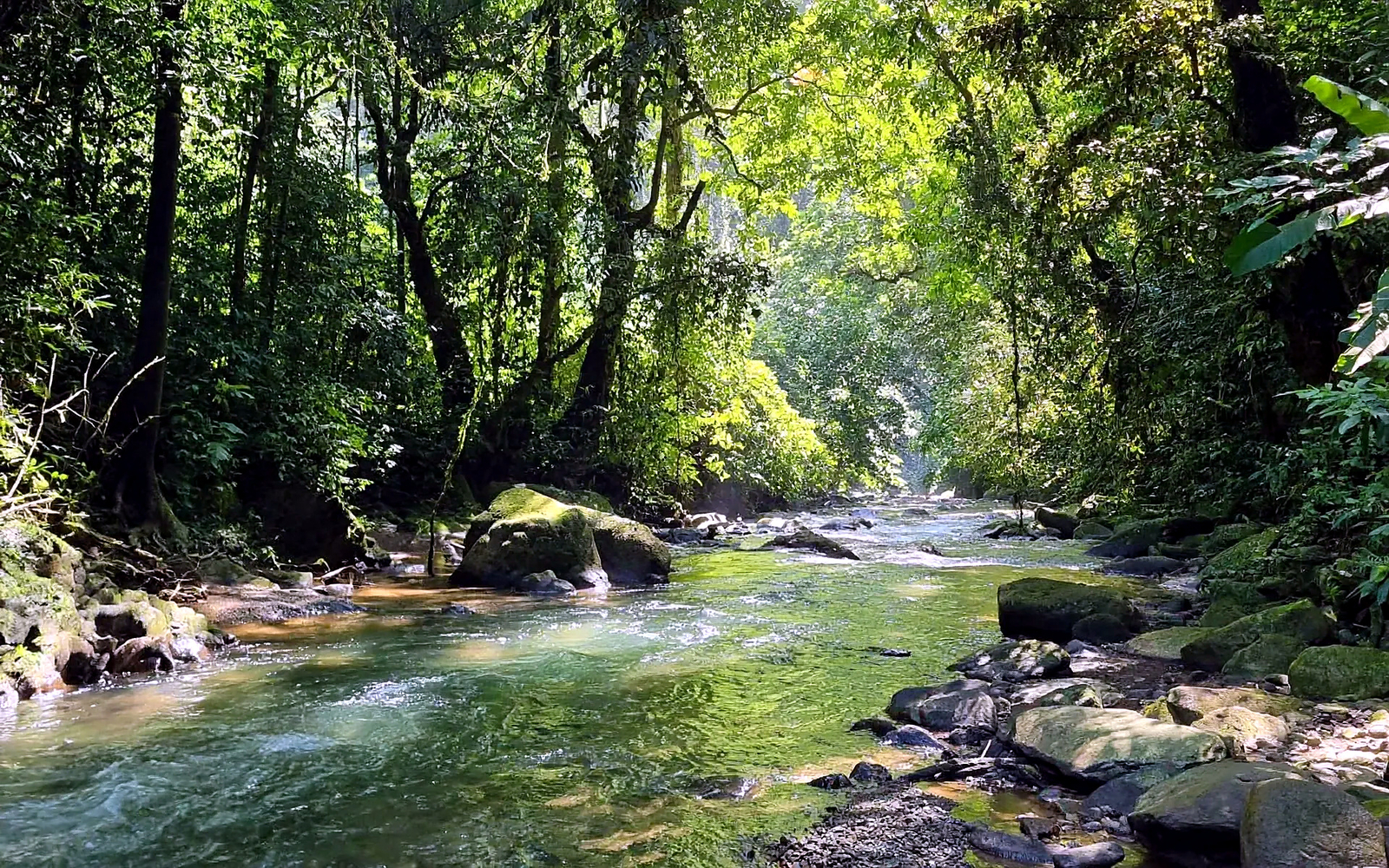
A trek here is not a zoo visit or a guaranteed wildlife show. It is a journey through living rainforest with local guides who understand its wildlife, trails, seasons and communities.
Quality over spectacle
What Makes the Best Orangutan Trek?
The right trek matches your fitness, time and comfort while respecting wildlife from beginning to end.
The best trek is not necessarily the longest, steepest or cheapest. A responsible guide will never call, touch, feed or crowd an orangutan simply to create a closer photograph.
Orangutans need space to move, feed, rest and care for their young without pressure from visitors. Guides should determine the viewing position, keep groups calm and move away when an animal needs space.
Wildlife sightings cannot be promised. Seeing an orangutan moving naturally through the canopy is meaningful because the encounter happens on the forest's terms.
Local knowledge is equally important. Experienced local guides can read trail conditions, identify wildlife behavior and adapt routes when rain, river levels or forest conditions change.
Gateway to the rainforest
Why Bukit Lawang Stands Out
Bukit Lawang offers practical access to Gunung Leuser National Park while still giving travelers the feeling of entering a genuine tropical rainforest.
Travelers can arrive from Medan, stay close to the Bohorok River and choose a trek that either fits into a wider Sumatra itinerary or becomes the main adventure of the journey.
The forest is home to far more than orangutans. Depending on route, season and luck, visitors may encounter many other rainforest species.
Thomas's Leaf Monkeys
Long-tailed Macaques
Pig-tailed Macaques
Gibbons
Hornbills
Giant Squirrels
A good trek remains interesting even between wildlife sightings. Guides can help visitors understand rainforest plants, trees, tracks, sounds and the relationships that make the forest function.
Find your pace
Choose Your Trek Duration
A longer trek is not automatically a better trek. Choose the experience that matches your fitness, time and preferred level of comfort.
Around Three Hours
A strong choice for families, first-time trekkers or travelers with limited time who still want a meaningful introduction to rainforest ecology and wildlife.
Full-Day Trek
More time allows guides to reach quieter areas and lets active travelers settle into the rhythm of the rainforest while still returning to village accommodation at night.
Explore Full-Day Trek →Multi-Day Trek
Walk farther, sleep in simple forest camps, enjoy freshly prepared meals and wake to the sounds of the rainforest. These routes require more stamina and flexibility.
Explore Overnight Trek →
Wildlife comes first
Ethical Wildlife Rules Every Visitor Should Follow
Responsible trekking begins before you step onto the trail and continues through every wildlife encounter.
Tell your guide if you have symptoms such as cough, fever or stomach illness and postpone the trek when necessary.
Follow your guide's viewing instructions and use a zoom rather than moving closer for a photograph.
Feeding changes natural behavior, encourages dependency and can create health risks for wildlife.
Keep voices low, follow your guide and respect animals that choose to move away from the group.
Prepare for real rainforest
What to Expect on the Trail
Sumatran jungle trekking is active rather than polished. Trails may be slippery after rain, hills can feel more demanding in high humidity and muddy descents require concentration.
Wear closed-toe footwear with good grip, lightweight long pants and a breathable shirt. Pack only what you need so your daypack does not make climbs or descents unnecessarily difficult.
✓
Reusable water bottle
✓
Rain protection
✓
Sunscreen
✓
Insect repellent
✓
Personal first-aid kit
✓
Essential medication
Leeches can occur in wet conditions. Long socks and sensible preparation can make the experience easier.
✓
Choose a Route That Fits You
You do not need to be an elite athlete for a standard trek, but honesty about mobility matters. Tell your operator about knee concerns, medical conditions, dietary requirements, children's ages or worries about steep terrain before booking so the route can better match your group.
Explore beyond the jungle
Build a Better Sumatra Adventure
Orangutan trekking can become the highlight of a wider journey through North Sumatra.
Bukit Lawang
Jungle trekking, wildlife, rivers, local village life, rafting, caves and rainforest experiences.
Berastagi
Add cooler mountain scenery and a different side of North Sumatra to your itinerary.
Lake Toba
Combine rainforest adventure with volcanic landscapes and Batak culture.
Explore Lake Toba →
Travel at your own pace
Give Your Journey Room to Breathe
Road journeys in Sumatra can take longer than map estimates, and tropical weather deserves respect. Arriving in Bukit Lawang the day before your trek gives you time to rest, meet your guide and begin the rainforest experience with more energy.
Choose an itinerary built around your own pace and a guide team rooted in the place you are visiting. Bukit Lawang Travel can help families, couples and experienced hikers choose an ethical trekking format that respects both the rainforest and the people who call it home.
Responsible jungle adventure
Explore the Rainforest on Its Terms
Find an orangutan trekking experience that matches your fitness, travel schedule and preferred level of adventure while keeping wildlife welfare at the heart of the journey.
Explore Orangutan Trekking →