Info@bukitlawangtravel.com

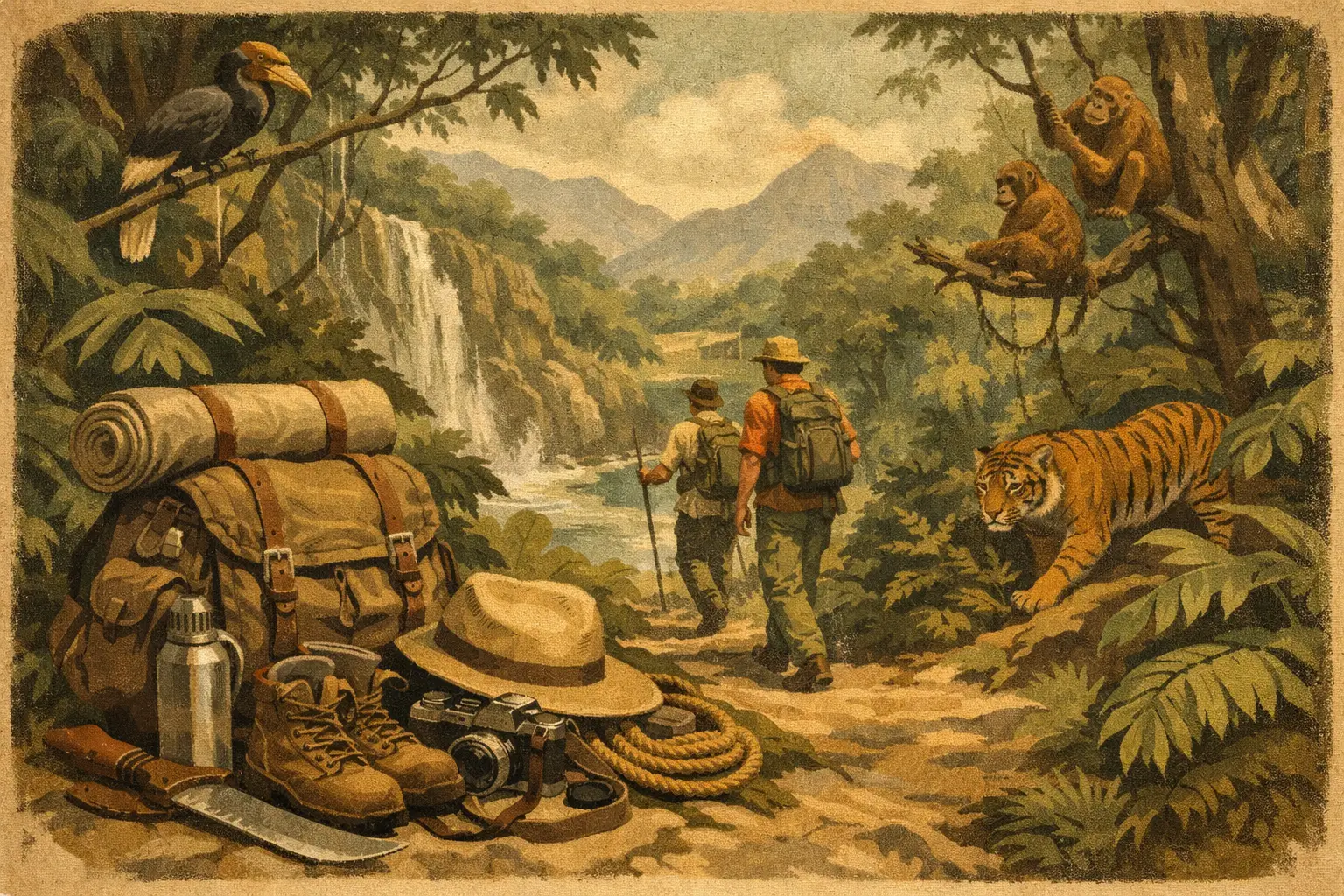
What to Pack for Jungle Trekking in Sumatra
Wondering what to pack for jungle trekking in Sumatra? This practical guide covers rain, heat, ethical wildlife viewing, and multi-day comfort for all.

Bukit Lawang Jungle Preparation Guide
What to pack for jungle trekking
Prepare for rain, humidity, muddy trails and responsible wildlife encounters without carrying more than you need.
Packing Essentials
Everything important at a glance
01
Pack light
Carry only what your trek requires
02
Stay dry
Protect clothing, medicine and electronics
03
Use good footwear
Grip matters on roots, slopes and mud
04
Respect the forest
Reusable items and ethical wildlife habits
Prepare for changing conditions
Pack for the rainforest you will experience
A sunny trail can become slick after a short downpour, while humidity can turn a cotton shirt heavy within minutes.
Knowing what to pack for jungle trekking means preparing for those changes without carrying so much that your bag becomes the hardest part of the adventure.
In and around Gunung Leuser National Park, thoughtful packing helps protect you, the wildlife and the forest itself. Your certified local guide will handle navigation, safety decisions and trek-specific arrangements. Your job is to arrive comfortable, hydrated and ready to follow responsible wildlife guidelines.
01
Start with your itinerary
Choose the right amount of gear
Your bag should match the trek you booked
A three-hour trek near Bukit Lawang requires a very different bag from a three-day expedition. For a short guided walk, carry only what you need for rain, water, sun protection and personal comfort.
For an overnight or multi-day jungle trek, plan for spare clothing, additional hygiene supplies and dry storage for important items. Ask your operator what is included before traveling so you do not carry duplicate camping gear.
3H
Short trek
Small daypack, water, rain protection, sunscreen, insect repellent and personal medication.
1D
Full-day trek
Add more water capacity, a dry change if needed, a small towel and reliable waterproof storage.
2D+
Overnight expedition
Add dry sleeping clothes, headlamp, hygiene items and only the personal equipment not already provided.
Clothing & footwear
Light, quick-drying and ready for mud
Comfort and grip matter more than fashion or heavy outdoor gear.
Long, lightweight layers protect your skin from branches, insects, sun and rough vegetation. Synthetic or merino fabrics dry faster than cotton after rain or sweat.
Pack one outfit you do not mind getting muddy and one dry set for after the trek or sleeping. A compact reusable rain jacket or poncho belongs in every bag.
Lightweight trousers and a breathable long-sleeve shirt offer useful protection without excessive heat.
Choose shoes with strong grip that you have already worn on wet, uneven ground. Do not start with brand-new boots.
Moisture-wicking socks and one sealed spare pair can make a long, humid trekking day much more comfortable.
Sandals can be useful around camp or accommodation, but they do not replace secure trekking footwear.
Essential daypack checklist
Carry what protects your comfort and safety
Keep your pack compact enough to move comfortably through narrow forest trails and use waterproof storage inside it.
- A refillable water bottle or hydration bladder with enough capacity
- A lightweight rain jacket or durable reusable poncho
- Sunscreen, sunglasses and a cap or hat
- Insect repellent applied before entering the forest
- Personal medication, allergy medicine or inhaler
- Hand sanitizer, tissues and toilet paper in a sealed bag
- Phone or camera, power bank and waterproof protection
- A small snack in reusable packaging when not included
Your guide may carry a general first-aid kit, but you must bring your
personal prescriptions and individual medical items. Tell the team
about any
medical condition, dietary requirement or injury
before trekking.
Practical comfort
Pack for the experience, not the perfect photo
Leave valuables at your accommodation and protect only the essentials you genuinely need on the trail.
01
Microfiber towel
Useful for sweat, rain, camp or a river stop without taking much space in your pack.
02
Headlamp
More reliable than a phone flashlight for overnight camping or darker forest conditions.
03
Waterproof pouch
Store cash, documents, medicine, insurance details and electronics safely away from rain and humidity.
If you wear glasses, consider a retainer strap. Contact lens users should carry backup glasses because sweat, humidity and trail debris can cause irritation.
A simple phone with a secure wrist strap is enough for many travelers. Bring a large camera only when you are comfortable carrying it over steep ground and putting it away quickly when rain begins.
Responsible wildlife trekking
Pack habits that protect the forest
Listen to your guide and be prepared to change position or leave when an animal’s welfare requires it.
- Never bring food with the intention of attracting wildlife.
- Keep snacks packed away and never feed animals.
- Carry all fruit peels, tissues and wrappers out of the forest.
- Avoid strongly scented perfume and unnecessary sprays.
- Use refillable water bottles and reusable toiletries.
- Bring a small sealed bag for your personal rubbish.
Read more about
responsible orangutan encounters in Bukit Lawang
.
What to leave behind
×
Heavy luggage
×
Drones and speakers
×
Disposable plastic
×
Excess valuables
×
Unnecessary camping gear
×
Unbroken-in footwear
Less weight creates a better jungle experience
Heavy, noisy or disposable items add little value and can create unnecessary pressure on the forest.
Leave suitcases and nonessential clothing securely at your accommodation.
They can disturb wildlife, interrupt natural sounds and may not be permitted in protected areas.
Choose reusable water bottles, durable rainwear and refillable personal products.
Jewelry, expensive watches and unnecessary electronics create risk without improving the trek.
Confirm what the local trekking team already provides before bringing bulky equipment.
New shoes can cause blisters and discomfort on humid, uneven jungle trails.
Pack with purpose, then leave room for the experience itself. Dry
layers, secure footwear, water and a respectful mindset allow you to
focus on one of Sumatra’s great living forests.
Prepare with local advice
Not sure what your chosen trek includes?
Tell us your trek duration, travel dates and personal needs. Our Bukit Lawang team will help you pack appropriately without carrying unnecessary equipment.
[…] practical side of the day. Closed-toe hiking shoes, lightweight long clothing, drinking water, and rain protection are useful in Sumatra's humid […]