Info@bukitlawangtravel.com

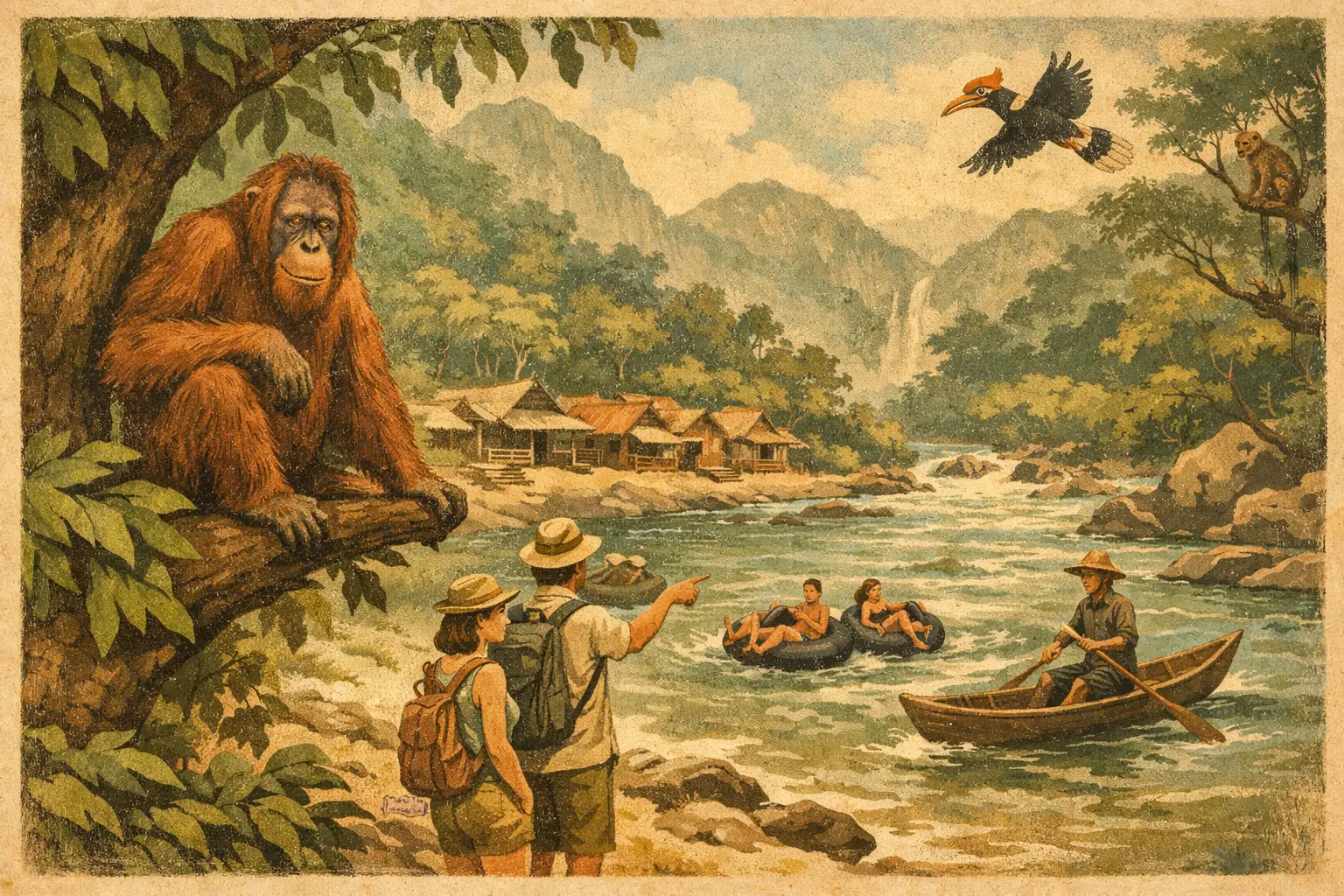
Is Bukit Lawang Safe for Tourists? What to Know
Is Bukit Lawang safe for tourists? Get practical advice on guides, wildlife, transport, health, and respectful travel in Sumatra's rainforest village.
Bukit Lawang is where the road ends, the Bohorok River rushes past village cafés, and one of the world’s most important orangutan habitats begins. So, is Bukit Lawang safe for tourists? For most well-prepared travelers, yes. It is a welcoming, tourism-experienced village with a close local community, but it is also a real rainforest destination. Your safety depends less on avoiding the place and more on making thoughtful choices about guides, transport, weather, health, and wildlife behavior.
The good news is that Bukit Lawang is not an extreme expedition destination reserved for expert hikers. Families, first-time jungle trekkers, solo travelers, and experienced outdoor travelers visit every year. The essential point is to treat the jungle with respect and travel with local people who know its conditions.
Is Bukit Lawang Safe for Tourists in the Jungle?
The biggest risks in Bukit Lawang are usually practical rather than criminal: slippery trails, sudden rain, heat, river conditions, insects, and poor decisions around wildlife. A guided trek greatly reduces these risks. Certified local guides read changing trail conditions, choose suitable routes, carry basic safety supplies, and know how to respond if the weather shifts or a guest is struggling.
Do not enter Gunung Leuser National Park alone. The rainforest can feel accessible near the village, but trails quickly become steep, humid, and disorienting. Mobile reception may be limited, paths can become muddy after rain, and a short walk can turn into a difficult return if you do not know the area. A guide is not simply there to find orangutans. They are there to pace the group, protect the forest, and help everyone return safely.
Choose a trek that matches your fitness and comfort level. A three-hour or half-day walk is a sensible introduction for families and travelers unsure about jungle hiking. Overnight and multi-day treks bring deeper immersion, but they also require comfort with uneven terrain, basic camp conditions, humidity, and longer days outdoors. There is no prize for booking a longer trek than you will enjoy.
Weather and trail conditions
Bukit Lawang’s tropical climate means rain is possible at any time of year. Heavy rain can make roots, clay slopes, and stream crossings slippery. Wear shoes with reliable grip, not smooth-soled sneakers or flip-flops, and bring a lightweight rain layer. Your guide may alter the route, slow the pace, or cancel a river activity if conditions are unsafe. That is good judgment, not a disappointing service.
The river deserves particular respect. It is beautiful and central to village life, but water levels and currents can change quickly after rain upstream. Only swim, tube, or raft with experienced local operators who assess conditions on the day. Never assume a calm-looking section is safe, and always follow instructions about life jackets and where to enter or exit the water.
Wildlife Safety Means Giving Wildlife Space
Seeing orangutans in their forest home is powerful precisely because the encounter is not staged. Wild animals choose where they go, when they feed, and whether they remain nearby. Ethical trekking puts their welfare ahead of getting a closer photo.
Keep a respectful distance from orangutans and other wildlife, follow your guide’s positioning instructions, and never touch, feed, call to, or block an animal. Orangutans are strong wild primates. They can become defensive if they feel crowded, especially a mother with a young baby. Food can also attract attention from macaques, which are clever, quick, and far more interested in an unattended snack than in a polite travel itinerary.
Keep food packed away, avoid carrying loose plastic bags, and do not eat near wildlife. If an animal approaches, stay calm and let your guide manage the situation. Do not run, shout, or try to create a dramatic moment for a video.
Responsible distance also protects orangutans from human illness. Respiratory infections can be dangerous for great apes. If you feel unwell, tell your operator before your trek. A reputable guide will help you make the responsible call, even if that means postponing your jungle visit.
What ethical guides do differently
A safe, responsible guide does more than lead the way. They limit group behavior around wildlife, avoid feeding or baiting animals, discourage flash photography, and keep guests on appropriate routes. They also explain why certain moments require patience rather than pursuit.
Be cautious of any experience promising guaranteed close contact, selfies with orangutans, or opportunities to feed wildlife. Those activities may seem exciting in the moment, but they create stress and unhealthy dependence for animals. The best encounter is one where the orangutan remains free to move away.
Village Safety, Money, and Personal Belongings
Bukit Lawang is generally relaxed and hospitable, with many guesthouses, small restaurants, drivers, guides, and shop owners whose livelihoods are connected to visitors. As anywhere, use ordinary travel awareness. Keep your passport, extra cash, and valuables secured at your accommodation, do not leave phones or bags unattended by the river, and carry only what you need during a trek.
Bring some Indonesian rupiah for small purchases, tips, and places that may not accept cards. ATMs and card services can be less dependable than in Medan, so it is wise to organize cash before arriving or ask your accommodation about current options. Do not display large amounts of money, especially when moving between transport hubs.
For solo travelers, Bukit Lawang can be a friendly place to visit because activities are typically organized around guides, accommodations, and shared meeting points. Still, use the same instincts you would in any unfamiliar destination: let someone know your plans, confirm pickup details, avoid isolated walks after dark, and trust your judgment if a situation feels uncomfortable.
Getting to Bukit Lawang Safely
The journey from Medan is often the least glamorous part of a Bukit Lawang adventure. Traffic can be busy, road conditions vary, and travel times can change with weather and congestion. Pre-arranged private transport is often the easiest option for travelers who want a clear pickup plan, a vetted driver, and less uncertainty after a flight.
If you use public transportation, travel during daylight where possible, keep your luggage close, and leave extra time in your schedule. Avoid trying to coordinate a late-night arrival after a long international journey. Reaching the village rested, with a confirmed place to stay, makes the first day much more enjoyable.
If you are continuing to Lake Toba, Berastagi, or another part of Sumatra, ask locally about current route conditions rather than relying only on old travel posts. Seasonal weather, roadwork, and local events can affect timing.
Health Preparation for a Comfortable Trek
Bukit Lawang is hot, humid, and physical. Dehydration and exhaustion are more common problems than dramatic jungle emergencies. Start drinking water before your trek, bring enough for the day, eat a decent breakfast, and tell your guide if you have asthma, allergies, injuries, dietary needs, or concerns about your fitness.
Pack insect repellent, sunscreen for time outside the forest canopy, a small personal first-aid kit, any prescription medication, and lightweight long sleeves or pants if you prefer protection from insects and plants. Leeches are part of rainforest life, especially after rain. They are unpleasant for some travelers but are usually harmless. Your guide can show you how to remove one calmly and clean the small bite afterward.
Travelers should also speak with a qualified medical professional before international travel about routine vaccines, destination-specific health advice, and any medications that may be appropriate for their personal itinerary. Health guidance can change, and your own medical history matters.
Travel insurance with medical coverage and evacuation support is a sensible choice for any remote nature trip. Check that your policy covers trekking at the altitude and duration you plan to do, as some policies have exclusions for adventure activities.
How to Choose a Safer Bukit Lawang Trek
Ask direct questions before booking. A trustworthy operator should clearly explain trek duration, fitness expectations, group size, meals and water, equipment, guide qualifications, wildlife rules, and what happens in bad weather. Clear answers are a good sign. Vague promises of an easy trek for everyone or guaranteed animal encounters are not.
Look for locally based guides and operators that treat conservation as a daily practice, not a marketing phrase. When visitor spending supports trained local guides, village accommodations, cooks, drivers, and community activities, tourism has a stronger reason to protect the forest that makes Bukit Lawang special.
For families, communicate children’s ages, hiking experience, and swimming ability ahead of time. For multi-day trekkers, be honest about injuries or concerns with heat, sleeping outdoors, or steep descents. The right itinerary is the one that allows you to enjoy the forest without pushing beyond your limits.
Bukit Lawang is safe for travelers who come ready to listen: to the weather, to the forest, and to the local guides who call this place home. Choose a pace that suits you, give wildlife the space it deserves, and let the rainforest be wild. That is how an adventure here becomes not only memorable, but meaningful.