Info@bukitlawangtravel.com

Bukit Lawang Orangutan Trekking: Choose Wisely
Orangutan trekking in Bukit Lawang is unforgettable. Learn how an ethical operator protects wildlife, supports guides, and protects the rainforest each day.

Responsible Wildlife Travel
Bukit Lawang · North Sumatra
Orangutan Trekking in Bukit Lawang: Why Choosing the Right Operator Matters
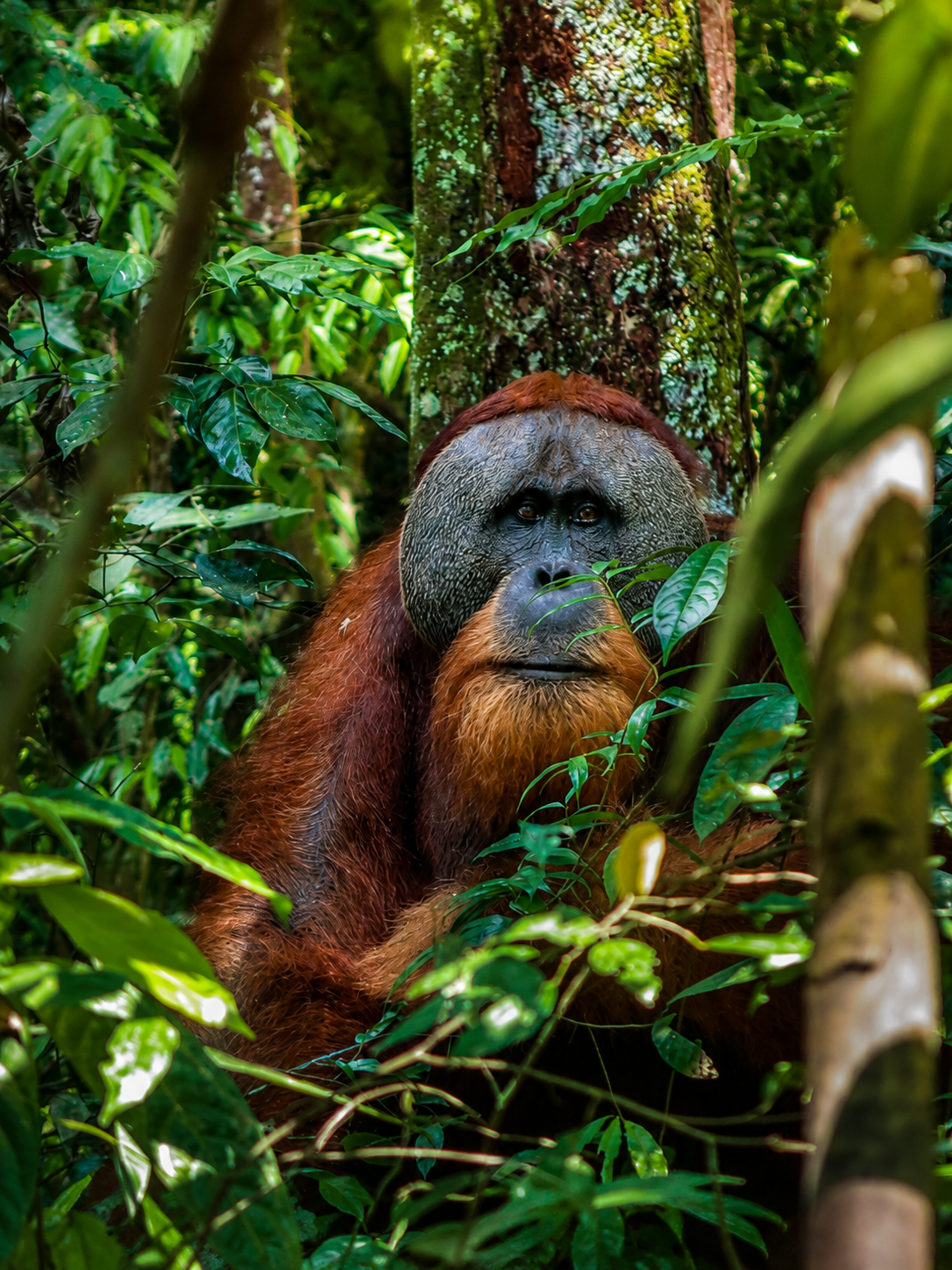
A close orangutan encounter may make a powerful photo, but it can come at a cost to the animal. Choosing your trekking operator is therefore about much more than price or itinerary — it determines how your visit affects endangered wildlife and the rainforest it depends on.
A trek in Gunung Leuser National Park can be one of the most memorable experiences in Southeast Asia. The rainforest is alive with movement and sound: hornbills crossing above the canopy, Thomas's leaf monkeys leaping through the trees, insects calling from the undergrowth, and, if conditions allow, a Sumatran orangutan moving quietly through the branches.
That privilege deserves care. Responsible trekking is not about making wildlife more accessible. It is about experiencing the forest while allowing wild animals to remain wild.
01
The place
Why Bukit Lawang Is So Special
Bukit Lawang sits at the edge of Gunung Leuser National Park, part of the Tropical Rainforest Heritage of Sumatra. This is one of the rare places where travelers can observe Sumatran orangutans in the forest habitat they depend on.
The setting also carries real urgency. Sumatran orangutans are Critically Endangered, with fewer than 14,000 believed to remain in the wild. Habitat loss, fragmentation, illegal wildlife trade, and disturbance from people all put pressure on a species that reproduces slowly and needs large, connected areas of healthy forest.
Orangutans are also closely related to us, which creates a less obvious risk. Human respiratory illnesses can be dangerous for them. A cough, cold, or flu that seems minor to a visitor may have serious consequences for an animal with no immunity to it.
“
Responsible trekking is not about making wildlife feel accessible.
It is about giving wildlife space.
Respecting distance is part of the experience, not something that takes away from it.
02
Responsible encounters
What Ethical Orangutan Trekking Looks Like
Ethical trekking starts with one clear rule: wildlife welfare comes before a guest's photo, itinerary, or expectation of seeing a particular animal. Nature does not guarantee sightings, and a trustworthy operator will say so honestly.
A responsible guide does not use food, calls, or deliberate approaches to create an encounter. They read the forest, notice signs of wildlife, and help guests observe without crowding or interrupting what is already happening.
If an orangutan changes direction, rests, feeds, or moves away, the group respects that choice.
✓
Keep appropriate distance
Observe without deliberately approaching or surrounding wildlife.
✓
Never feed wildlife
Food must never be used to attract or control an orangutan.
✓
Remain calm and quiet
A well-managed group avoids unnecessary noise and pressure.
✓
Leave no waste
Food scraps, packaging and other rubbish should leave the forest with you.
This approach can feel different from staged wildlife experiences. You may not get a close, front-facing photograph. You may spend time quietly watching an orangutan high in the canopy rather than standing beside it on the trail.
That distance is part of what makes the moment meaningful: you are seeing a wild animal on its own terms.
Guides should also discourage guests from eating near wildlife, since food smells and scraps can teach animals to associate people with an easy meal.
03
Understand the impact
Why Feeding and Close Contact Cause Harm
Feeding wildlife can look harmless in the moment, especially when an animal appears curious or approaches confidently. Over time, however, it can alter natural feeding patterns and make animals more likely to seek people out.
That creates stress, conflict, and a greater chance of disease transmission.
Close contact brings its own risks. Orangutans are strong, intelligent, and unpredictable wild animals, even when they appear calm. More importantly, forcing proximity can disrupt feeding, resting, maternal care, or travel through the forest.
A guide's job is not to make an orangutan come closer. It is to manage the group so the animal has a clear, safe path to move as it wishes.
!
Familiarity with humans does not make an orangutan a pet, performer,
or safe subject for contact.
The same respectful standards should apply whether an orangutan is fully wild or more accustomed to human presence because of the area's conservation history.
04
Before you book
Choosing the Right Operator for a Bukit Lawang Trek
Before booking, look beyond trek length, price, and photo galleries. Ask how the company handles wildlife encounters in practice. A responsible answer will be specific, not a vague claim that a tour is "eco-friendly."
Questions worth asking before you book
A professional trekking company should be comfortable answering these clearly.
✓
Are the guides trained and certified?
✓
Is wildlife feeding completely prohibited?
✓
How is food waste managed in the forest?
✓
What happens if an orangutan approaches the trail?
✓
How large are trekking groups?
✓
Are national park rules clearly explained to guests?
Small groups are generally easier to manage quietly and create less pressure around an animal sighting.
Warning signs to take seriously
×
Guaranteed close encounters
×
Hand-feeding wildlife
×
Selfies beside orangutans
×
Posed wildlife photographs
A good operator will be enthusiastic about the forest while being clear that sightings are never something to manufacture.
Price matters, but the cheapest trek is not always the best value. Proper guiding, fair local employment, equipment, waste management, safety procedures, and responsible group practices all require care and investment.
The right choice supports a better visit for you and a healthier long-term future for the park.
05
Beyond orangutans
What an Authentic Jungle Trek Can Include
A well-guided trek is about much more than checking orangutans off a list. The forest rewards travelers who slow down enough to notice it.
Thomas's Leaf Monkeys
Long-Tailed Macaques
Pig-Tailed Macaques
Monitor Lizards
Hornbills
Tropical Birds
Butterflies
Rainforest Insects
Depending on the route, season, weather, and a little luck, you may encounter many species, including great hornbills and other remarkable rainforest wildlife.
Each trek is different. Heavy rain can change trail conditions . Fruit availability can affect where orangutans feed.
A three-hour walk may be an ideal introduction for a family or first-time trekker, while a multiday expedition offers more time to experience the rhythm of the rainforest. Neither option is automatically more ethical.
The key is choosing a duration that suits your fitness, comfort level, and interest while traveling with guides who put the forest first.
Your guide should also help you prepare for the practical side of the day. Closed-toe hiking shoes, lightweight long clothing, drinking water, and rain protection are useful in Sumatra's humid conditions.
Bring only what you need, secure your belongings, and avoid carrying snacks in open bags when wildlife is nearby.
06
Shared responsibility
Your Role as a Responsible Guest
A guide can set the standard, but guests have an equally important role. Listen carefully during the safety and wildlife briefing. Keep your voice low, stay with your group, and follow instructions immediately if an animal is near the trail.
01
Listen
Follow your guide's safety and wildlife instructions throughout the trek.
02
Protect health
Tell your operator if you have a cough, fever or respiratory symptoms.
03
Photograph responsibly
Use zoom rather than moving closer and never block an animal's path.
04
Leave no trace
Secure rubbish and carry everything you bring into the rainforest back out.
If you are feeling unwell, especially with a cough, fever, or other respiratory symptoms, tell your operator before the trek. Postponing or changing plans can be disappointing, but protecting orangutans from illness is more important than one day in the jungle.
Photography deserves the same mindset. Use a zoom lens rather than stepping closer. Do not block an animal's path for a better angle, use flash, or ask a guide to draw wildlife toward you.
The best photo is never worth changing an animal's behavior.
Finally, leave no trace. Carry reusable water where possible, keep rubbish secured, and take everything back out with you.
A rainforest trek should leave you with muddy boots, strong memories, and no waste behind.
Forest · Wildlife · Community
Travel That Supports the Forest and Its People
Responsible tourism should benefit the communities that welcome visitors as well as the wildlife that makes the journey extraordinary. Choosing local guides creates skilled employment tied to protecting the rainforest rather than exploiting it.
Visitor spending can also support local drivers, accommodations, food providers, and community-based activities in and around Bukit Lawang.
That local knowledge matters on the trail. Experienced guides understand changing conditions, wildlife behavior, and the cultural relationship between the village and the forest. They can turn a trek into a richer experience without turning the jungle into an attraction built around animal access.
At Bukit Lawang Travel, our family-run team believes an unforgettable adventure should also be a responsible one. We work with certified local guides, keep wildlife respect at the center of every trek, and welcome guests into a rainforest experience shaped by care for both nature and community.
When you choose an operator that protects distance, respects uncertainty, and values local stewardship, your visit becomes part of the right kind of story: one where orangutans remain wild, the forest remains worth protecting, and future travelers can still look up into the canopy with the same sense of wonder.