Info@bukitlawangtravel.com

Sumatra Tropical Rainforest Tour: Indonesia’s Best Park
Plan a responsible Sumatra nature tour in Gunung Leuser National Park, with ethical orangutan encounters, local guides, and practical trek advice, too.

A tropical rainforest is not just a beautiful backdrop for a photo. In Sumatra, it is a living home for critically important wildlife, forest-edge communities, and some of Indonesia’s most memorable adventures. If you are searching for “Tropical Rainforest Sumatra, Sumatra Nature Tour and Best National Park in Indonesia,” Gunung Leuser National Park deserves to be at the center of your plans.
For travelers who want more than a quick wildlife sighting, this is a place to slow down, listen closely, and travel with care. The jungle can be hot, muddy, loud with cicadas, and wonderfully unpredictable. That is exactly why a well-guided visit matters.
Why Gunung Leuser Is One of Indonesia’s Best National Parks
Gunung Leuser National Park protects a vast stretch of rainforest across northern Sumatra. For many visitors, Bukit Lawang is the most accessible gateway to its forest trails and one of the best places in Indonesia to look for wild and semi-wild orangutans in their natural habitat.
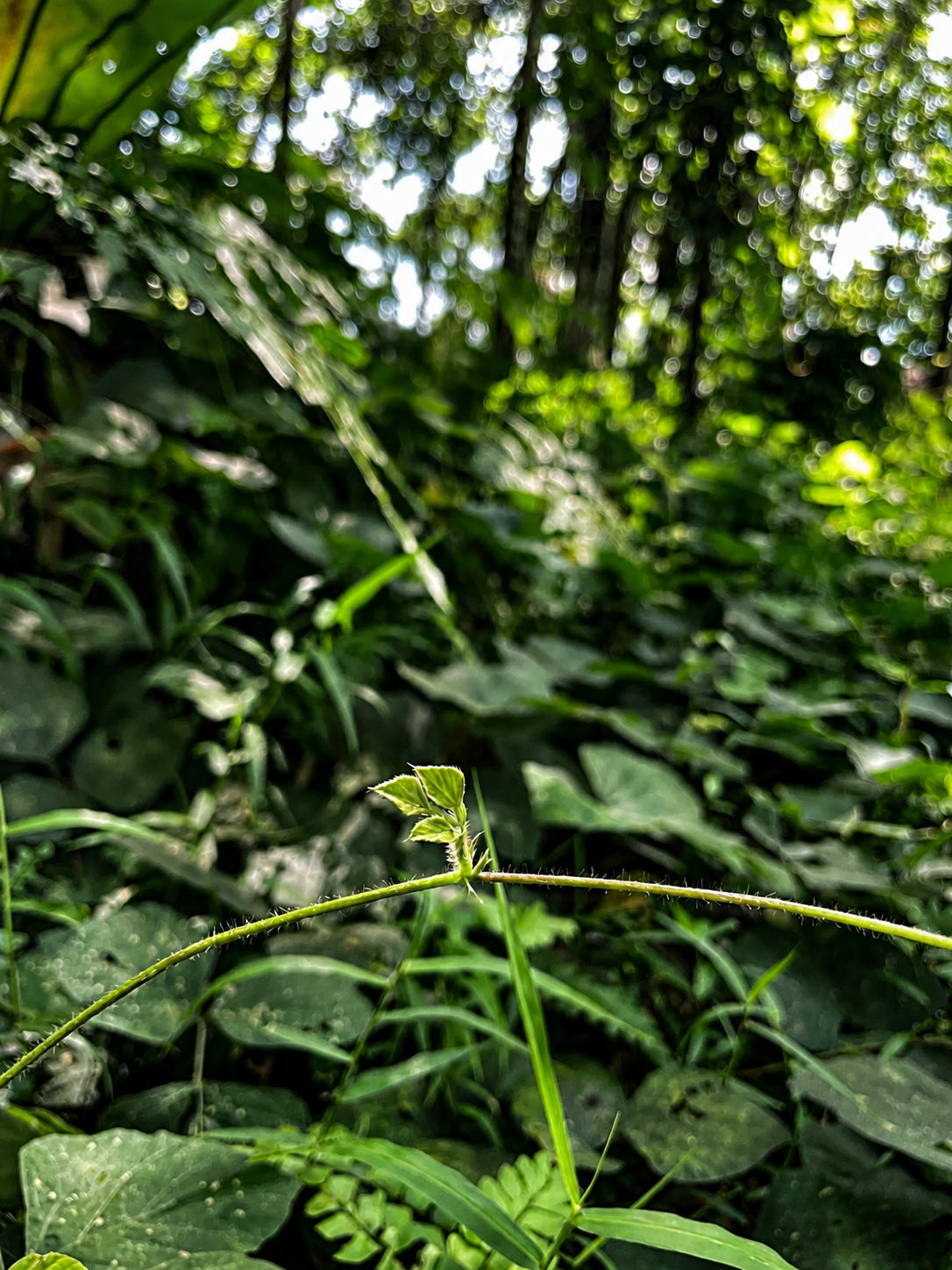
What makes this park special is not only the chance to see an orangutan. It is the full rainforest experience: towering trees, rushing rivers, tangled lianas, hornbill calls overhead, and the feeling that every turn in the trail could reveal something new. Long-tailed macaques, Thomas’s leaf monkeys, monitor lizards, gibbons, and a remarkable variety of insects and birds also live here.
The park is often described as one of Indonesia’s best national parks because it offers both biodiversity and meaningful access. You can choose a short, family-friendly jungle walk or spend several days hiking deeper into the forest. The right option depends on your fitness, available time, and the kind of experience you hope to have.
It is worth keeping expectations realistic. Wild animals do not work to a schedule. An ethical guide will never promise an orangutan encounter or push wildlife closer for a better photo. The reward is seeing the forest on its own terms.
What a Sumatra Nature Tour Can Include
A thoughtful Sumatra nature tour can be built around the rainforest, then expanded into a wider island journey. Many travelers begin in Medan, continue to Bukit Lawang for jungle trekking, and then travel onward to Berastagi or Lake Toba. This creates a trip with very different landscapes: dense lowland forest, cool highland scenery, volcanic terrain, traditional villages, and the calm waters of the world’s largest volcanic lake.
In and around Bukit Lawang, the experience can be as active or relaxed as you choose. A three-hour trek is a good introduction for families, travelers with limited time, or anyone unsure how they will handle jungle conditions. A full-day trek gives you more time on forest trails, while an overnight or multi-day expedition adds jungle camping, river time, and a deeper sense of distance from everyday life.
There are also community-based activities that show another side of the region. Village walks, local cooking experiences, cave visits, rafting, and wildlife-focused excursions can add variety without turning your itinerary into a rushed checklist. These activities are most valuable when they are led by local people and designed to benefit the community hosting you.
Ethical Orangutan Encounters Come First
Seeing an orangutan in Sumatra is a privilege, not an attraction to control. Orangutans are intelligent, long-lived great apes with complex social lives, and human contact can put them at risk. Responsible trekking protects both animals and visitors.
A good guide will keep a respectful distance, ask guests to speak quietly, and adjust the route when wildlife needs space. Do not touch, feed, call to, or block the path of an orangutan. Never use flash photography. If an animal approaches, follow your guide’s instructions and give it room to move away.
This approach may feel less dramatic than staged wildlife tourism, but it is far more meaningful. The best moment is not the closest one. It is the moment you realize you are watching a wild animal behave naturally in a forest that still belongs to it.
Travelers should also be honest about health. Because orangutans can be vulnerable to human respiratory illness, anyone who is sick should not join a trek where close wildlife contact is possible. It can be disappointing to change plans, but protecting the animals must come first.
Choosing the Right Tropical Rainforest Sumatra Trek
There is no single “best” trek for everyone. Your ideal route depends on your comfort with heat, uneven ground, insects, rain, and basic camping conditions.
Short treks work well if your goal is a guided introduction to the forest. You may see wildlife, learn how the ecosystem works, and return to your accommodation with time to enjoy the river and village. Full-day treks suit active travelers who want a longer challenge without sleeping in the jungle.
For people who want to disconnect, a two- to seven-day expedition is a different kind of adventure. You will hike farther, sleep in simple forest camps, eat meals prepared by your guide team, and wake to the sounds of the rainforest. Conditions are basic, and weather can change quickly, but the experience can be unforgettable.
Night treks offer another perspective. Many rainforest animals are more active after dark, and the trail becomes a lesson in patience and observation. This is not about chasing every spider or snake with a flashlight. It is about moving carefully, respecting the forest, and seeing how much life continues after sunset.
When to Visit and What to Expect
Sumatra is tropical year-round, which means warmth and humidity are part of the experience in every season. Rain can fall at any time, even during periods that are generally drier. Trails may be slippery, rivers can rise after heavy rain, and plans sometimes need to change for safety.
For many visitors, the relatively drier months can make trekking more comfortable, but they are also busier. Wet-season travel can mean muddier trails and more leeches, yet the rainforest is especially lush and visitor numbers may be lower. There is no bad season if you arrive prepared and stay flexible.
Bring lightweight clothing that dries quickly, a rain jacket, sturdy shoes with grip, a reusable water bottle, sunscreen, insect repellent, and a small dry bag for electronics. Long socks and long pants can help on the trail, although they will not make you completely immune to mud. Leave unnecessary valuables behind.
Your guides should provide a clear packing list before departure, especially for overnight trips. Ask what is included, where you will sleep, how drinking water is handled, and what happens if weather conditions make a river crossing or planned route unsafe.
Travel That Supports the Forest and Its People
The future of Sumatra’s rainforest is connected to everyday travel choices. Choosing certified local guides, locally owned accommodations, and community-run activities helps direct visitor spending toward people who live beside the park. That creates stronger reasons to protect the forest as a long-term source of livelihoods and pride.
Responsible travel also means reducing waste. Refill your water bottle, avoid single-use plastics where possible, carry out what you bring in, and do not leave food or packaging on the trail. Small actions matter in a place where rubbish can reach rivers and harm wildlife.
At Bukit Lawang Travel, local guiding, wildlife-respectful trekking, and community benefit are part of how we welcome guests into this landscape. A jungle trip should feel adventurous, but it should also leave the forest and the people who call it home better supported.
Plan for the Journey, Not Just the Trek
Bukit Lawang is commonly reached by road from Medan, and travel time can vary with traffic, weather, and road conditions. Build some breathing room into your itinerary rather than booking an onward flight or long transfer immediately after a trek. A relaxed arrival gives you time to settle in, meet your guide, and prepare properly.
Before traveling to Indonesia, check current visa and entry requirements for your nationality. Arrange travel insurance that covers the activities you plan to do, especially trekking and rafting. A local SIM card can be useful for logistics, but do not expect reliable signal once you are deep in the forest.
Most of all, come ready to participate rather than consume. Walk carefully, listen to your guide, accept that nature is unpredictable, and give wildlife the space it needs. That is how a Sumatra rainforest tour becomes more than a holiday memory: it becomes a small, respectful connection to one of the planet’s great remaining forests.