Info@bukitlawangtravel.com

Bukit Lawang North Sumatra Indonesia Travel Guide
Plan a responsible trip to Bukit Lawang, North Sumatra, Indonesia, with practical advice on orangutan trekking, transport, seasons, safety, and stays.

A rainforest trip is more rewarding when it is planned around the forest, not just a photo. Bukit Lawang, North Sumatra, Indonesia, is one of the best-known gateways to the Leuser Ecosystem, a vast tropical landscape where critically endangered Sumatran orangutans still live in the wild. It is also a real riverside village, with local families, small businesses, and guides whose knowledge has been built over generations.
For travelers, the appeal is clear: wake to the sound of the Bohorok River, walk beneath towering trees, and search quietly for orangutans in their natural habitat. But the best visit takes a little preparation. Choosing the right trek length, arriving with realistic expectations, and traveling with wildlife-respectful habits can make your adventure safer, more meaningful, and more beneficial to the community that hosts you.
Why Bukit Lawang Is Worth the Journey
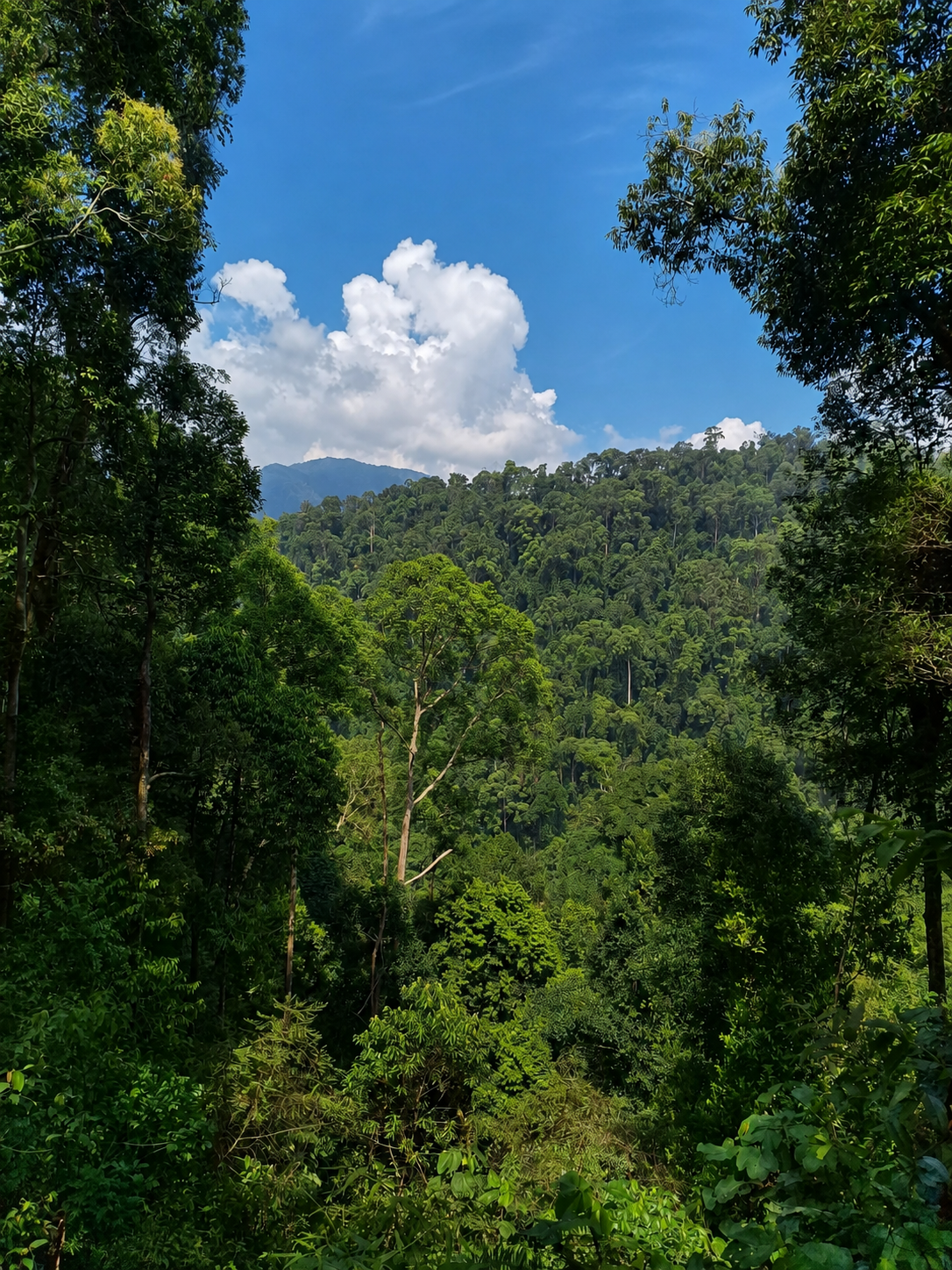
Bukit Lawang sits on the edge of Gunung Leuser National Park in North Sumatra. The village is surrounded by rainforest, and the jungle begins only a short walk from many local guesthouses. That proximity gives visitors a rare chance to experience a living tropical forest without turning the trip into a highly staged attraction.
The star of the forest is, of course, the Sumatran orangutan. Seeing one move through the canopy, pause on a branch, or build a nest high above the trail is unforgettable. Yet orangutans are not the only reason to look up and slow down. The forest is home to Thomas leaf monkeys, long-tailed macaques, hornbills, monitor lizards, colorful insects, and an extraordinary variety of plants.
This is not a zoo, and wildlife sightings are never guaranteed. Some days offer close but respectful views of orangutans; other days bring more distant movement in the trees. A good guide helps guests understand that uncertainty is part of the privilege. The jungle is not performing for us.
Choose an Orangutan Trek That Fits Your Trip
There is no single right way to experience the rainforest. Your ideal trek depends on your time, fitness, comfort level, and how deeply you want to travel into the forest.
A three-hour or half-day walk is a good choice for families with older children, travelers short on time, or anyone who wants a gentle introduction to jungle trekking. Trails can still be muddy, humid, and uneven, but the pace is more manageable and you can return to the village the same day.
A full-day trek provides more time to move beyond the busiest areas and absorb the rhythm of the forest. It suits active travelers who are comfortable walking on natural trails, climbing short slopes, and being outdoors in heat and humidity for several hours.
For many visitors, an overnight or multi-day expedition is the most memorable option. Sleeping in a simple jungle camp, sharing meals by the river, and waking before the forest fully stirs creates a different connection to the landscape. These trips require more flexibility than a day walk. You may encounter rain, leeches, steep ground, and limited facilities, but that is part of the experience rather than a failure of it.
The longest expeditions are best for experienced outdoor travelers or guests who want a serious rainforest adventure. Do not choose a seven-day trek simply because it sounds impressive. Choose it if you enjoy physical travel, can adapt to basic conditions, and want time for the small details that shorter visits often miss.
Responsible Orangutan Encounters in Bukit Lawang
Ethical trekking is not a marketing extra. It protects wildlife, reduces risk for visitors, and helps keep Bukit Lawang a place where responsible tourism can support conservation.
Orangutans are highly intelligent, powerful wild animals. They can also be vulnerable to human illness. Visitors should never touch, feed, call to, or crowd an orangutan. Keep a respectful distance, follow your guide’s instructions, and step back promptly if an animal changes direction or comes closer than expected. If you are sick, especially with a cough, fever, or stomach illness, postponing a trek is the responsible choice.
Food must be handled carefully. Do not leave snacks visible, and do not eat near wildlife. Macaques can be bold around food, and encouraging them creates problems for animals and people alike. Your guide may ask the group to move calmly or put food away. This is normal forest management, not an inconvenience.
A certified local guide also adds far more than navigation. They read weather patterns, recognize animal behavior, identify plants, select safer routes, and make decisions based on conditions that change throughout the day. Small groups, a quiet approach, and guides who put wildlife first create better encounters than chasing a guaranteed close-up.
Getting to Bukit Lawang From Medan
Most international visitors arrive through Medan, North Sumatra’s main transportation hub. From Medan or Kuala Namu International Airport, the road journey to Bukit Lawang usually takes around three and a half to five hours, depending on traffic, weather, and your starting point.
A pre-arranged private transfer is often the simplest option after a long flight. It offers direct pickup, room for luggage, and a more relaxed arrival at your accommodation. Shared transport and public bus options can cost less, but they take more patience and may not suit travelers carrying large backpacks, arriving late, or traveling with children.
Give yourself a buffer before any onward flight. Road conditions and traffic can be unpredictable, particularly after heavy rain or during busy holiday periods. If your schedule allows, spend your first evening in the village, sleep well, and begin your trek the following morning instead of rushing straight into the jungle.
Before departure, check Indonesia’s current visa and entry requirements through official sources for your nationality. Bring some Indonesian rupiah for small purchases, tips, snacks, and village activities. Card acceptance is improving but should not be assumed. A local SIM or eSIM is useful in Medan and the village, although mobile coverage can weaken or disappear once you are deep in the forest.
When to Visit North Sumatra’s Rainforest
Bukit Lawang is a year-round destination because the rainforest is green, humid, and alive in every season. There is no month that guarantees perfect weather. Rain is possible at any time, and a sunny morning can become a wet afternoon quickly.
Drier stretches often make trails more comfortable and river conditions easier to manage, while wetter periods can mean muddier paths, stronger river flow, and a more intense rainforest atmosphere. Rain should not automatically discourage you. It can cool the air, bring out frogs and insects, and make the jungle feel wonderfully alive. It does mean you need the right expectations and equipment.
If your trip has fixed dates, plan around those dates rather than overthinking the forecast months in advance. A capable guide adjusts the route and pace to conditions. The better question is whether you are prepared to get muddy and accept that nature sets the schedule.
What to Pack for the Jungle
Pack light, but do not arrive unprepared. Quick-drying clothes are more useful than heavy cotton, and a long-sleeve shirt can help protect against sun, branches, and insects. Wear sturdy walking shoes or trail sandals with grip that you do not mind getting wet. A small daypack should hold drinking water, a rain jacket or poncho, sunscreen, insect repellent, personal medication, and a dry bag for your phone and passport.
For overnight treks, your operator will explain what is provided and what you need to bring. Avoid disposable plastic where possible. A refillable bottle, reusable toiletries, and minimal packaging reduce the waste that has to be carried back out of the forest.
Leeches are a common concern, particularly after rain. They are unpleasant for some travelers but generally not dangerous. Long socks, leech socks if you prefer them, and a calm attitude go a long way. Your guide can help if one finds its way onto you.
Make Your Visit Benefit the Village
Responsible travel does not stop at the park boundary. Bukit Lawang is sustained by the people who guide treks, prepare meals, drive transfers, run homestays, and share the area’s culture with guests. Booking local guides and locally owned services keeps more of your travel spending in the community.
Leave room in your itinerary for the village itself. Try local food, join a cooking class, take a walking eco-tour, explore nearby caves, or spend an afternoon rafting when river conditions allow. Travelers with more time can combine Bukit Lawang with Berastagi, Lake Toba, or other parts of Sumatra for a trip that feels less rushed and spreads economic benefits beyond one stop.
Ask direct questions before you book: How are guides trained? What wildlife-distance rules are followed? How are meals and waste managed on overnight treks? Where does the money go? A trustworthy local operator should answer clearly, without promising impossible wildlife sightings or treating animals as props.
Come ready for an adventure that matters: wear the mud proudly, listen closely to your guides, and leave the rainforest as wild as you found it.