Info@bukitlawangtravel.com
Responsible Tourism Indonesia for Better Travel
Plan a more meaningful Sumatra trip with ethical wildlife encounters, local guides, low-impact choices, and practical Responsible Tourism Indonesia tips.

A rainforest encounter can be one of the great travel memories of a lifetime. It can also cause harm when visitors get too close, feed wild animals, leave waste behind, or spend money in ways that never reach the people who live beside the forest. Responsible Tourism Indonesia is about making the first outcome possible without creating the second.
For travelers coming to Sumatra, this does not mean giving up adventure or treating a jungle trip like a museum visit. It means choosing an experience that respects wildlife, supports local livelihoods, and takes the realities of a living rainforest seriously. The best trips still feel wild. They are simply guided by better decisions.
What Responsible Tourism in Indonesia Looks Like
Responsible travel is often reduced to carrying a reusable water bottle or skipping plastic straws. Those choices help, but they are only the beginning. In nature destinations, the biggest impact usually comes from where you go, who guides you, how you behave around animals, and where your money stays.
In Bukit Lawang, responsible tourism means visiting the forest with certified local guides who understand trails, wildlife behavior, weather, and park rules. It means keeping a respectful distance from orangutans and other animals, never offering food, and accepting that a genuine wild encounter cannot be guaranteed on command.
It also means remembering that this is not an empty wilderness. Communities have long lived alongside the forest. When travelers book locally guided treks, sleep in locally owned accommodations, eat at neighborhood restaurants, and join village-based activities, visitor spending can support families who have a direct stake in protecting the area.
This approach has a practical side, too. A guide is not just there to point out wildlife. In dense tropical forest, a knowledgeable local guide helps guests move safely, read changing conditions, avoid sensitive areas, and leave with a deeper understanding of what they have seen.
Choose Wildlife Encounters That Put Animals First
Seeing a wild orangutan in the Sumatran rainforest is powerful precisely because the animal remains free to choose where it goes. That freedom needs to be protected.
Ethical wildlife tourism starts with distance. Do not crowd an orangutan for a better photo, block its path, call out to get its attention, or follow it once your guide has said it is time to move on. Orangutans are strong, intelligent wild animals, and mothers with young are especially deserving of space. A respectful sighting may be brief, partially hidden by leaves, or viewed from farther away than you expected. That is not a lesser experience. It is the right one.
Feeding is another clear line. Food can change animal behavior, increase conflict, and expose wildlife to human illness. Even a snack offered with good intentions can have lasting consequences. Keep all food secured, follow your guide’s instructions, and do not bring the expectation that wildlife should come close to you.
Be cautious about any attraction that promises easy handling, bathing, riding, posing with, or guaranteed contact with wild animals. Ethical experiences do not need to manufacture intimacy. They create the conditions for observation, learning, and respect.
For travelers who are ill, have a fever, cough, or other contagious symptoms, postponing a wildlife-focused trek may be the responsible call. Great apes are vulnerable to some human diseases. A trip can be rescheduled; the health of a small, endangered population cannot be taken lightly.
Let Your Travel Budget Benefit the Host Community
Responsible tourism is not charity. Local people should be paid fairly for their knowledge, labor, services, and hospitality. A low price that depends on underpaid guides, unsafe operations, or rushed groups is not a bargain when you understand the real cost.
Look for operators that employ local guides and support staff, explain what is included in a trip, and can answer direct questions about their wildlife standards. Locally rooted operators are often able to offer something larger companies cannot: firsthand knowledge of the village, the forest, seasonal conditions, and the people making your journey possible.
Your spending choices matter beyond the trek itself. A few nights in locally connected lodging, a meal at a family-run restaurant, a cooking class, a village walk, or a locally arranged transfer all circulate value through the destination. These experiences also make travel more personal. You are not only passing through a place. You are meeting some of the people who call it home.
There is a trade-off worth acknowledging. International booking platforms and large travel companies can make planning feel simple, especially for first-time visitors. But they may take a significant share of the booking value out of the destination. When possible, compare options and ask who operates the experience on the ground.
Travel Lightly in a Rainforest Environment
Rainforests do not need visitors to be perfect. They need visitors to be prepared. Packing thoughtfully reduces waste and makes a trek more comfortable.
Bring a refillable water bottle if your accommodation or operator can provide safe refills. Use a dry bag or reusable pouch for phones, snacks, and personal items. Choose reef-safe, biodegradable products carefully, but do not assume that “biodegradable” means it is fine to leave behind. In a forest, all packaging and waste should return with you.
On the trail, stay with your guide and avoid cutting corners. A small shortcut can widen into erosion, damage roots, and create extra paths through habitat. Keep noise low, especially near wildlife, and use headphones rather than playing music from a speaker. The sounds of the jungle are part of the experience.
Expect mud, humidity, insects, and rain. Proper hiking shoes or sturdy sandals with grip, lightweight long clothing, rain protection, and a small daypack will serve you better than disposable items bought at the last minute. On multi-day expeditions, ask in advance how meals, drinking water, waste, and campsite practices are handled. Good questions are a sign of a thoughtful traveler.
Plan an Adventure That Fits Your Ability
Choosing the right trek duration is part of responsible travel. A three-hour family-friendly walk, a night trek, and a multi-day jungle expedition ask very different things of your body and your schedule. There is no prize for booking the hardest option if it leaves you exhausted, anxious, or unable to move safely on uneven trails.
Be honest about your fitness, mobility, travel companions, and comfort with heat. Tell your operator about medical needs, dietary requirements, or concerns before booking. A good team can recommend a suitable route, pace, and format rather than pushing every guest toward the same itinerary.
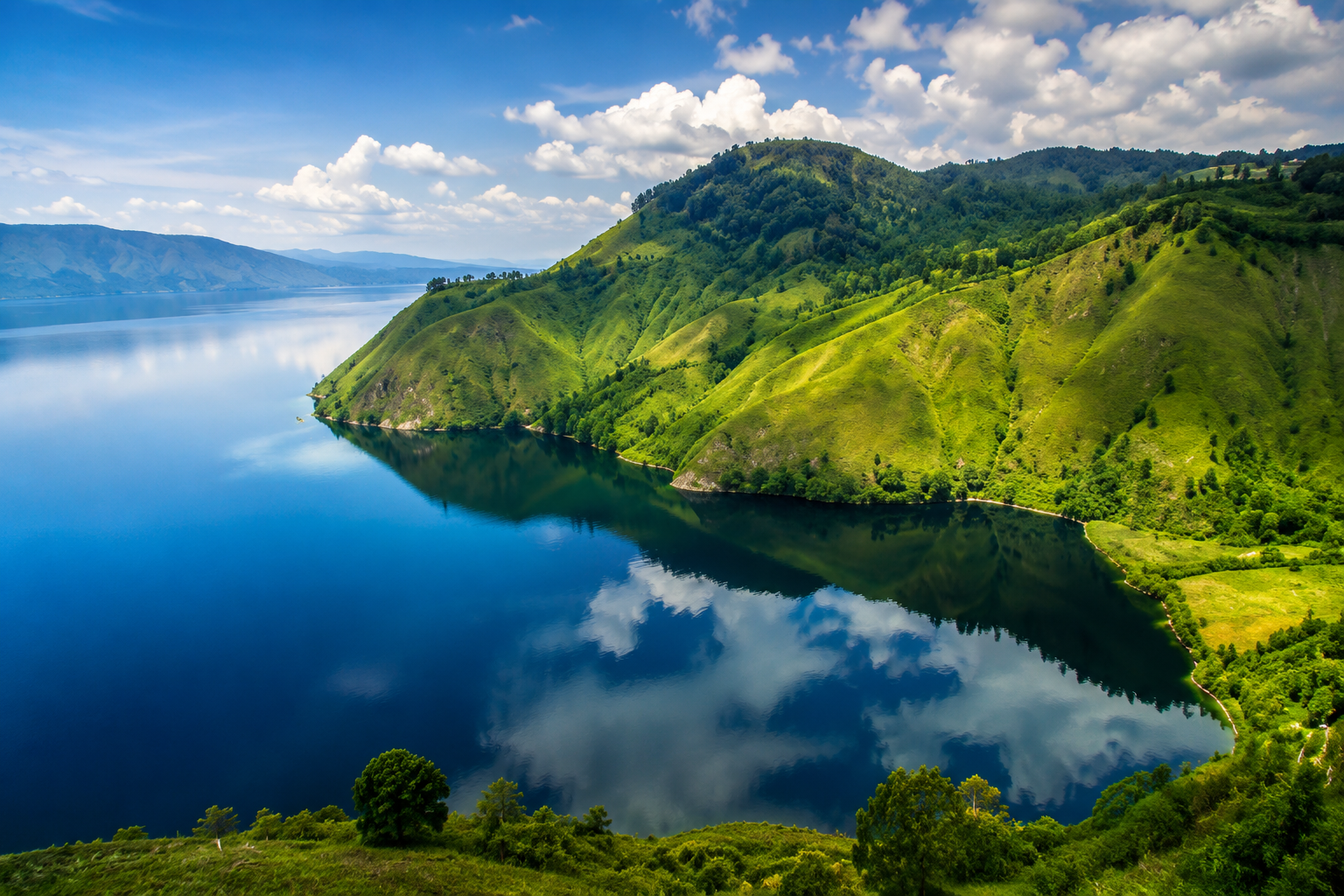
Build in time around your jungle experience, too. Sumatra travel can involve long drives, weather delays, and changing road conditions. Allowing a little flexibility makes the journey calmer for you and easier on the local teams coordinating transport and accommodation. Combining the rainforest with Lake Toba, Berastagi, or village activities can create a fuller trip without trying to rush every destination into a few days.
Questions Worth Asking Before You Book
Before confirming an experience, ask how the operator protects wildlife, whether guides are trained and locally employed, how group size is managed, and what happens if weather makes a route unsafe. Ask whether food is ever used to attract animals and how waste is handled during overnight trips.
The answers should be clear, specific, and comfortable to hear. Responsible operators do not need to hide behind vague claims about being “eco-friendly.” They can explain their practices and set boundaries when a guest request would compromise safety or animal welfare.
A meaningful Sumatra adventure is not measured by how close you get to an orangutan or how many places you race through. It is measured by the stories you carry home, the respect you show while you are there, and the positive value your visit leaves behind.