Info@bukitlawangtravel.com

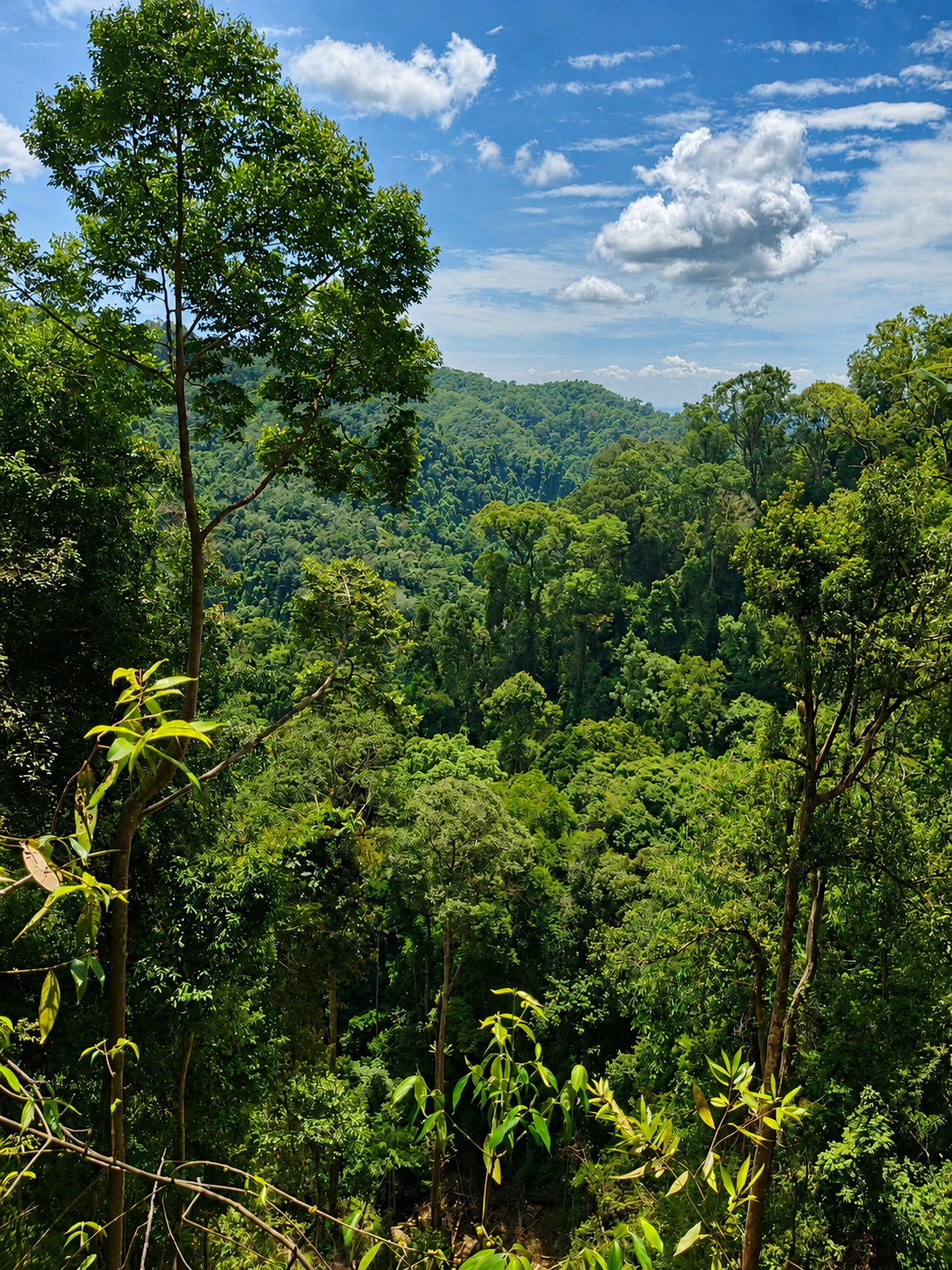
Bukit Lawang Activities and Gunung Leuser Experience
Plan Bukit Lawang Activities and Gunung Leuser Experience with ethical orangutan treks, river fun, village culture, and practical tips for your trip now.

The rainforest does not perform on schedule. An orangutan may appear quietly above the trail, a Thomas’s leaf monkey may crash through the canopy, or the jungle may offer only birdsong and enormous trees for an hour. That uncertainty is exactly what makes Bukit Lawang Activities and Gunung Leuser Experience so memorable. This is not a wildlife show. It is a chance to enter one of Sumatra’s great forest landscapes with a certified local guide, move carefully through real habitat, and let the day unfold at nature’s pace.
Start With an Ethical Orangutan Jungle Trek
For many visitors, seeing orangutans in the wild is the reason to come to Bukit Lawang. Gunung Leuser National Park protects one of the most important remaining habitats for the critically endangered Sumatran orangutan. A guided trek offers the best chance to observe these remarkable primates while respecting the distance, quiet, and patience that wild animals deserve.
Ethical trekking is more than a label. It means guides do not call, touch, feed, block, or chase wildlife to create a photo opportunity. Guests should stay with the group, follow their guide’s direction, avoid flash photography, and keep a respectful distance if an orangutan approaches the trail. If you are sick with a cold, flu, or other contagious illness, postpone the trek. Orangutans are genetically close to humans and can be vulnerable to human disease.
A three-hour jungle walk is a strong choice for families, travelers short on time, and first-time trekkers. You will still encounter humid forest, uneven paths, and the possibility of wildlife, but without committing to a full day on the trail. A full-day trek goes deeper and gives the forest more time to reveal itself. Multi-day expeditions, from an overnight adventure to longer routes lasting up to seven days, are best for people who want the physical challenge and rare privilege of sleeping in the jungle.
Wildlife sightings can never be guaranteed. That is a sign that the experience is responsible. A good trek is valuable even on a quieter day because your guide can help you read the forest: fresh tracks, fruiting trees, gibbon calls, medicinal plants, and the daily work of protecting this ecosystem.
Choose Your Gunung Leuser Experience by Time and Comfort
The right trek is not necessarily the longest one. It depends on your fitness, travel schedule, comfort with heat and mud, and what you hope to take from the day.
Short treks suit travelers who want a meaningful introduction without a major physical commitment. Expect slopes, roots, and tropical humidity, but a pace that can be adjusted for children or less experienced walkers. A night trek changes the mood entirely. With headlamps and a careful guide, you may spot frogs, insects, sleeping birds, and other small nocturnal life that daytime visitors miss.
Overnight and multi-day jungle treks require more preparation. Trails can be steep, rain can arrive quickly, and there is no polished campground waiting at the end. In return, you experience the forest after day visitors have gone: dinner near a riverside camp, the sound of the canopy settling at dusk, and an early morning that begins with mist and calls from the trees. These trips are adventurous, but they should never be reckless. Certified guides, clear safety procedures, suitable food, and a realistic route matter far more than trying to cover the most ground.
If you have knee concerns, limited mobility, or little hiking experience, say so before booking. A locally based operator can recommend a shorter route, a gentler pace, or an alternative activity. There is no prize for pushing beyond your comfort level in a hot, slippery rainforest.
Beyond the Jungle: Bukit Lawang Activities Worth Adding
The village is a base for much more than trekking. Adding one or two local activities creates a fuller Sumatra experience and helps spread visitor spending through the community.
River rafting is a lively way to see the landscape from a different angle. Conditions vary with rainfall, so guides should assess the river on the day and provide appropriate safety equipment. It can be a welcome contrast after a demanding trek, although families with young children should ask about current water levels and suitable sections of the river.
A village or walking eco-tour offers a slower, more personal view of daily life around Bukit Lawang. You may pass small shops, farms, local homes, and community spaces while learning how tourism, agriculture, and conservation intersect. These walks are especially worthwhile for visitors who want to understand the people who live beside the national park, not only the animals within it.
Cave exploration brings a different kind of adventure, with cool rock formations and stories tied to the area. A cooking class is ideal if you prefer a hands-on cultural activity or need a break from physical exertion. Learning to prepare Indonesian dishes with local ingredients gives you something practical to take home, along with a deeper appreciation for the flavors of North Sumatra.
For travelers with extra time, a Rafflesia-focused excursion may be possible when conditions and blooming cycles align. The Rafflesia is famous for its huge flower, but it does not bloom on demand. Treat it as a seasonal possibility rather than a guaranteed checklist item. Elephant-focused experiences also require careful research: prioritize observation and conservation education, and avoid any activity involving riding, forced performances, or stressful handling.
Build a Trip That Supports Conservation and Community
Where you book has a real effect on the kind of tourism a destination receives. Responsible travel in Bukit Lawang means choosing locally rooted guides and accommodations, respecting park rules, reducing waste, and paying fairly for services provided by community members.
Ask direct questions before you choose a trek. Are guides certified and experienced with the route? What wildlife-distance rules do they follow? How is waste managed in the forest? Are meals and camp supplies carried out afterward? A trustworthy operator should answer plainly, without promising guaranteed animal encounters or encouraging close contact for photographs.
Your personal choices matter on the trail as well. Bring a refillable water bottle, avoid single-use plastics where possible, wear biodegradable sunscreen and insect repellent when available, and keep every wrapper in your daypack until it can be disposed of properly. Do not collect plants, feathers, or stones as souvenirs. The forest is not improved by having visitors take a small piece of it home.
Community benefit is equally practical. Eat at locally owned places, consider locally run accommodation, and choose activities led by residents who know the area deeply. Bukit Lawang Travel is family-owned and locally based, so its guided adventures are designed to connect guests with certified local expertise while keeping tourism benefits closer to the community.
Practical Preparation for the Rainforest
Gunung Leuser’s climate is warm and humid year-round. Rain is possible in any season, trails can become muddy, and dry clothing at the end of the day feels like a luxury. Pack light, but pack deliberately.
Wear lightweight long pants and a breathable shirt that covers your shoulders and arms. Closed shoes with grip are essential; sandals are not suitable for jungle trails. Bring a reusable water bottle, rain jacket or poncho, insect repellent, sunscreen, a small first-aid kit, personal medications, and a waterproof bag for your phone and documents. For overnight trips, your operator will confirm what camp equipment and food are included, so do not assume you need to bring everything yourself.
A local SIM card can make arrival and transport coordination easier, though reception may be inconsistent near or inside the forest. Many international visitors arrive through Medan, then arrange a private transfer or shared transport to Bukit Lawang. If your journey includes Lake Toba or Berastagi, plan travel days realistically. North Sumatra’s distances look short on a map, but road times can be longer than expected.
Travel insurance that covers hiking and adventure activities is a sensible safeguard. Tell your guide about allergies, dietary needs, injuries, or medical conditions before departure. This is not overplanning. Clear information helps your team make better decisions if weather, trail conditions, or your energy level changes.
Make Space for the Unplanned
The best Gunung Leuser experience often happens between the big moments. It may be a guide pointing out a tiny leaf insect, a shared laugh after sliding in the mud, or a quiet swim in the river after hours beneath the canopy. Leave room in your itinerary for rest, changing weather, and the possibility that the jungle will surprise you in its own way.
Choose your adventure with care, travel lightly, and let local knowledge lead the way. The forest will give you a far richer story than any rushed wildlife checklist ever could.