Info@bukitlawangtravel.com

Lake Toba: A Meaningful Stop on Your Sumatra Trip
Lake Toba pairs vast volcanic scenery with living Batak culture. Plan transport, time on Samosir, and a responsible stop within your wider Sumatra trip.
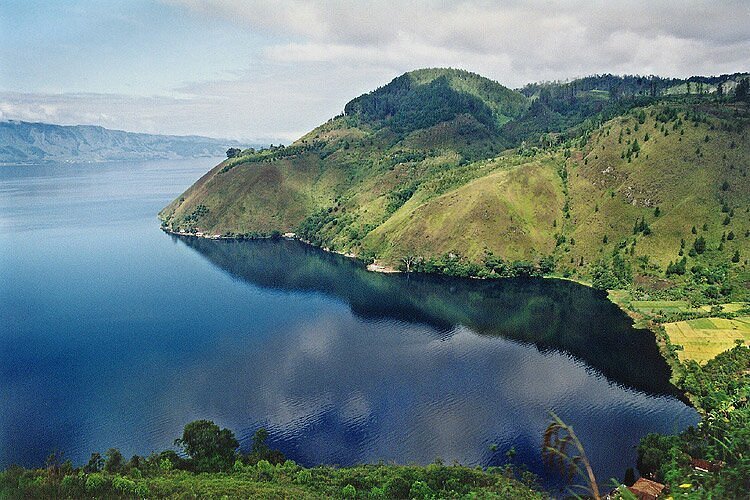
Lake Toba does not feel like a quick photo stop. Its water fills one of the world’s largest volcanic calderas, stretching toward green ridgelines and surrounding the island of Samosir. After the humid intensity of a rainforest trek in Bukit Lawang, this is a place to slow down, breathe cooler air, and experience another side of North Sumatra through landscapes, food, music, and Batak culture.
For travelers building a nature-focused Sumatra itinerary, Lake Toba works best as a meaningful stay rather than a rushed overnight transfer. Give it time, travel with respect, and let the lake set its own pace.
Why Lake Toba Belongs on a Sumatra Itinerary
The scale is the first surprise. Lake Toba was formed by a massive volcanic eruption roughly 74,000 years ago, and its waters now cover an area far larger than most visitors expect. Yet the experience is not only about looking across a dramatic lake. Roads circle farmland and small settlements, fishing boats move across the bays, and everyday life continues along the shore.
Samosir Island is the cultural heart of a Lake Toba visit. Technically a large island within the lake, it is connected to the mainland by a narrow land bridge and reached by passenger ferry from several ports. Many visitors stay around Tuk Tuk, a relaxed peninsula on Samosir with guesthouses, restaurants, swimming spots, and easy access to local villages.
This makes Lake Toba a strong complement to the jungle. Bukit Lawang offers the energy of the rainforest and the possibility of seeing orangutans in their natural habitat with certified guides. Lake Toba brings open horizons, gentler days, and a chance to understand the cultural diversity of North Sumatra. Neither destination replaces the other. Together, they create a more complete journey.
How Long to Spend at Lake Toba
Two nights is the minimum that feels worthwhile for most travelers. It gives you enough time to arrive, settle into Samosir, take a full day to explore, and leave without feeling as though every hour is scheduled. Three nights is better if you want a slower stay with swimming, walking, cycling, or time in more than one village.
One night can work if Lake Toba is part of a tightly planned route between Medan and Berastagi, but it comes with trade-offs. Long road journeys and ferry timings can take much of the day, especially in rain or heavy traffic. You may see the lake, but you are less likely to feel connected to the place.
Travelers coming from Bukit Lawang should generally allow a full transfer day. Driving times vary with road conditions, weather, and where you are staying on Samosir. A private car is often the most comfortable choice for couples, families, and groups with luggage because it allows for flexible stops and coordination with ferry departures. Shared transport can cost less, but it may involve waiting, route changes, and less predictable arrival times.
Staying on Samosir Island
Tuk Tuk is a practical base for first-time visitors. It has a welcoming traveler atmosphere, but it is not a resort strip. Accommodations range from simple family-run rooms to more comfortable lakeside stays, and the best choice depends on how much quiet, convenience, and comfort you want.
A locally owned guesthouse can make a real difference to your visit. Hosts often know which roads are in good condition, when ferries are running, where to find a traditional meal, and which nearby places are suitable for a respectful cultural visit. Spending with local businesses also helps ensure that tourism supports the communities that make Lake Toba special.
If you are sensitive to noise, ask about the room location before booking. Lakeside properties can be peaceful, but road traffic, karaoke events, and local celebrations are part of village life. This is not a reason to avoid them. It is simply a reminder that you are staying in a living community, not an isolated hotel zone.
What to Experience Beyond the View
A day around Samosir can be as active or as relaxed as you choose. Rent a scooter only if you are confident riding on uneven roads and comfortable with local traffic. Otherwise, hire a local driver or guide. It is safer, supports local livelihoods, and lets you pay attention to the scenery rather than navigation.
Traditional Batak architecture is one reason to explore beyond Tuk Tuk. Look for the distinctive steep-roofed houses in villages such as Ambarita and Simanindo. These places can offer insight into Batak heritage, including customary gathering spaces, carvings, dance, music, and oral traditions. Approach them as cultural communities rather than attractions to consume quickly. Dress modestly, ask before photographing people, and follow guidance when entering significant sites.
Food is another easy way to connect. Try local dishes when available, ask what is freshly prepared, and be open to flavors that may be different from the Indonesian food you have tried elsewhere. Many restaurants can adapt spice levels, and vegetarian choices are usually possible with advance notice. If you have dietary restrictions, communicate them clearly and kindly rather than assuming every kitchen follows the same practices as home.
The lake itself invites a slower kind of adventure. Depending on conditions and your accommodation, you may be able to swim, take a boat ride, watch the sunset from the shore, or enjoy an early walk before breakfast. Water safety still matters. Avoid swimming alone in unfamiliar areas, do not enter during storms, and ask local hosts about safe access points and changing conditions.
Responsible Travel at Lake Toba
Lake Toba is beautiful because it is both a natural landmark and a home for many communities. Responsible travel here is straightforward: reduce waste, use refillable water bottles where possible, avoid leaving plastic behind, and choose operators who treat local people fairly.
Respect also matters in small interactions. Learn a few Indonesian greetings, be patient when services move at a different pace, and remember that photos are not automatically yours to take. A friendly request goes a long way, particularly around ceremonies, places of worship, children, and private homes.
Environmental care is especially important near the shoreline. Do not use the lake as a place to dispose of anything, and avoid products that may pollute the water. If you join a boat trip, choose a captain who provides life jackets and does not pressure wildlife or disturb fishing activity for a better photograph.
These choices may seem small, but they reflect the kind of visitor you want to be. The same principles that guide ethical orangutan trekking in Gunung Leuser National Park also apply here: move thoughtfully, listen to local knowledge, and leave a place in good condition for the people and wildlife that depend on it.
When to Visit and What to Pack
Lake Toba can be visited throughout the year. North Sumatra’s weather is tropical and changeable, so rain is possible in any season. Dry spells can bring clearer views and easier road travel, while wetter periods make the hills especially green and can mean fewer visitors. If your schedule is flexible, focus less on finding perfect weather and more on allowing enough time for plans to shift.
Days by the lake can be warm, while evenings may feel cooler than Bukit Lawang. Bring light layers, a rain jacket, comfortable shoes with grip, sun protection, and modest clothing for village visits. Mosquito repellent is still useful, although the cooler elevation may feel less humid than the jungle. Carry cash as well, since card acceptance and ATM access can be limited depending on where you stay.
Mobile service is often available around Tuk Tuk, but connection quality can vary. Download maps and essential travel details before leaving a larger town. If you are traveling between destinations with a driver arranged through Bukit Lawang Travel, confirm pickup times, ferry plans, and accommodation details before departure so the day feels relaxed rather than rushed.
Lake Toba rewards travelers who leave room for an unplanned stop: a quiet coffee by the water, a conversation with a host, or a roadside view that makes everyone in the car ask to pause. Give the lake that space, and it may become the part of Sumatra you remember most clearly.
[…] also makes it easier to build a wider Sumatra itinerary that includes Bukit Lawang, Berastagi, or Lake Toba before heading […]