Info@bukitlawangtravel.com

Tangkahan Tourist Places, Hotels, Restaurants & Travel
Tangkahan Tourist Places, Hotels, Restaurants & Travel: plan a responsible North Sumatra escape with river swims, forest walks, stays, food, and transport.
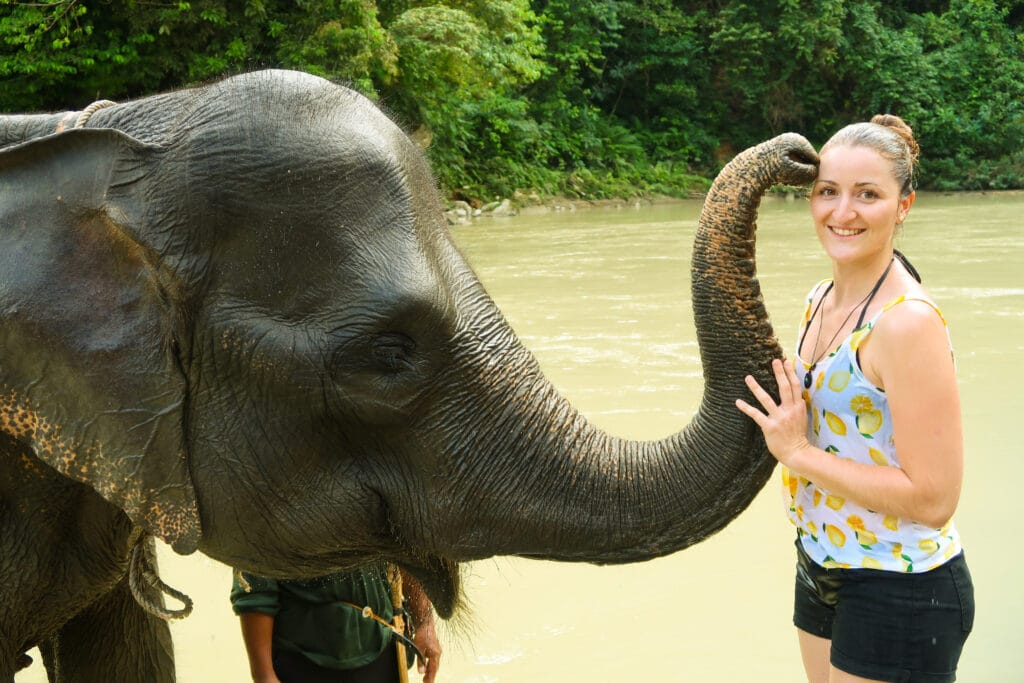
Tangkahan is the kind of place that asks you to slow down. The road gets quieter, the forest feels closer, and the rivers become part of the plan rather than scenery beside it. For Tangkahan Tourist Places, Hotels, Restaurants & Travel, think less about checking off attractions and more about building a thoughtful rainforest stay on the edge of Gunung Leuser National Park.
Often called the quieter neighbor of Bukit Lawang, Tangkahan suits travelers who want river time, village hospitality, and a more remote-feeling forest experience. It is not a resort destination with a long list of polished amenities. That is part of its appeal. A good visit supports local guides and small businesses while respecting the wildlife and forest that make this corner of North Sumatra special.
Tangkahan Tourist Places Worth Your Time
Tangkahan sits beside the Buluh River and close to the larger Batang Serangan River, with forest-covered hills rising around the village. Water shapes the experience here. Start with the suspension bridge and riverbanks near the village, where you can get your bearings, watch local life, and see why visitors come for a calmer pace.
The natural hot springs are a favorite stop. Warm mineral water flows down through the forest before meeting the cool river, creating a simple, memorable place to soak after a walk. Conditions can change with weather and river levels, so treat this as a flexible part of the day rather than a fixed promise. During heavy rain, guides may recommend a safer alternative.
A guided jungle walk is the right way to experience the forest. The terrain can be muddy, steep, and humid even on a short route, but a local certified guide brings much more than navigation. They read fresh tracks, identify plants, explain the forest’s role in village life, and help ensure your visit follows national park rules. Wildlife sightings are never guaranteed, and that honesty matters. The rainforest is not a zoo.
Tangkahan is also known for its elephant conservation history and forest-patrol work. If elephant activities are part of your itinerary, choose carefully. Responsible experiences should prioritize animal welfare, qualified handlers, and conservation education – not rides, forced performances, bathing sessions, or close contact designed for photos. Ask direct questions about how long elephants work, where they spend their time, whether interaction is optional for the animals, and how visitor money supports welfare or forest protection. Observing respectfully from a distance can be far more meaningful than an activity built around touching an elephant.
For travelers with extra time, combine a river day with a village walk, a forest trek, or time simply resting beside the water. Tangkahan works best when you leave room for the unplanned moments: a sudden rain shower, a long lunch, or the sound of gibbons carrying across the trees.
Hotels in Tangkahan: Simple Stays, Strong Setting
Accommodation in Tangkahan is generally small-scale, locally run, and practical rather than luxurious. Expect guesthouses and jungle lodges with basic private rooms, fan or air-conditioned options in some properties, and common areas that look toward the river or forest. The best hotels in Tangkahan are often chosen for their location, welcoming hosts, clean rooms, and reliable local knowledge, not a large facilities list.
Before booking, confirm the details that matter to you. Ask about private bathrooms, hot water, mosquito screens, Wi-Fi reliability, air conditioning, and backup power. Internet and electricity can be less dependable than in Medan, particularly during storms. This can be inconvenient if you are working remotely, but it is also a good reason to download maps, carry cash, and let your schedule breathe.
Eco-friendly lodging is not only about avoiding plastic straws. Look for properties that manage waste responsibly, refill drinking water where safe, employ local staff, and work with guides who follow ethical wildlife practices. A locally owned stay keeps more visitor spending in the community and gives you better access to current information about river conditions, meals, and transport.
If you are traveling with children or prefer comfort after a trek, choose a room near the main village area and book a shorter guided walk. Families do not need to prove anything by taking on a difficult jungle route. A few hours in the forest, a river swim in a safe location, and a relaxed evening can be a very good Tangkahan adventure.
Restaurants and Food in Tangkahan
Restaurants in Tangkahan are mostly intimate local eateries, guesthouse kitchens, and simple warungs rather than stand-alone dining destinations. That means meals are often freshly prepared and generous, but choices may be limited and service can take time. Order with patience. Your food may be cooked from scratch after you request it.
Expect Indonesian comfort food such as nasi goreng, mie goreng, chicken or fish with rice, tofu, tempeh, vegetables, and sambal. Local cooks can often prepare vegetarian meals, although it is wise to mention dietary needs when you arrive or, better yet, before your stay. Vegan travelers should clarify whether dishes use egg, shrimp paste, fish sauce, or meat broth. Those ingredients can appear in foods that seem vegetarian at first glance.
Bring a reusable water bottle, but ask your accommodation where to refill safely. Avoid relying on single-use bottles when refills are available, and do not leave wrappers or food waste along trails or riverbanks. In a small forest village, waste disposal is a real challenge, not an abstract sustainability issue.
Tangkahan Travel Planning From Medan and Bukit Lawang
Most international travelers reach Tangkahan from Medan, the main gateway city in North Sumatra. A private car transfer is usually the simplest and most comfortable option, especially if you are carrying trekking gear, arriving with a group, or traveling with children. The journey often takes around four to six hours, depending on traffic, road conditions, and the weather.
Shared transport can cost less, but it requires more time, route knowledge, and flexibility. If your holiday is short, a pre-arranged transfer gives you a calmer start and avoids arriving after dark. Try to leave Medan in the morning. Roads can be slow, and daytime travel lets you enjoy the changing scenery as the city gives way to plantations, villages, and forested hills.
Traveling between Bukit Lawang and Tangkahan is possible by road and makes sense for visitors who want two different rainforest experiences. Bukit Lawang offers a wider range of accommodation and well-established orangutan trekking routes. Tangkahan offers a quieter river-and-forest atmosphere. The transfer time varies with conditions, so plan it as a half-day movement rather than squeezing it between activities.
Bukit Lawang Travel can help travelers build a responsible North Sumatra route that connects guided jungle trekking, local transport, and the right pace for each destination. Whether you stay one night or several, booking local support early is especially useful in wet months, on weekends, and during Indonesian holidays.
What to Pack for Tangkahan
Pack for humidity, rain, and uneven ground. Lightweight long sleeves and long pants protect against insects and scratches, while proper trail shoes with grip are far more useful than fashionable sneakers. A dry bag or waterproof pouch is essential for phones, passports, and cameras near the river.
Bring reef-safe sunscreen, insect repellent, a small first-aid kit, personal medication, and enough Indonesian rupiah for small purchases. ATMs are not something to depend on in Tangkahan. A headlamp is useful during power interruptions and for moving around after dark, while a refillable bottle, quick-dry towel, and modest swimwear will serve you well at the river.
Most of all, pack realistic expectations. The reward in Tangkahan is not constant entertainment. It is the chance to walk carefully in a living rainforest, share meals with local hosts, and choose travel that gives more respect to the forest than it takes from it.