Info@bukitlawangtravel.com

How Many Days Should You Spend in Bukit Lawang?
How many days should you spend in Bukit Lawang? Plan the right stay for ethical orangutan trekking, village time, rafting, and travel days in Sumatra.

A three-hour jungle walk can leave you thrilled, muddy, and eager for more. A three-day stay can slow the whole experience down enough to hear the forest wake up, meet local people, and travel without rushing. So, How Many Days Should You Spend in Bukit Lawang? For most visitors, two to three nights is the sweet spot. It gives you time for a responsible orangutan trek, a little recovery time, and at least one experience beyond the trail.
The right answer depends on what you want from Sumatra. If your main goal is seeing orangutans in their rainforest home, one full day can work. If you want a meaningful jungle adventure rather than a quick stop between destinations, plan for two or three nights. Travelers with more time can turn Bukit Lawang into the start of a longer North Sumatran journey, with Lake Toba, Berastagi, or a deeper multi-day expedition.
The best stay for most travelers: 2 to 3 nights
Arriving in Bukit Lawang is part of the adventure. The village sits beside the Bohorok River, on the edge of Gunung Leuser National Park, and the road journey from Medan takes several hours. After a flight, traffic, and tropical heat, trying to arrive, trek, and leave the next morning can make a special place feel like a checklist item.
With two nights, you can arrive and settle in on day one, take a guided jungle trek on day two, and travel onward on day three. This is the best choice for couples, friends, and independent travelers with a limited Indonesia itinerary who still want the real rainforest experience.
With three nights, the pace becomes more relaxed. You have room for a longer trek, a village walk, rafting, a cave visit, or simply an unhurried morning by the river. It also provides a useful buffer if weather, road conditions, or your own energy levels change your plans. Jungle travel is more rewarding when there is space to adapt.
Is one night enough in Bukit Lawang?
One night is possible, especially if your itinerary is tight and your transportation is arranged in advance. You might arrive in the afternoon, sleep in the village, complete a half-day or full-day trek the following morning, then continue to your next destination.
But it is a compressed plan. A delayed transfer from Medan can shorten your time in the village, and a full jungle trek deserves energy, proper preparation, and an early start. One night works best for travelers who are comfortable with a fast-moving schedule and see Bukit Lawang as one important stop among many.
For families with younger children, one night can be enough if you choose a shorter, family-friendly forest walk rather than a demanding all-day trek. Children often enjoy the river, village atmosphere, and the chance to learn about the rainforest as much as the distance covered. A good guide will tailor the pace, breaks, and route to the group, rather than treating every guest like an expedition hiker.
What a 2-day Bukit Lawang itinerary looks like
Two nights give you the classic Bukit Lawang experience without overfilling your schedule. On arrival day, check into an eco-conscious local accommodation, take a riverside stroll, and meet your guide for a trek briefing. This is the time to ask practical questions about footwear, rain protection, water, and what wildlife behavior to expect.
Your full day in the forest is the heart of the stay. Certified local guides lead you through changing terrain while explaining the rainforest ecosystem, the habits of orangutans, and the other signs of life visitors often miss at first: Thomas’s leaf monkeys moving through the canopy, gibbons calling in the distance, giant trees, insects, and medicinal plants.
A responsible trek is never a promise of a particular animal at a particular moment. Orangutans are wild, and that is exactly what makes an encounter meaningful. Ethical guiding means keeping a respectful distance, never feeding or touching wildlife, avoiding loud crowds, and allowing animals to move away freely. You are a visitor in their home, not an audience at a show.
After a full day of walking, most guests appreciate having one more night in the village. You can enjoy a local meal, rest tired legs, and leave the next morning without turning the trek into a race against a transfer time.
Why 3 days is better for a deeper rainforest experience
Choose three nights if Bukit Lawang is a priority, not just a pin on the map. This length works especially well if you are traveling from the United States or another long-haul destination and want to make the journey feel worthwhile.
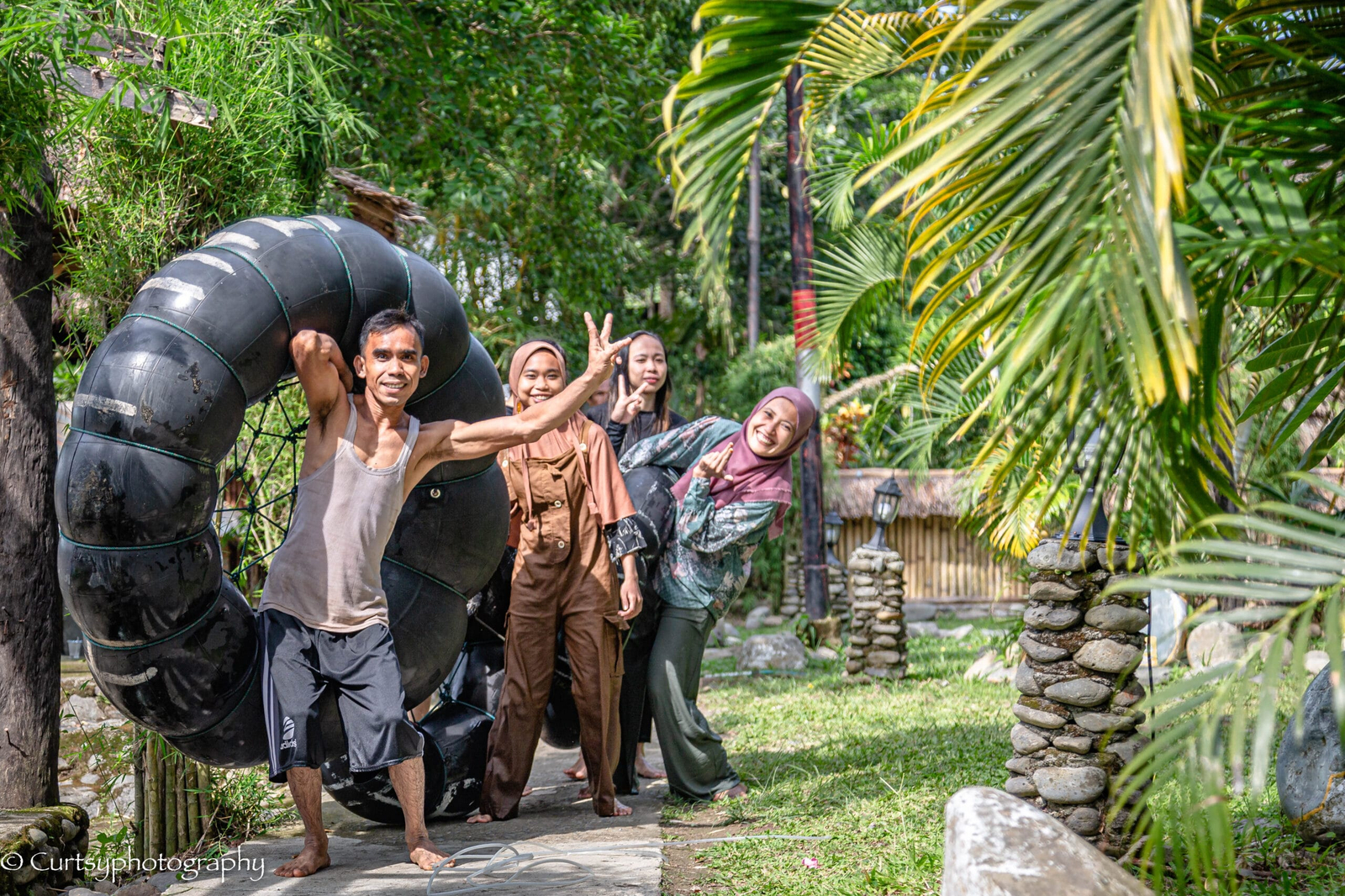
One option is to take a full-day trek, then spend the following day exploring at a gentler pace. Rafting or river tubing can be a fun contrast to hiking, particularly in warmer weather. A village eco-tour or cooking class offers a closer look at daily life and ensures more of your travel spending stays with local families and small businesses. Cave exploration can add another active outing, but it is best chosen according to your comfort with uneven ground and confined spaces.
A three-night stay also gives you the option of an overnight jungle trek. Sleeping in the forest is not about collecting an extreme story. It is for travelers who genuinely want more time away from roads and buildings, are comfortable with basic camp conditions, and understand that rainforest weather can be wet, warm, and unpredictable. You will walk farther, carry only what you need, and experience the forest after dark with experienced guides who know the area well.
When to stay 4 days or longer
Four or more nights make sense for travelers who want an expedition-style trek or a broader nature-focused itinerary. Multi-day jungle trips can range from two nights in the forest to longer expeditions for experienced hikers. They require a realistic assessment of fitness, tolerance for humidity, and willingness to sleep simply. More days in the jungle do not automatically mean more orangutan sightings, but they do offer a deeper sense of the rainforest’s scale and rhythms.
Longer stays are also a thoughtful choice for travelers who prefer to travel more slowly. Instead of packing every day with activities, you can combine a trek with time to enjoy the river, support community-run experiences, and recover before the next road journey. Slow travel is often lower-stress and more respectful of the places you visit.
If your larger plan includes Lake Toba or Berastagi, allow separate transfer days. North Sumatra looks manageable on a map, but mountain roads, traffic, and weather can make journeys longer than expected. Trying to fit Bukit Lawang, Berastagi, and Lake Toba into three days usually means seeing the road more than the destination.
Choose your days based on your trek style
The duration of your stay should follow the kind of trek you want, not the other way around. A short three-hour walk is ideal for families, first-time trekkers, travelers with limited mobility, or anyone who wants an introduction to the forest without committing to a full day. Plan at least one night so you can arrive rested and avoid rushing back to a vehicle.
A full-day trek suits most active travelers and is the strongest reason to stay two nights. Expect steep sections, roots, mud, heat, and frequent stops. You do not need to be an elite athlete, but you should be comfortable walking on uneven natural trails and taking guidance from your local team.
An overnight or multi-day trek is best paired with at least three nights in the area. Give yourself a night before the trek to prepare and a night afterward to shower, rest, and enjoy the satisfaction of returning from the forest without an immediate long transfer.
A practical note on responsible planning
The best itinerary is not the busiest one. Book with a locally based operator that uses certified guides, follows wildlife-respectful practices, and can explain exactly how the trek supports conservation and the community. Ask how group sizes are managed, what distance is kept from orangutans, and whether any wildlife feeding is involved. The right answer to the last question is no.
Pack light but thoughtfully: breathable clothing, sturdy shoes with grip, a refillable water bottle, rain protection, insect repellent, and a small dry bag are usually more useful than extra gear. Bring patience, too. The rainforest does not run on a timetable, and the most memorable moments are often the ones you did not plan.
For a first visit, give Bukit Lawang two or three nights and let the forest set the pace. You will have time to trek responsibly, support the village that hosts you, and leave with more than a photo of an orangutan – you will leave with a clearer sense of why protecting this rainforest matters.