Info@bukitlawangtravel.com

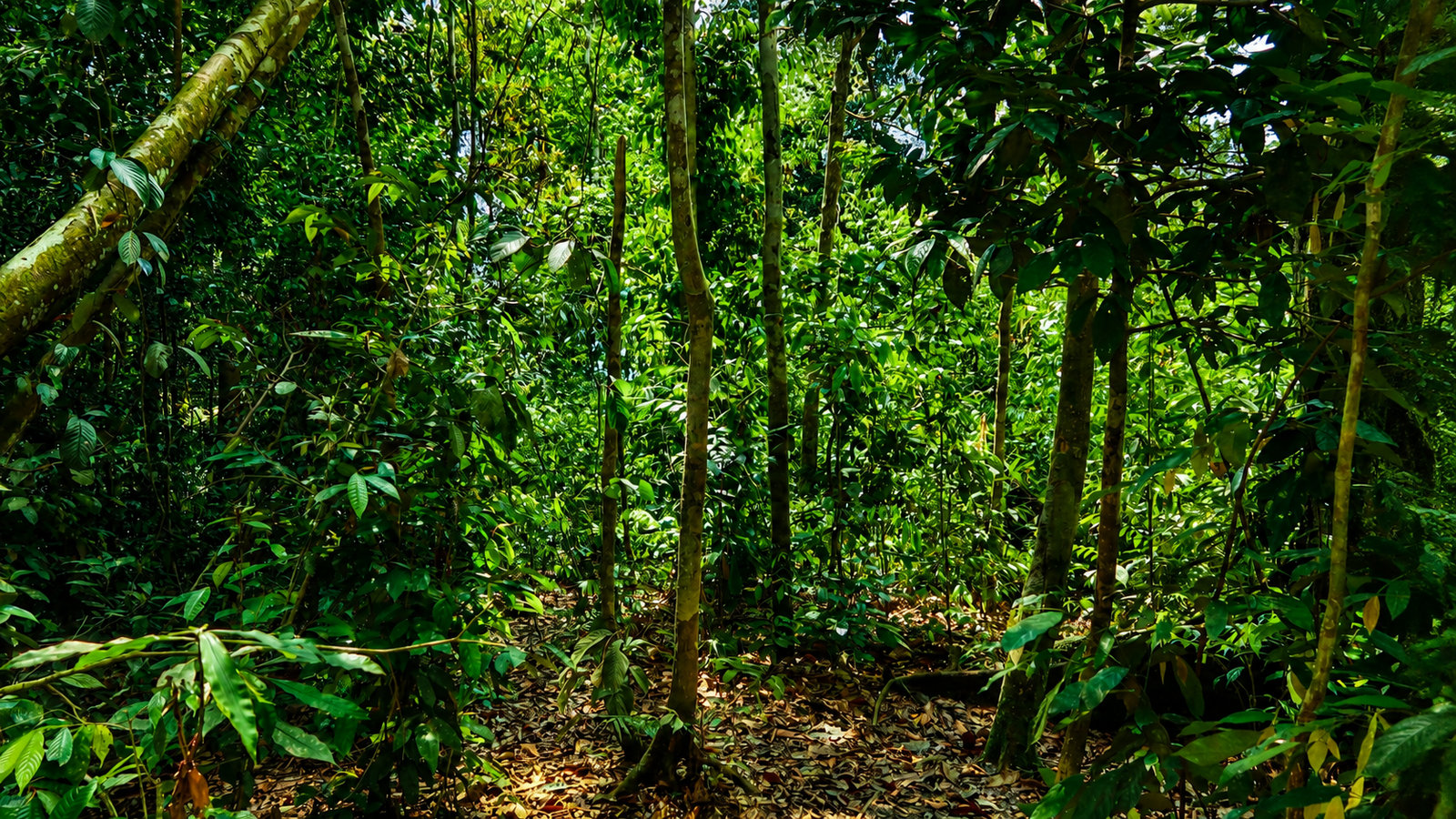
Bukit Lawang Weather Guide for Jungle Treks
Our Bukit Lawang Weather Guide helps you choose trek dates, pack for rain and heat, and enjoy responsible orangutan encounters in every season. Safely.

Rain is part of the rainforest experience, not a reason to avoid it. This Bukit Lawang Weather Guide will help you choose the right trek length, pack wisely, and arrive ready for North Sumatra’s warm, humid jungle conditions.
Bukit Lawang sits beside the Gunung Leuser rainforest, where weather can change quickly. A bright morning can turn into a heavy afternoon shower, and a wet trail can still lead to an unforgettable wildlife encounter. The key is not finding a perfectly dry day – there is no guarantee of one – but choosing a season and itinerary that suit your comfort level.
Bukit Lawang Weather Guide: The Seasonal Pattern
Bukit Lawang is warm and humid throughout the year. Daytime conditions are often hot under the canopy, while evenings can feel cooler after rain, especially on overnight jungle treks. Rainfall is possible in every month, which is why waterproof layers and quick-drying clothing matter whenever you visit.
Many travelers prefer the relatively drier period from roughly June through September. Trails may be a little easier to walk, river conditions are often more predictable, and sunny breaks can be more frequent. This can be a good window for first-time trekkers, families considering a shorter guided walk, and travelers building a wider Sumatra itinerary.
That said, “drier” does not mean dry. A tropical downpour can arrive at any time, and muddy ground is normal in a living rainforest.
Wetter Months and Green-Season Rewards
The wetter period is commonly strongest from around October through January, though local patterns vary from year to year. Expect more regular rain, higher humidity, slippery slopes, and occasional changes to trekking routes or river activities.
For travelers who do not mind getting wet, this season has its own appeal. The forest feels intensely green, waterfalls and streams are lively, and the jungle is full of sound. Smaller visitor numbers can also make the village feel quieter. A certified local guide is especially valuable when conditions are wet, as they can choose safer footing, adjust the pace, and make responsible decisions if river levels rise.
February through May can be a useful middle ground, with mixed conditions and plenty of rain still possible. If your travel dates are fixed, do not worry too much about landing outside a so-called best month. Good preparation and a trek matched to your abilities matter more than chasing a forecast.
How Weather Changes Your Jungle Trek
Weather affects the feel of a trek more than the chance of seeing wildlife. Orangutans and other rainforest animals live in the forest year-round, but sightings are always natural and never guaranteed. Ethical trekking means observing animals at a respectful distance, following your guide’s instructions, and never feeding or calling wildlife closer.
After rain, trails can become muddy and roots can be slick. This may make a three-hour walk feel more demanding than expected, while a multi-day expedition requires stronger balance, stamina, and a positive attitude toward damp clothes. On the other hand, a rainy jungle can be wonderfully alive: insects hum, leaves shine, and the forest feels far from any ordinary sightseeing route.
High water can affect rafting and river crossings. Responsible operators may delay, reroute, or cancel an activity when conditions are unsafe. That is not lost adventure – it is the right call for guests, guides, and the community that depends on safe tourism.
What to Pack for Bukit Lawang Weather
Pack light, but pack for both sun and rain. Cotton can stay wet for a long time, so breathable synthetic or merino layers are usually more comfortable on the trail. Sturdy shoes with grip are better than smooth-soled sneakers, particularly during wetter months.
Bring these essentials for any guided trek:
- A lightweight rain jacket or poncho
- Quick-drying shirt and shorts or lightweight trekking pants
- Closed-toe trekking shoes or trail sandals with reliable grip
- A dry bag or waterproof pouch for your phone, passport, and camera
- Refillable water bottle, sunscreen, insect repellent, and a small towel
For an overnight or multi-day trek, add dry socks, a change of clothes sealed in a waterproof bag, and a warm layer for camp. Your guides can advise on trek-specific equipment, but personal comfort items are worth planning in advance.
Choosing the Right Trek in Any Season
If you are new to tropical trekking or traveling with children, a shorter jungle walk is often the smartest choice during unsettled weather. You still have the chance to learn about the rainforest and look for orangutans with a local guide, without committing to several hours on muddy terrain.
Experienced hikers may enjoy a two- to seven-day expedition in most months, provided they are prepared for heat, rain, leeches, and changing trail conditions. Build in flexibility around transport and activities, especially if you plan to combine Bukit Lawang with Lake Toba, Berastagi, or other destinations.
Check the forecast close to departure, but treat it as a guide rather than a promise. The rainforest writes its own schedule. Come prepared, listen to your guides, and you will be ready to experience it with care.