Info@bukitlawangtravel.com

10 Best Things to Do in Bukit Lawang, Sumatra
Plan the Best Things to Do in Bukit Lawang, from ethical orangutan treks and river rafting to village walks, caves, food, and Sumatra trip planning well.

Bukit Lawang is more than a place to spot orangutans. It is a living rainforest village at the edge of Gunung Leuser National Park, where a morning walk can lead beneath towering trees, an afternoon can end on the Bohorok River, and a shared meal supports a local family business. The Best Things to Do in Bukit Lawang combine real adventure with thoughtful choices: go with certified guides, give wildlife the space it needs, and spend your travel budget in ways that benefit the community.
Start with an ethical orangutan jungle trek
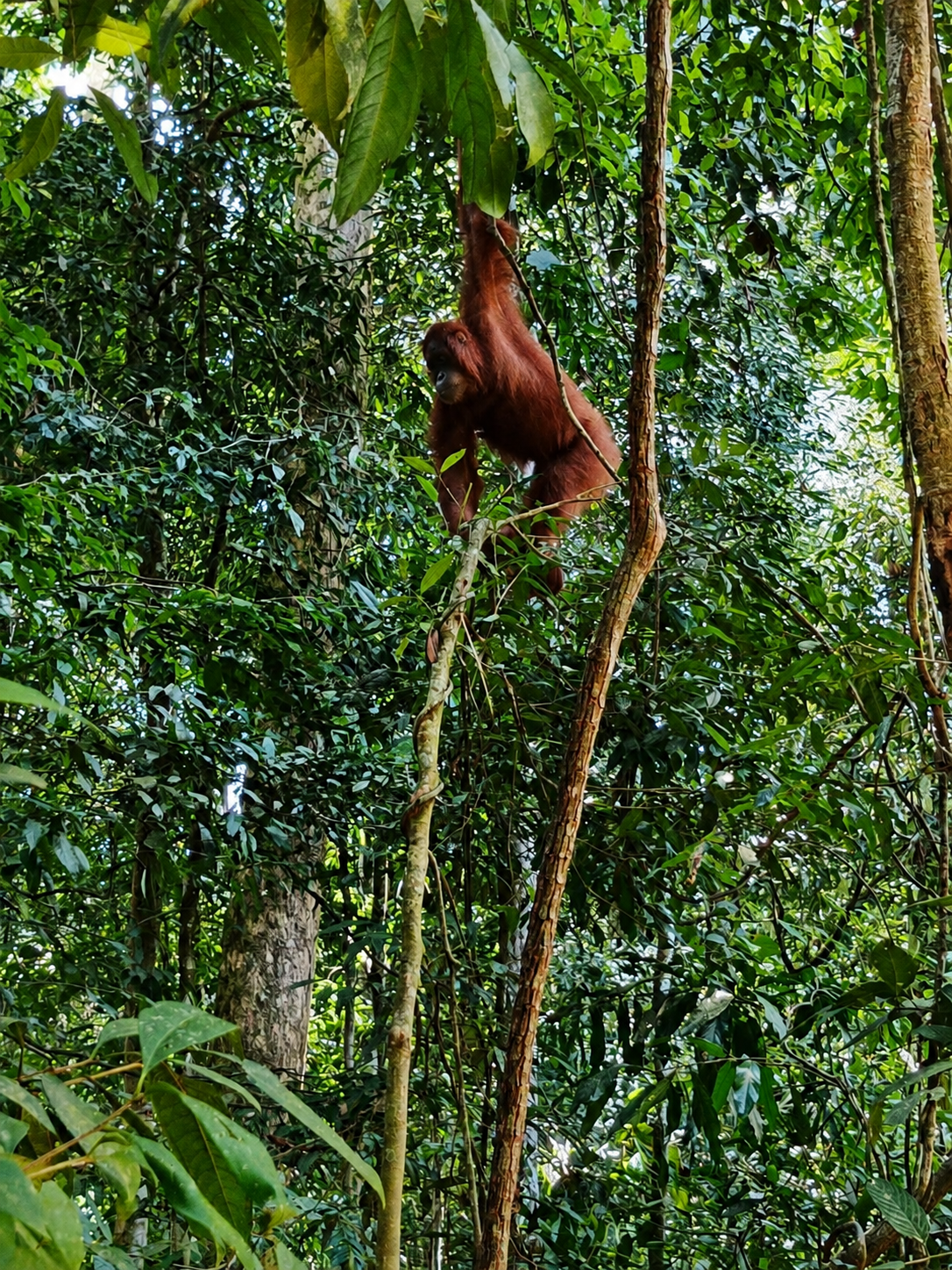
For most visitors, the rainforest is the reason to come. Bukit Lawang is one of the best-known gateways to Gunung Leuser National Park, one of the last places where critically endangered Sumatran orangutans still live in the wild.
A guided trek offers the best chance to see orangutans moving through the canopy, building nests, feeding on fruit, or traveling with their young. You may also encounter Thomas’s leaf monkeys, long-tailed macaques, gibbons, hornbills, monitor lizards, and an extraordinary variety of insects and plants. Wildlife sightings can never be guaranteed, which is exactly what makes a forest trek feel genuine. This is not a zoo. The animals decide where to go and whether to appear.
Choose a guide who is certified, knows the forest well, and follows wildlife-respectful practices. That means keeping a safe distance, never touching or feeding animals, avoiding flash photography, and not blocking an animal’s path. A responsible trek may be quieter and less staged than an unethical encounter, but it protects the very wildlife visitors travel so far to see.
Choose a trek length that fits your group
A three-hour or half-day jungle walk is a strong choice for families, travelers short on time, or anyone who wants an accessible first rainforest experience. The trails can still be steep, humid, and muddy after rain, so comfortable walking shoes and a reasonable level of mobility are helpful.
A full-day trek allows more time to move deeper into the forest and enjoy a riverside lunch. Overnight and multi-day expeditions are better for travelers who want the jungle to become the main event. Sleeping in a simple forest camp, listening to cicadas after dark, and waking to gibbon calls creates a different kind of connection to the national park.
Longer is not automatically better. Pick a duration that matches your fitness, comfort level, and available time. A well-paced half-day trek can be more enjoyable than pushing through several difficult days unprepared.
Cool off with a Bohorok River rafting finish
After hours in tropical heat, the Bohorok River is hard to resist. A rafting trip is often the joyful finish to a jungle trek, with guides steering an inflatable raft through gentle rapids, shallow stretches, and forest-lined bends.
This is generally recreational rafting rather than an extreme whitewater expedition, though river conditions change with rainfall. During or after heavy rain, the current can become stronger and safety decisions should always rest with experienced local guides. Wear a life jacket, listen carefully at the start, and bring only what can get wet or be stored safely.
The ride is also a chance to see Bukit Lawang from a new angle. The river is part of the village’s daily rhythm, carrying the sound of water past guesthouses, cafés, and green hillsides. It is one of the most fun ways to end a sweaty day on the trail.
Take a village and eco walk
The jungle gets the headlines, but Bukit Lawang’s village life is worth your time. A guided walking eco-tour can introduce you to small farms, local plants, neighborhood pathways, and the everyday work behind this tourism community.
You might learn how rubber is tapped, see cacao or tropical fruit growing, visit a local market, or hear how the village has changed as conservation and tourism became more central to the local economy. These experiences are especially meaningful for visitors who want more than a quick nature photo before moving on.
Go with curiosity rather than a checklist. Ask before photographing people, dress respectfully, and remember that this is home for the people you meet. Community-based activities help make visitor spending more widely useful, from guides and drivers to cooks, shop owners, and small accommodation teams.
Explore Bat Cave with the right expectations
Bat Cave offers a cooler, darker counterpoint to the open forest. Inside, rock formations, narrow passages, and the sound of bats create an atmospheric outing for travelers comfortable with uneven ground and confined spaces.
This is not the right activity for everyone. The cave can be humid, slippery, and challenging if you are claustrophobic or have difficulty walking on irregular surfaces. A local guide is useful for safety and for understanding what you are seeing. Wear shoes with grip, bring a headlamp if advised, and do not touch wildlife or cave formations.
For those who enjoy a little physical challenge, cave exploration makes a good addition to a shorter jungle itinerary. It also works well on a day when you want to stay close to the village.
Join a local cooking class
One of the best ways to understand Sumatra is through its food. A cooking class turns a meal into a conversation about ingredients, family recipes, spice blends, and the traditions that shape local cooking.
Expect fragrant herbs, chilies, coconut, fresh vegetables, and dishes that can be adjusted around dietary needs when arranged in advance. Tell your host if you are vegetarian, vegan, allergic to nuts, or unable to eat spicy food. Indonesian cuisine can be wonderfully flexible, but clear communication matters.
A class is particularly rewarding after several active days. You get to slow down, eat well, and take home a memory that does not depend on a camera roll. It is also a direct, practical way to support local hosts.
Look for rare plants, including Rafflesia
For keen nature travelers, a Rafflesia excursion can be a special reason to extend your time in North Sumatra. Rafflesia is famous for producing one of the world’s largest flowers, but it does not bloom on demand. Timing is everything, and sightings depend on season, location, and the flower’s brief blooming period.
That uncertainty is part of responsible nature travel. Avoid anyone promising a guaranteed bloom or encouraging harmful access to fragile plants. A good guide will explain the conditions honestly and treat the search itself as part of the experience, with forest landscapes, smaller plants, and birdlife adding interest along the way.
Try a night trek for a different rainforest soundtrack
The rainforest changes completely after sunset. Night treks reveal frogs, geckos, insects, spiders, nocturnal birds, and sometimes mammals that are difficult to see during the day. More than anything, they offer sound: dripping leaves, chirping insects, distant calls, and the quiet movement of the forest beyond your flashlight beam.
Night trekking should be guided and carefully paced. Trails feel very different in the dark, and the goal is observation, not chasing animals for a closer look. Wear closed shoes, carry water, and follow your guide’s light and instructions. Families with young children may prefer an early-evening walk rather than a longer night outing.
Make time for a slow riverfront afternoon
Not every memorable Bukit Lawang experience needs a guide, a helmet, or a steep climb. Spend a few hours along the river with a cool drink, read on a terrace, watch local life pass, or simply recover from the jungle heat.
This slower time is useful for practical reasons, too. Trekking in humidity takes more out of most visitors than expected. Building in a rest afternoon means you are less likely to rush your next activity, overlook a sore knee, or arrive exhausted for an early transfer.
Choose locally owned places to eat and stay where possible. Small decisions like these keep more visitor income within the community and help preserve the welcoming character that makes the village special.
Extend the adventure to Lake Toba or Berastagi
Bukit Lawang fits beautifully into a wider North Sumatra journey. Lake Toba offers a dramatic change of pace, with cool air, vast volcanic scenery, and Batak culture around one of the world’s largest volcanic lakes. Berastagi is another worthwhile extension, known for highland landscapes, fresh produce, and views toward volcanic peaks.
These destinations suit travelers who have at least a week in the region and want to balance jungle intensity with culture and scenery. Travel days can be long, road conditions vary, and private transport may be more comfortable than trying to coordinate every connection independently. A well-planned route from Medan can reduce stress and leave more energy for the places themselves.
Plan the experience, not just the activities
The best Bukit Lawang itinerary leaves room for weather, energy levels, and the unexpected. Pack lightweight clothing, a rain layer, refillable water bottle, sunscreen, insect repellent, and footwear that can handle mud. Bring dry bags or waterproof pouches for your phone and passport, especially if rafting is part of the plan.
Book jungle activities with a locally based operator that prioritizes certified guiding, small-group care, and ethical wildlife standards. Bukit Lawang Travel can help match a trek length and wider Sumatra route to your group, whether you want a family-friendly forest walk or several days under the canopy.
Come ready for an adventure that matters. Give the orangutans room, treat the rainforest with care, and allow a little extra time to meet the people whose knowledge and hospitality make Bukit Lawang feel like far more than a stop on the map.
[…] is your main priority, flexibility gives you the best chance. Arrive with a spare day in your Bukit Lawang itinerary and let the forest decide when it is ready to share its […]