Info@bukitlawangtravel.com

Your Complete Guide to Bukit Lawang (2026)
This Complete Guide to Bukit Lawang (2026) covers ethical treks, transport, wildlife rules, packing tips, and local travel insight for Sumatra trips now.

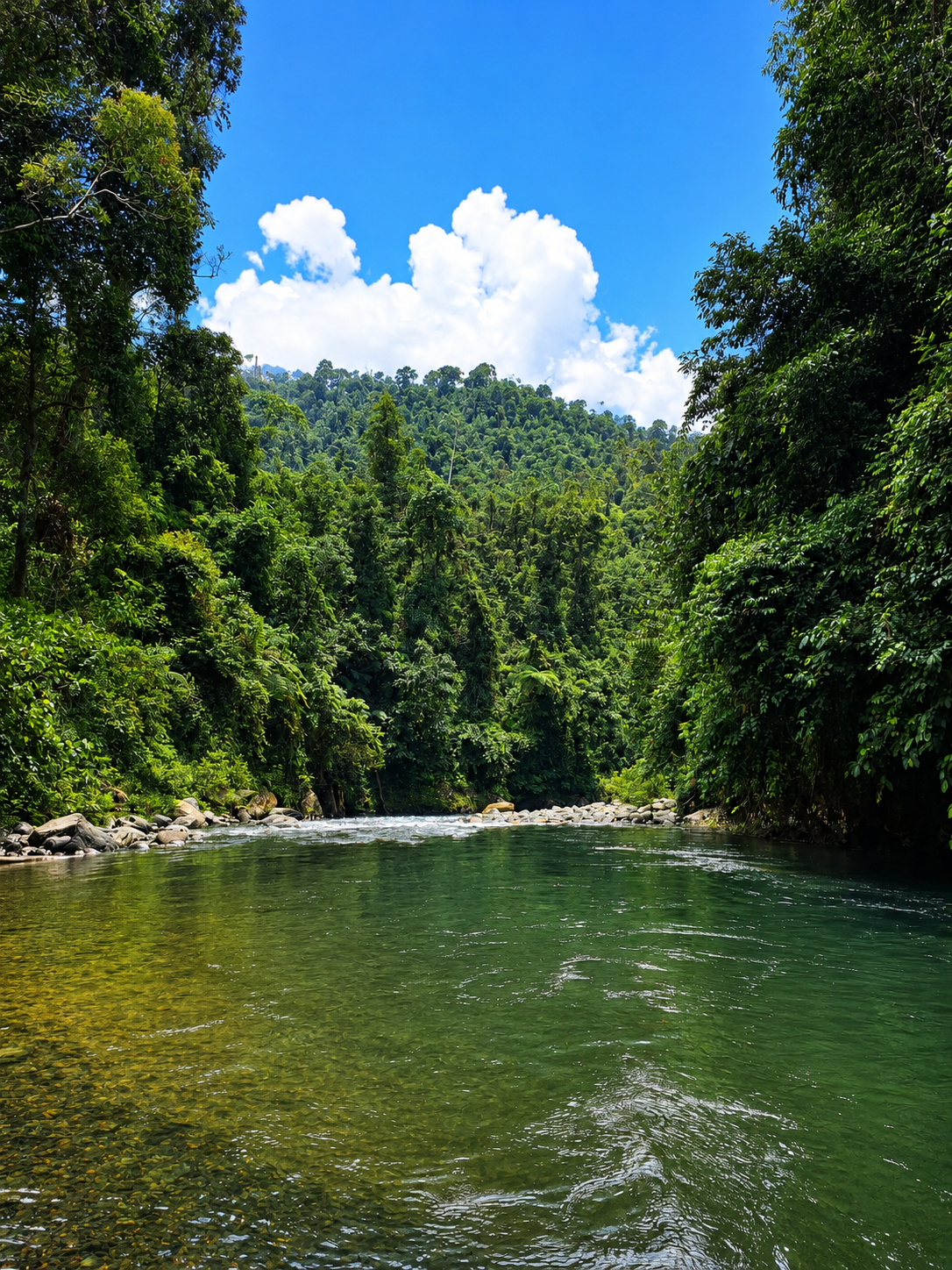
The first sound many visitors notice in Bukit Lawang is the river. The Bahorok rushes beside the village, while dense rainforest rises just across it. This Complete Guide to Bukit Lawang (2026) will help you plan a trip that feels adventurous, well prepared, and respectful of the orangutans, forest, and local community that make this place special.
Bukit Lawang is not a zoo stop or a place to rush through for a photo. It is a gateway to the Leuser Ecosystem, one of Southeast Asia’s most important rainforest landscapes. Come ready for humidity, muddy trails, big wildlife moments, and the privilege of visiting a living forest on its own terms.
Why Bukit Lawang Is Worth the Journey
Bukit Lawang sits on the edge of Gunung Leuser National Park in North Sumatra. It is best known for jungle trekking, where visitors may see critically endangered Sumatran orangutans in their natural habitat. The word “may” matters. Wildlife sightings are never a guarantee, and that uncertainty is part of an ethical rainforest experience.
A good trek offers more than a chance to spot orangutans. Certified local guides read the forest: fresh movement in the canopy, fruiting trees, bird calls, changing weather, and the safest route through steep terrain. Along the way, you might encounter Thomas’s leaf monkeys, long-tailed macaques, hornbills, gibbons, monitor lizards, or countless insects and plants that most visitors would otherwise miss.
The village itself adds another layer to the experience. Family-run guesthouses, small restaurants, local drivers, river guides, and village activities mean visitor spending can support people who call this area home. Choosing locally rooted, responsible travel helps keep that benefit close to the community.
Choosing Your Bukit Lawang Adventure
The right trek depends less on fitness labels and more on what you want from the forest. A three-hour guided walk can be a good choice for families, travelers short on time, or anyone who wants a gentle introduction. It still involves uneven ground, roots, heat, and occasional slopes, but it does not require camping.
A full-day trek gives you more time away from the village edge and a better sense of the rainforest’s scale. It is often a strong middle ground for first-time jungle travelers who are comfortable walking for several hours in humid conditions.
For a deeper experience, choose an overnight or multi-day expedition. You will sleep at a simple jungle camp, eat meals prepared by your guide team, listen to the forest after dark, and travel farther from the usual day-trek routes. These trips are rewarding, but they are physically demanding. Trails can be muddy, descents can be steep, and heavy rain changes the pace quickly.
Night treks, rafting, cave exploration, cooking classes, and village walks can round out a stay without turning every day into a strenuous expedition. If you are planning a longer Sumatra trip, Bukit Lawang also pairs naturally with Berastagi, Lake Toba, and other nature-focused stops.
Ethical Orangutan Trekking: The Rules That Matter
Seeing an orangutan close enough to recognize her expression is unforgettable. It also creates a responsibility. Orangutans are wild animals, not performers, and their health can be affected by human behavior.
Keep a generous distance, follow your guide’s instructions, and never try to draw an animal closer with food, sounds, or gestures. Do not touch wildlife, even if an animal comes near. Human illnesses can be dangerous to orangutans, so travelers who are sick should postpone a trek. Your guide may also adjust the route or pause the group if an animal needs space. That is good guiding, not a missed opportunity.
Avoid operators that promise guaranteed close encounters, allow feeding, or treat wildlife as a prop for social media. Responsible trekking keeps groups controlled, stays on appropriate routes, carries out waste, and gives animals the freedom to move away. The best sighting is one that does not change an animal’s natural behavior.
How to Get to Bukit Lawang
Most international visitors begin in Medan, North Sumatra’s main arrival city. From there, the road journey to Bukit Lawang generally takes several hours, depending on traffic, weather, and the pickup point. Private transfers are the easiest option after a long flight, especially for families, groups, or travelers arriving with trekking luggage.
Shared transport can cost less, but it may involve waiting, additional stops, and less flexibility. Public buses offer the most local experience, though they are usually slower and require more patience. If your arrival time is tight, plan a buffer rather than booking a trek immediately after a long overland transfer.
For 2026 travel, confirm current Indonesian entry, visa, and passport requirements through official government sources before booking flights. Requirements can change, and the right option depends on your nationality, length of stay, and onward plans. Travel insurance that covers medical care and adventure activities is a sensible addition for any jungle itinerary.
When to Visit Bukit Lawang
Bukit Lawang is warm and humid throughout the year. Rain can fall in any month, which is exactly why the surrounding forest remains so green. A dry-season visit may bring firmer trails and easier river conditions, while wetter periods can mean quieter paths, dramatic rainforest atmosphere, and more mud.
There is no weather-proof month. Instead, pack for rain and keep your schedule flexible. Morning starts are often more comfortable before the day’s heat builds, but wildlife follows food and forest conditions, not a visitor timetable.
If you want a quieter experience, avoid building your trip around major holiday periods when possible. Booking earlier is wise for private rooms, family-friendly itineraries, and multi-day expeditions, particularly when your dates are fixed.
Where to Stay and How Long to Plan
Most travelers stay two or three nights. Two nights can work well for an arrival day, one full-day trek, and a relaxed departure. Three nights create breathing room for a shorter trek, a rafting trip, a village activity, or a rest day by the river.
Accommodation in Bukit Lawang ranges from simple guesthouses to more comfortable eco-minded lodgings. Do not expect big-city hotel polish everywhere. Expect warm hospitality, rainforest sounds, and a more personal pace. Ask about air conditioning or fans, hot water, Wi-Fi expectations, river access, and whether the property is suitable for young children or guests with limited mobility.
What to Pack for the Jungle
You do not need expensive expedition gear, but you do need practical clothing that can get wet and dirty. Quick-drying layers are more useful than heavy cotton, and a small daypack should protect essentials from rain.
Bring these basics:
- Lightweight long pants and a breathable long-sleeved shirt
- Trail shoes with grip or sturdy sandals designed for wet terrain
- A reusable water bottle, sunscreen, insect repellent, and personal medications
- A rain jacket or poncho, plus dry bags or waterproof pouches for electronics
- A headlamp for overnight treks and a change of clothes for after the trail
Leeches are possible after rain, but they are a manageable part of a tropical forest, not a reason to panic. Your guide can offer practical advice, and long socks or leech socks can help if conditions call for them. Leave disposable plastics behind whenever you can.
Health, Safety, and Realistic Expectations
Jungle trekking is not a race. Tell your guide about injuries, medical conditions, fears, dietary needs, or concerns about your fitness before the trip begins. An ethical operator can recommend a suitable route and pace, but only if they have accurate information.
Drink regularly, eat before setting out, and speak up early if you feel dizzy, overheated, or unwell. Trails can become slippery, so use your hands when needed and do not feel pressured to move faster than is safe. During heavy rain or high river levels, guides may change plans. In the rainforest, flexibility is a safety skill.
Bring enough Indonesian rupiah for meals, tips, small purchases, and activities that may not accept cards. ATMs and card access can be more limited than in Medan, and mobile data can be inconsistent. Buying a local SIM or eSIM before reaching the village can make coordination easier, but do not rely on being connected in the jungle.
Make Your Visit Matter Beyond the Trek
A responsible trip is shaped by the choices around the trek as much as the trek itself. Eat at local businesses, choose guides with recognized training, refill your bottle, ask before photographing people, and respect the village as a home rather than a backdrop. Small choices add up.
Bukit Lawang Travel is family-owned and locally based, with certified guides and trek formats ranging from short family walks to multi-day jungle expeditions. The goal is simple: help visitors experience the forest safely while keeping wildlife welfare and community benefit at the center.
Leave room in your itinerary for the unexpected: a rainstorm that slows the trail, a gibbon call that stops everyone in their tracks, or an afternoon spent talking with the people who know this river and rainforest best. Those moments are often what travelers carry home long after the jungle mud has washed away.