Info@bukitlawangtravel.com

Best Time to See Sumatran Orangutans in Bukit Lawang
Best time to see Sumatran orangutans in Bukit Lawang: dry-season weather, rainy-season trade-offs, ethical trekking, and planning advice for visitors.

Bukit Lawang · North Sumatra
Best Time to See Sumatran Orangutans
Orangutan trekking is possible throughout the year. The best season depends less on a guaranteed sighting and more on the kind of rainforest experience you want.
Best Overall Period
June — September
Generally drier trails, easier hiking conditions and good conditions for photography and multi-day trekking.
June – September
Drier Season
Easier trails & popular travel period
October – December
Green & Quieter
More rain but fewer visitors
January – March
Rainforest Mood
Peaceful, humid & beautifully lush
April – May
Transition
A useful middle ground
A wild orangutan sighting is never something to schedule like a museum visit. These are critically endangered great apes living on their own terms in a vast rainforest.
Still, if you are wondering when is the best time to see Sumatran orangutans in Bukit Lawang, there is encouraging news: guided treks operate year-round, and every season can bring meaningful wildlife encounters.
For the easiest hiking conditions, stronger chances of dry weather, and clearer light for photography, plan your visit between June and September.
But do not dismiss the wetter months too quickly. A quieter trail, deeply green forest, and a more personal jungle experience can make a rainy-season trek just as rewarding.
Why Bukit Lawang Is Special for Orangutan Trekking
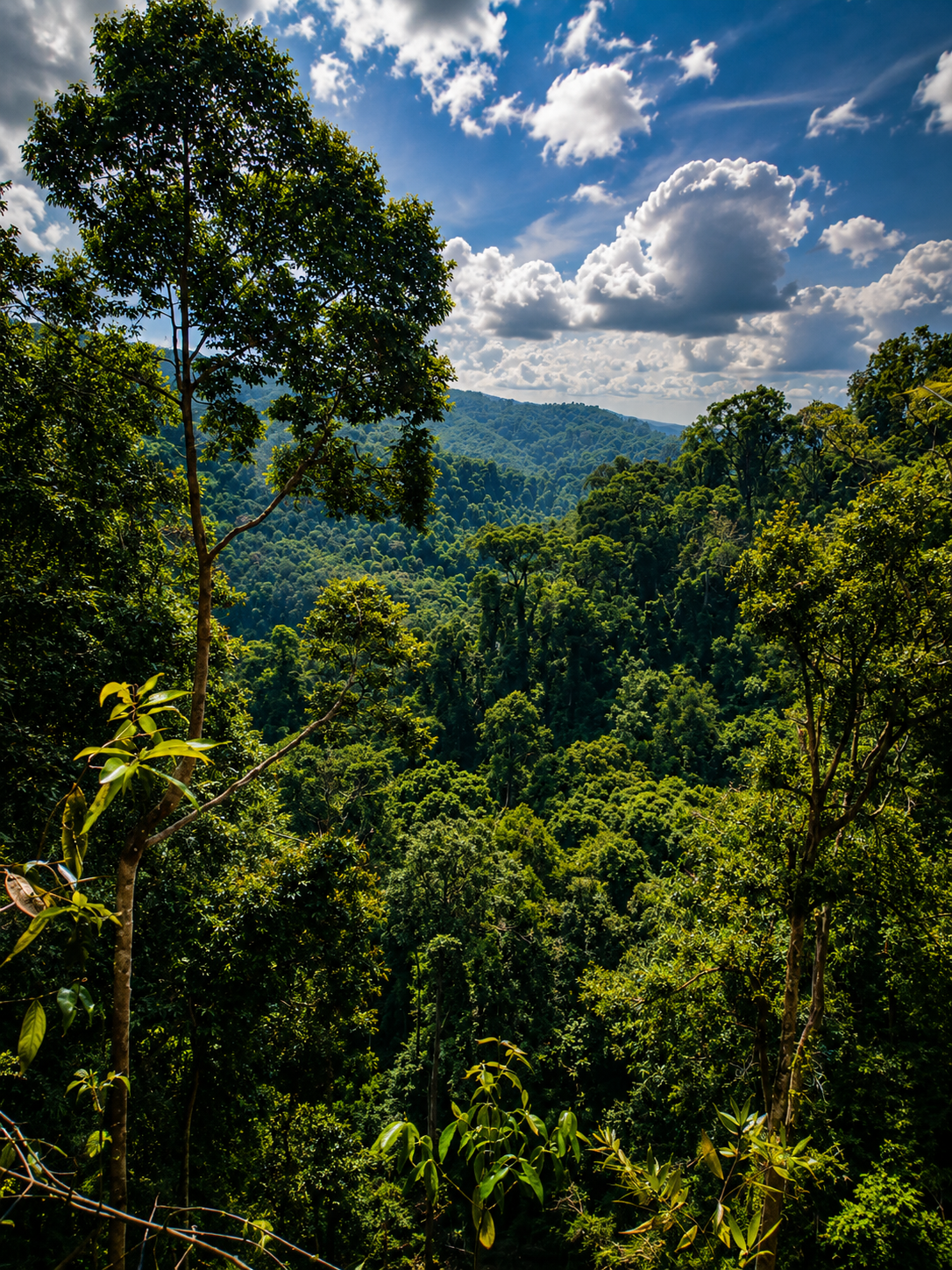
Bukit Lawang sits beside Gunung Leuser National Park in North Sumatra, one of the last strongholds of the Sumatran orangutan. Trekking here is not a zoo visit and should never feel like one.
You enter a living rainforest with a certified local guide , follow the park rules, and observe wildlife from a respectful distance.
That distinction matters. Sumatran orangutans are critically endangered, and their forest habitat needs protection. Responsible trekking supports the value of keeping the rainforest standing while creating local work for guides, drivers, cooks, lodging partners, and village businesses.
The orangutan is only part of the story.
Thomas leaf monkeys, macaques, hornbills, monitor lizards, butterflies and countless smaller forest species can turn every trek into a completely different experience.
Best Time to See Sumatran Orangutans in Bukit Lawang
The best overall period for Bukit Lawang orangutan trekking is generally June through September. This is commonly called the dry season, although tropical rain can still arrive at any time.
Rainfall is usually lower, trails tend to be less muddy, and river conditions are often more predictable than during wetter periods.
June – September
Drier Season
Usually the easiest period for first-time jungle visitors.
- Generally less muddy trails
- Good for families and first-time trekkers
- Better conditions for photography
- Practical for overnight jungle camping
- More international visitors
October – May
Wetter Season
A greener, quieter and often more atmospheric experience.
- Lush rainforest landscapes
- Quieter trekking routes
- More rain and humidity
- Muddier, more slippery trails
- Excellent for travelers who enjoy solitude
For first-time trekkers, families, and travelers planning a one-day or multi-day trek, those practical differences can be significant. Jungle paths include roots, slopes, and uneven ground.
The drier months also tend to bring better photography conditions. Brighter breaks in the canopy and lower humidity can help with wildlife photography , although rainforest photography always requires patience.
June through September is also a popular international travel period, so arranging trekking and accommodation early is wise, particularly for overnight jungle camping .
What the dry season does not guarantee
Even in the best trekking months, wildlife sightings cannot be guaranteed. Orangutans range freely through the forest, weather patterns vary, and fruit availability can influence where animals feed during the day.
Ethical guides do not promise a particular animal, a close encounter, or a perfect photograph.
Visiting During the Rainy Season: October to May
The rainy season in Bukit Lawang is not a reason to stay away. From October through May, showers are more frequent, trails can become slippery, and humidity is often intense.
Yet rain is what keeps Gunung Leuser’s rainforest alive, and it can make the landscape feel especially rich and atmospheric.
Rain does not always mean rain all day.
Many tropical showers arrive in bursts. A morning may begin with blue sky, followed by rain after lunch and mist rising through the forest later in the day.
A proper rain jacket, waterproof bag cover, and footwear with dependable grip make a major difference.
The biggest advantage of the wetter months is often the atmosphere. Visitor numbers can be lower, which may mean quieter trekking routes and more flexibility with accommodation and tour dates.
Rain can add complexity to overnight trips. Campsites, river crossings, and route choices depend on current conditions, so listen closely to your guide’s advice.
Which Month Fits Your Travel Style?
June – September
Best all-around choice for easier trekking, families, photography and multi-day jungle adventures.
October – December
Greener rainforest and generally fewer visitors, with wetter and more variable conditions.
January – March
Good for independent travelers who enjoy quieter trails and do not mind rain or mud.
April – May
A useful middle ground with lush forest and changing weather before the drier months.
Choose the Right Trek, Not Just the Right Month
Your trek length should match your fitness, interests, and comfort level. Longer does not automatically mean better.
3 Hours
Gentle Introduction
A good first jungle experience for families, beginners or travelers with limited time.
Half / Full Day
More Time for Wildlife
A slower pace gives more time to observe the forest and enjoy a deeper jungle experience.
Multi-Day
Full Rainforest Immersion
Jungle camping, river time and mornings surrounded by the sounds of Gunung Leuser.
Night Trek
A Different Jungle
Not designed for orangutan viewing, but excellent for frogs, spiders, insects and nocturnal forest life.
Share mobility concerns, medical needs, dietary requirements, and experience level before booking so your guide can recommend the most suitable adventure.
How to Trek Responsibly Around Wild Orangutans
The quality of an orangutan encounter depends on how visitors behave. These are wild, critically endangered great apes, and every encounter should happen on their terms.
Stay with your certified guide
Keep a respectful distance
Never touch or feed orangutans
Do not call or attract wildlife
Never block an animal's path
Carry all rubbish out of the forest
Tell your guide if you feel unwell
Let the rainforest set the pace
There Is No Wrong Season to Experience Bukit Lawang
Choose June to September for generally drier weather and easier trekking, or visit during the wetter months for a quieter, greener rainforest experience. Whenever you travel, go with certified local guides, respect the wildlife, and allow the forest to decide what each day brings.