Info@bukitlawangtravel.com

Planning Your First Trip to Bukit Lawang
Planning your first trip to Bukit Lawang? Learn routes from Medan, ethical orangutan trekking, packing tips, timing, and what to expect in the rainforest.

First-Time Visitor Guide · North Sumatra
Your First Trip to Bukit Lawang
Everything you need to know before visiting the rainforest, meeting its wildlife, and experiencing one of North Sumatra's most memorable destinations.
Planning your first trip to Bukit Lawang? Prepare for a destination where the road ends near a river, the forest begins just beyond the village, and a morning walk can bring you face-to-face with one of the world's most remarkable great apes. This is not a zoo visit or a quick photo stop. Bukit Lawang is a gateway to living rainforest, and the best trips balance excitement with respect for the wildlife and local community that make this place special.
Set beside the Bohorok River in North Sumatra, Bukit Lawang is best known for responsible orangutan trekking in and around Gunung Leuser National Park. It also offers the kind of slower travel many visitors hope to find in Indonesia: riverside meals, warm local hospitality, jungle sounds after dark, and days shaped more by weather and nature than a packed itinerary.
⌖
Location
North Sumatra, Indonesia
↗
From Medan
Around 3–4 hours
◉
Main Experience
Ethical orangutan trekking
☂
Best Known For
Rainforest & wildlife
01
Where Bukit Lawang Is and Why It Feels Different
Bukit Lawang lies about 90 kilometers northwest of Medan, North Sumatra's largest city. Although the distance may look short on a map, the drive usually takes three to four hours from central Medan. Traffic, road conditions, village crossings, and weather all affect the journey, so it is wise to avoid planning a tight connection on the same day.
The village sits beside the Bohorok River at the edge of the wider Leuser ecosystem. This is one of Southeast Asia's most important rainforest landscapes, home to critically endangered Sumatran orangutans as well as Thomas leaf monkeys, long-tailed macaques, hornbills, monitor lizards, and an extraordinary range of insects and plants.
Bukit Lawang is not a polished resort town, and that is part of its character. Expect footpaths, bridges, uneven ground, occasional power or Wi-Fi interruptions, and tropical weather that can change quickly. In return, you get a place where the rainforest is not a backdrop. It is the reason the village exists.
02
How to Travel From Medan to Bukit Lawang
Most international travelers arrive through Kualanamu International Airport, then continue toward Bukit Lawang either directly or after a night in Medan. From the airport, the trip is roughly 120 kilometers and generally takes four to five hours. A direct transfer is a practical choice if your flight lands early enough and you would rather wake up close to the jungle than spend time in the city.
Most Comfortable
Private Transfer
Usually the easiest option for couples, families, travelers carrying larger luggage, or anyone arriving after a long flight. Pickup can be arranged directly from the airport or your hotel.
Budget Friendly
Shared Tourist Transport
Popular with solo travelers and backpackers. It costs less, although pickup and departure times can be less flexible and additional stops may be required.
Lowest Cost
Public Bus
Best for adventurous travelers who prioritize price over convenience. Routes can require transfers and travel times can be unpredictable.
Private transfer: the easiest first-trip option
A private car transfer is usually the most comfortable option for couples, families, travelers carrying larger luggage, or anyone arriving after a long flight. You can arrange pickup from the airport or your Medan hotel, choose a departure time that suits you, and travel directly to your accommodation in Bukit Lawang in an air-conditioned vehicle.
It costs more than shared transportation, but the value is often in the details: no searching for terminals, no confusing connections, and no need to navigate local transport when you are tired. For groups, splitting the cost can make a private transfer especially worthwhile.
Shared tourist transport: social and budget-friendly
Shared cars and minibuses are a popular choice for solo travelers and backpackers. They are typically less expensive than a private vehicle and can be a pleasant way to meet other travelers heading to the village. The trade-off is flexibility. Pickup times may be fixed, departure can depend on passenger numbers, and stops along the route are more likely.
Book ahead during busy periods, particularly June through September and around major holiday travel dates. Confirm the pickup location, luggage allowance, and whether the service goes directly to your guesthouse.
Public bus: cheapest, but least straightforward
Local buses can be an adventure in their own right, but they are not the simplest choice for first-time visitors. Routes may require transfers, timing can be unpredictable, and comfort varies. Choose this option if saving money matters more than convenience and you are comfortable adapting your plans on the day.
If you are coming from Berastagi, allow around four hours. From Lake Toba, expect a longer travel day of roughly seven to eight hours, depending on your departure point and traffic. Many visitors choose to break up a wider Sumatra itinerary with private transport because it makes these overland connections far less stressful.
03
What to Expect When You Arrive
Bukit Lawang moves at a gentler pace than Medan. Most accommodations, cafés, and small shops are clustered along the river and connected by walking paths. You can spend an afternoon swimming in calmer sections of the Bohorok River, enjoying Indonesian food, or simply watching the water from a riverside terrace.
Respect the river. Water levels can rise quickly after heavy rain and currents can be strong. Follow local advice, especially when traveling with children.
Choose established river activities and guides who assess conditions rather than treating every day as suitable for rafting or tubing.
Internet access is available at many accommodations, but do not rely on it for urgent work or high-bandwidth calls. Bring cash in Indonesian rupiah, as ATM access can be limited and card acceptance is not universal. A local SIM or eSIM arranged before leaving Medan can make arrival and onward coordination easier.
04
Orangutan Trekking in Gunung Leuser National Park
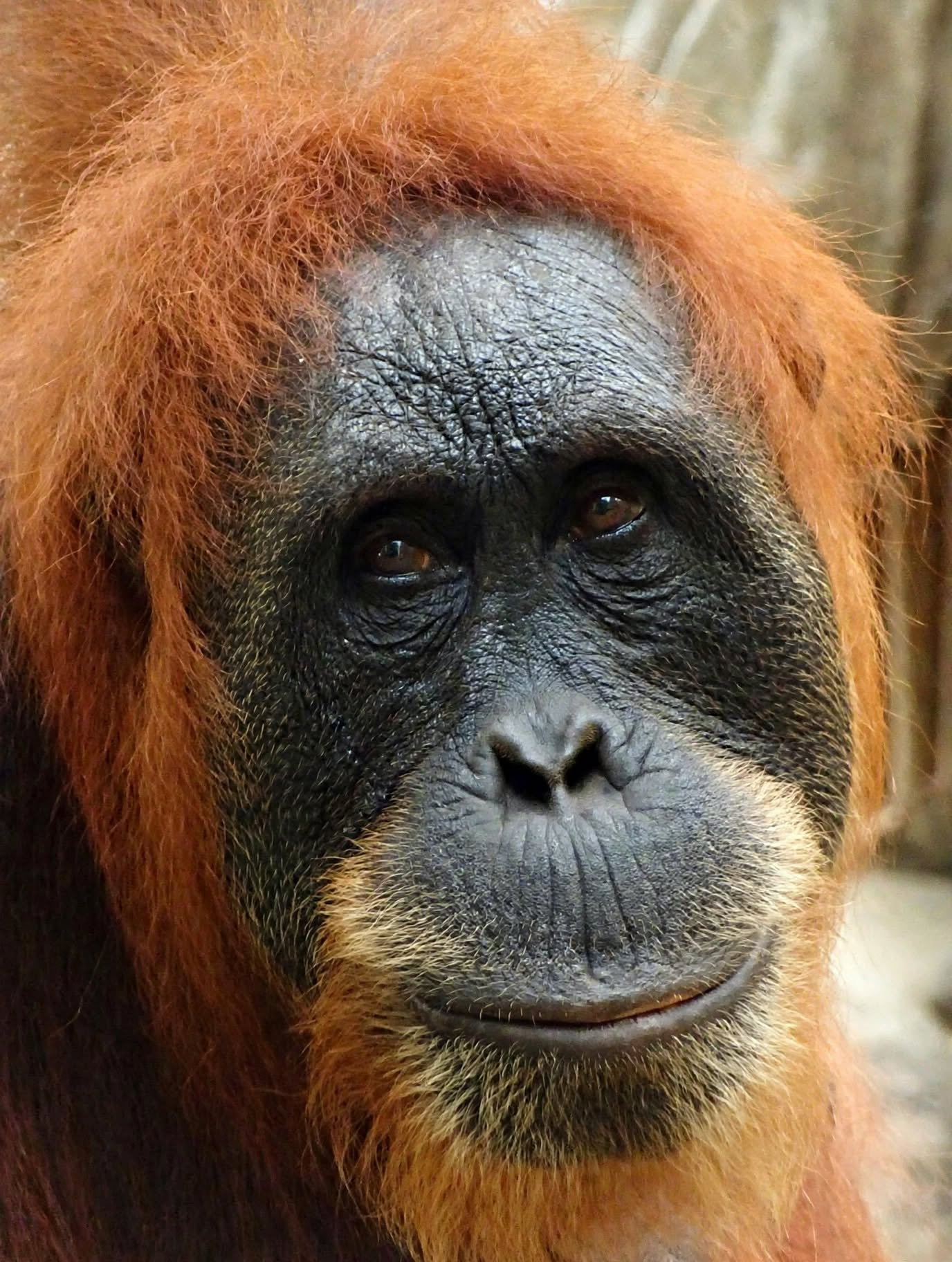
Seeing a Sumatran orangutan moving through its forest home is the moment many travelers remember most. A responsible trek is not about chasing a guaranteed encounter. It is about entering the forest with a trained local guide, learning to read its signs, and giving animals the space to behave naturally.
Wildlife sightings can never be promised. Orangutans range freely, weather affects movement, and every trek is different. That uncertainty is part of what makes a sighting meaningful. You may also encounter Thomas leaf monkeys with their distinctive white sideburns, pig-tailed macaques, gibbons calling from the canopy, or colorful birds that are easy to miss without a guide's trained eye.
Responsible Wildlife Trekking
Choose an operator that follows ethical wildlife practices. Wildlife should always be observed with respect.
- Maintain a safe distance
- Never feed orangutans
- Never touch wildlife
- Do not block an animal's path
- Keep noise levels low
- Never encourage close-up posing
Choose a trek that matches your fitness and time
A shorter three-hour or half-day walk is a strong introduction for families, cautious hikers, or travelers with limited time. A full-day trek gives you more time in the forest and a better sense of the terrain, which can include steep slopes, roots, mud, and humid conditions.
For a deeper experience, two-day and multi-day expeditions include simple jungle camping and long hours away from the village. These trips are memorable, but they are not luxury camping. Expect basic sleeping arrangements, a cooler river wash, and weather-dependent conditions. Good guides make the experience safe and rewarding, but you should be honest about your fitness, mobility needs, and comfort level before booking.
Bukit Lawang Travel works with certified local guides and can help visitors choose an ethical trek length that fits their group, from family-friendly walks to longer rainforest expeditions.
05
When to Go and What to Pack
Bukit Lawang is a year-round destination. June through September is often favored for trekking because trails may be less slippery and rain can be less frequent. This does not mean dry days are guaranteed. Sumatra is tropical, and rain is possible in every month.
The wetter months can bring muddier trails and heavier downpours, but they also offer lush forest, fewer visitors, and excellent wildlife activity. If you travel during this period, build flexibility into your schedule and bring a proper rain layer rather than relying on an umbrella.
✓
Light breathable clothing
✓
Shoes with reliable grip
✓
Insect repellent
✓
Sunscreen & hat
✓
Reusable water bottle
✓
Small daypack
✓
Waterproof phone pouch
✓
Proper rain layer
Pack light, breathable clothing that you do not mind getting muddy. Shoes with reliable grip matter more than stylish hiking gear. Sandals can work for short village walks, but closed-toe trail shoes are usually the better choice for a full jungle day. Bring insect repellent, sunscreen, a hat, a reusable water bottle, a small daypack, and dry bags or waterproof pouches for your phone and camera.
For an overnight trek, ask your guide exactly what is provided before packing. Most operators supply key camping equipment and meals, but personal items such as medication, a headlamp, spare socks, and a small quick-dry towel are worth bringing. Avoid strong perfume and keep snacks packed away so they do not attract curious monkeys.
Make Your Visit Matter
Bukit Lawang depends on a healthy forest, responsible guiding, and visitor spending that supports local families. Your choices have a real effect. Stay with locally connected accommodations, hire trained local guides, refill your water bottle when possible, carry out what you bring in, and treat the village as a community rather than a theme park.
Leave an extra morning after your trek if your schedule allows. The jungle can be physically demanding, and a slow riverfront breakfast gives you time to absorb what you have seen before continuing to Lake Toba, Berastagi, or your next stop in Sumatra.
The best first trip to Bukit Lawang is not the one with the most activities squeezed into it. It is the one that gives the rainforest, its wildlife, and its people the attention they deserve.