Info@bukitlawangtravel.com

Full-Day Jungle Trekking in Bukit Lawang Leuser Park
Plan a full-day jungle trek in Bukit Lawang's Leuser National Park: ethical wildlife viewing, what to pack, and local guidance for a meaningful trip today.
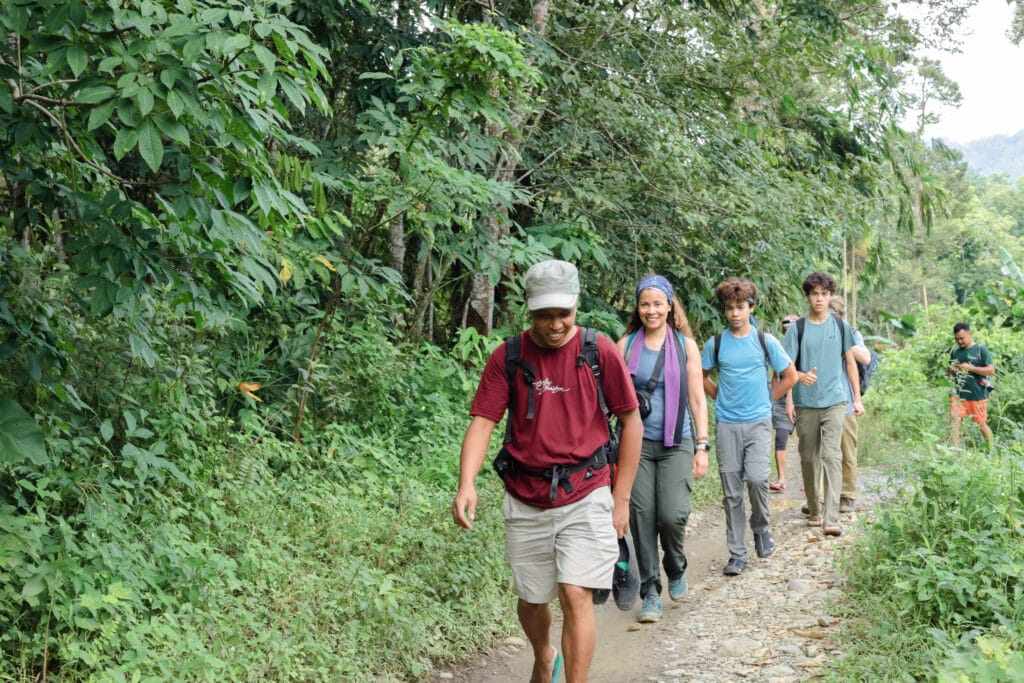
The rainforest does not run on a schedule. An orangutan may appear in the first hour, quietly moving through the canopy with her young, or remain hidden all day. That uncertainty is part of what makes a full-day jungle trek in Bukit Lawang, Leuser National Park, Sumatra so special. You are entering a living forest, not a wildlife show, with time to slow down, listen carefully, and experience the landscape on its own terms.
A full-day trek is a strong choice for travelers who want more than a short introduction to the jungle but do not have the time, gear, or appetite for an overnight expedition. It combines a meaningful amount of hiking, ethical opportunities to look for orangutans and other wildlife, a simple jungle lunch, and the guidance of people who know these forest trails intimately.
What a Full-Day Jungle Trek in Bukit Lawang Feels Like
Most full-day treks begin in the morning, when the air is still cool and the forest is at its liveliest. After meeting your certified local guide and going over the route, safety expectations, and wildlife rules, you leave the village edge and enter the dense lowland rainforest around Gunung Leuser National Park.
The trail is rarely flat for long. Expect roots, leaf-covered slopes, muddy sections after rain, and short climbs that can feel demanding in the tropical humidity. This is not a polished hiking path. It is a real rainforest environment, and that is exactly why a guide matters. They choose a route suited to the group, read changing trail conditions, and help you move carefully through the forest.
There are pauses throughout the day, but they are not just rest stops. Your guide may point out fruiting trees, animal calls, medicinal plants, giant forest ants, unusual fungi, or signs of recent wildlife activity. A full-day format gives you room to notice these details rather than rushing from one potential orangutan sighting to the next.
The pace can be adapted. Active couples and experienced hikers may prefer longer climbs and more distance, while families or first-time trekkers can take a steadier route with frequent breaks. Be honest about your fitness level before the trek. A good day in the jungle should feel adventurous, not like a race to keep up.
Ethical Orangutan Encounters Come First
Bukit Lawang is known around the world for orangutans, but responsible trekking means understanding that a sighting is a privilege, never a guarantee. Wild and semi-wild orangutans move freely through a large forest landscape. Their behavior, feeding patterns, and daily routes change with the seasons.
When orangutans are nearby, ethical guides keep the group calm, quiet, and at a respectful distance. Guests should never touch an orangutan, offer food, call to them, or move closer for a photograph. Human illness can be dangerous for great apes, and feeding changes natural behavior. The most memorable encounter is one where the animal remains free to choose where it goes and how long it stays.
You may also see Thomas leaf monkeys, long-tailed macaques, pig-tailed macaques, monitor lizards, hornbills, colorful butterflies, or hear gibbons calling across the canopy. Some days, the forest offers many visible animals. On others, the greatest reward is the feeling of being surrounded by ancient trees, birdsong, and the constant movement of life you cannot always see.
If you have cold, flu, fever, or stomach illness symptoms, tell your operator before trekking. Postponing a wildlife trek can be disappointing, but protecting orangutans and fellow travelers is the responsible choice.
How Long Is the Trek and How Hard Is It?
A full-day jungle trek generally involves around six to eight hours from departure to return, including breaks, wildlife observation, and lunch. Actual hiking time varies with trail conditions, group pace, and how long the group spends watching animals.
Fitness matters more than technical hiking experience. You do not need to be a mountaineer, but you should be comfortable walking for several hours in heat and humidity and managing uneven ground. Trails can become slippery quickly after rain. Knees, ankles, and balance often get more of a workout than visitors expect.
For many travelers, the hardest part is the climate. North Sumatra’s rainforest is warm, humid, and frequently wet. Take your time, drink regularly, and ask for a break when you need one. Certified local guides are there to lead, but they are also there to make the day safer and more enjoyable for everyone.
A full-day trek may not be the best fit if you have limited mobility, a recent injury, or a strong discomfort with steep, muddy terrain. In that case, a shorter guided walk can still offer a rewarding, conservation-minded introduction to the forest.
What to Bring for a Comfortable Day in the Rainforest
Packing light is wise, but a few practical items make a major difference. Wear lightweight clothing that you do not mind getting damp or muddy. Long pants are usually more comfortable than shorts for protecting your legs from vegetation and insects. Sturdy closed-toe shoes with good grip are essential. Hiking shoes are ideal, though well-tread sneakers can work in drier conditions.
Bring a reusable water bottle, sunscreen for the walk to and from the trail, insect repellent, and a small rain jacket or poncho. A dry bag or waterproof pouch will protect your phone and camera during sudden rain. A small personal first-aid kit is useful if you have specific needs, although guides carry basic safety equipment.
For photography, keep expectations realistic. The forest is dim beneath the canopy, wildlife can move quickly, and the best moments are often brief. Put the camera down sometimes. Watching an orangutan build momentum through the trees or hearing a gibbon call is more powerful when you are fully present.
Avoid bringing disposable plastic, noisy speakers, or unnecessary valuables. Every item carried into the jungle should come back out with you.
Lunch in the Jungle Is Part of the Experience
A simple lunch break in the forest gives the day a different rhythm. After several hours on the trail, sitting together beneath the trees and sharing fresh food feels wonderfully removed from normal travel routines.
Your guide will select a suitable resting place while keeping wildlife distance and park care in mind. Food should be packed responsibly, and all wrappers, fruit peels, and other waste must leave with the group. Even biodegradable food scraps do not belong on the trail because they can attract animals and alter their feeding habits.
This is often when guests ask the questions that do not fit into a fast-paced tour: how local families have lived alongside the forest, what conservation work looks like in practice, why ethical guiding standards matter, and how tourism can support the village rather than simply pass through it.
Why Local, Certified Guides Make the Difference
The jungle can look similar in every direction to a first-time visitor. Local guides see a far richer map. They recognize seasonal fruit trees, listen for alarm calls, know where footing becomes risky, and understand how to behave around wildlife without causing pressure or disturbance.
Choosing a locally based operator also means your visit can create direct value in Bukit Lawang. Guiding, transport, accommodation, food preparation, and community activities all support local livelihoods when arranged responsibly. This is one reason Bukit Lawang Travel focuses on certified guides, ethical wildlife practices, and experiences that respect both the national park and the people who call this area home.
Responsible tourism is not only about what you avoid doing. It is also about who benefits from your trip, whose knowledge leads the experience, and what kind of visitor behavior you choose to support.
Before You Commit to a Full Day
Ask about the planned duration, inclusions, group size, guide certification, lunch arrangements, and return options. Some full-day routes finish with a walk back toward the village, while others may include a river route depending on conditions and the agreed itinerary. Weather can change plans, and a responsible operator will always prioritize safety over sticking rigidly to a schedule.
It is also worth thinking about what you want from your time in Sumatra. If one full day leaves you wanting more, a two-day or longer expedition allows you to reach deeper forest areas and spend a night in the jungle. If this is your first rainforest experience, though, one well-guided full day is often the sweet spot: enough challenge to feel accomplished, enough time for meaningful wildlife observation, and enough comfort to return to the village with stories still settling in.
Come prepared to get muddy, be patient, and follow your guide’s lead. The forest will not promise a perfect photograph, but it can offer something better: a day spent respectfully in one of the world’s most important rainforest homes.