Info@bukitlawangtravel.com

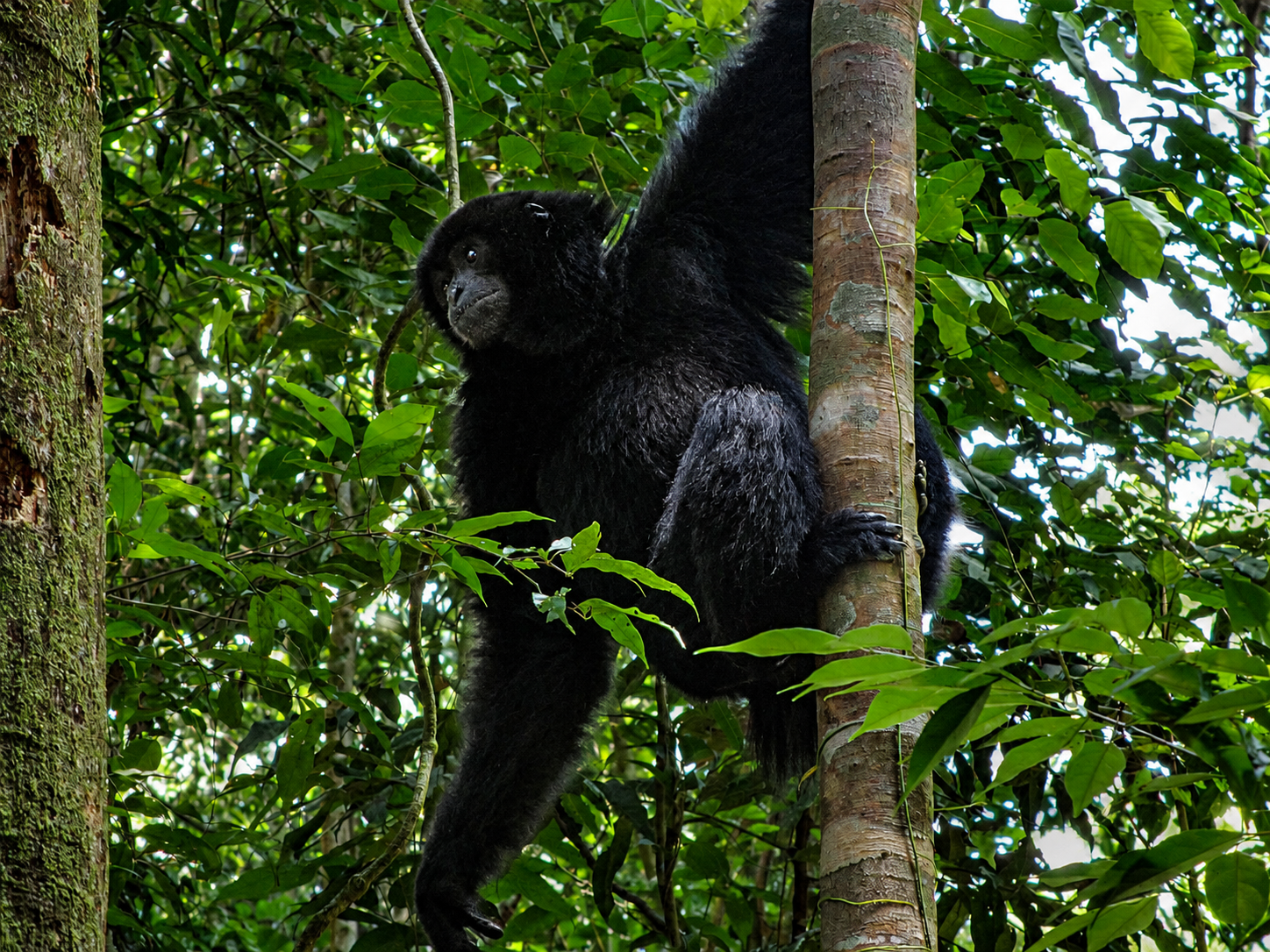
Sumatran Orangutans and Wildlife in Sumatra
Meet Sumatran orangutans and wildlife in Sumatra responsibly, with practical insight on rainforest species, ethical trekking, and planning your visit.

A Sumatran orangutan can spend most of its life high above the forest floor, moving carefully through branches that look impossibly thin from below. Seeing one in its natural habitat is unforgettable, but it is not a performance. Sumatran Orangutans and Wildlife in Sumatra are part of a living rainforest system, and the best encounters happen when visitors enter that system quietly, patiently, and with respect.
North Sumatra offers one of the world’s most meaningful opportunities to see wild orangutans. Around Gunung Leuser National Park, rainforest trails lead through a landscape of towering trees, vines, streams, and constant birdsong. Every trek is different. Some guests spot an orangutan within the first hour; others spend longer looking, then come away with sightings of gibbons, hornbills, or a brilliant blue kingfisher instead.
That uncertainty is part of what makes ethical wildlife travel worthwhile. The jungle does not work to a schedule, and no responsible guide should promise a particular animal on demand.
Why Sumatran Orangutans Matter
Sumatran orangutans are one of the rarest great ape species on Earth. They are critically endangered, with their remaining habitat concentrated in northern Sumatra. Forest loss, fragmentation, illegal wildlife trade, and human-wildlife conflict have all put intense pressure on their populations.
Orangutans are also essential to the health of the forest. They eat fruit across a wide home range and disperse seeds through the rainforest. In simple terms, the forest helps orangutans survive, and orangutans help the forest regenerate. Protecting them means protecting watersheds, carbon-rich forests, and countless other species that share the same habitat.
Their name comes from the Indonesian and Malay words orang hutan, often translated as “person of the forest.” It is a fitting description. Orangutans are intelligent, observant, and highly individual animals. Adult males may be recognized by their large cheek pads, known as flanges, while females travel with infants that remain dependent on them for years. A mother and young orangutan moving through the canopy can be one of the most moving scenes a visitor will ever witness.
Wildlife in Sumatra Is Far Bigger Than One Species
Orangutans may be the reason many travelers first consider Sumatra, but the rainforest experience becomes richer when you notice everything else around you. The forest is layered from the leaf litter to the tallest canopy, and each level supports different life.
In the trees, visitors may see Thomas’s langurs, a striking monkey found only in northern Sumatra, or long-tailed macaques traveling in lively groups. White-handed gibbons are often heard before they are seen. Their calls can carry through the valley in the early morning, sounding almost like a wild chorus across the treetops.
Birdlife brings another dimension to a trek. Great hornbills and rhinoceros hornbills may pass overhead with the heavy beat of their wings. Drongos, barbets, kingfishers, and broadbills add flashes of color and sound. On the ground, guides may point out forest crabs, giant millipedes, lizards, butterflies, and the tracks or calls of animals that stay out of view.
Sumatra is also home to tigers, elephants, sun bears, clouded leopards, and the Sumatran rhinoceros. These animals are extraordinarily rare and elusive in the areas most visitors trek. A responsible trip does not market them as likely sightings. Their presence matters because it shows the wider ecological value of protected rainforest, not because they should be chased for a photo.
What a Responsible Orangutan Encounter Looks Like
The most ethical wildlife sighting is one where the animal remains in control. If an orangutan chooses to move away, feeds high in the canopy, or ignores the group completely, that is a successful encounter. The goal is observation, not interaction.
A good guide will help guests keep a respectful distance, usually at least 10 meters when conditions allow. This protects the animal’s space and reduces the risk of disease transmission. Orangutans are closely related to humans and can be vulnerable to human respiratory illnesses. If you are sick, have a fever, or are experiencing cold symptoms, postpone your trek rather than putting wildlife at risk.
Never feed, touch, call to, or try to attract an orangutan. Food changes natural behavior, creates dependency, and can make animals more likely to approach people. Touching wildlife is unsafe for both sides, even when an animal appears calm or familiar. Flash photography should be avoided, and a quiet group gives everyone a better chance to witness natural behavior.
Ethical trekking also means staying with your guide and following park rules. Trails can be steep, slippery, and confusing after rain. Certified local guides understand animal behavior, forest conditions, and the safest way to move through the landscape without causing unnecessary disturbance.
Choosing the Right Jungle Trek
You do not need to be an extreme adventurer to experience the Sumatran rainforest. The right trek depends on your time, fitness, comfort level, and interest in wildlife.
A shorter guided walk can suit families, first-time trekkers, or travelers with a full itinerary that includes Medan, Berastagi, or Lake Toba. It offers a focused introduction to the jungle while keeping the pace manageable. A night trek is a different experience entirely, centered on nocturnal sounds, insects, frogs, and the quiet atmosphere of the forest after dark.
For travelers who want more time away from roads and routines, multi-day expeditions allow the jungle to unfold gradually. You may walk deeper into the forest, camp by a river, and wake to the sounds of gibbons and hornbills. These trips require more stamina and a willingness to accept mud, humidity, basic camping conditions, and changing weather. The reward is not just more wildlife potential. It is the feeling of being present in the rainforest rather than simply passing through it.
Choose a trek that matches your real ability, not the version of yourself you imagine after watching an adventure video. A slower, well-paced trip is usually more enjoyable and more observant than pushing through exhaustion.
Prepare Well, Then Travel Lightly
Sumatra’s rainforest is hot, humid, and often wet, even in drier months. Lightweight long sleeves and long pants help protect against sun, insects, and scratches. Trail shoes with grip are more useful than stylish footwear, and a refillable water bottle is better than relying on single-use plastic.
Bring rain protection, insect repellent, sunscreen, personal medication, and a small dry bag for your phone and camera. Keep your pack light. You will appreciate every item less when climbing a muddy hill in high humidity.
For photography, set realistic expectations. Dense leaves, low light, and moving animals can make the perfect image difficult. A respectful sighting viewed with your own eyes is more valuable than a rushed photo taken too close. Your guide can advise where to stand, when to wait, and how to avoid blocking an animal’s path.
Travel That Supports the Forest and Its People
Wildlife conservation is not separate from local livelihoods. Communities around the rainforest need tourism that creates fair work without treating the jungle or its wildlife as a product. When travelers choose locally guided activities, locally owned accommodations, village visits, and responsible operators, more of their spending remains in the area.
This does not mean every trip is impact-free. Flights, transportation, and accommodation all have an environmental cost. The practical response is to travel thoughtfully: stay longer rather than rushing through, refill water bottles, reduce waste, respect local customs, and choose businesses that take wildlife welfare seriously in their daily operations.
Bukit Lawang Travel works with certified local guides and community-based experiences because the people who know this forest best should benefit from protecting it. Your visit can support a more responsible form of tourism when the experience is built around respect rather than spectacle.
Let the Rainforest Set the Pace
A jungle trek is not a checklist of animals. You may see an orangutan building a nest, hear gibbons calling through morning mist, watch a hornbill cross the canopy, or notice a tiny frog on a leaf after rain. You may also have quiet stretches where the forest seems hidden.
Stay curious during all of it. The real privilege of visiting Sumatra is not getting closer to wildlife than anyone else. It is leaving the forest with a deeper respect for the wild lives within it, and with the knowledge that your choices can help keep that forest standing.