Info@bukitlawangtravel.com

Orangutan Jungle Trekking Bukit Lawang Guide
Plan orangutan jungle trekking Bukit Lawang with ethical guides, practical packing advice, trek options, and respectful wildlife encounters in Sumatra.
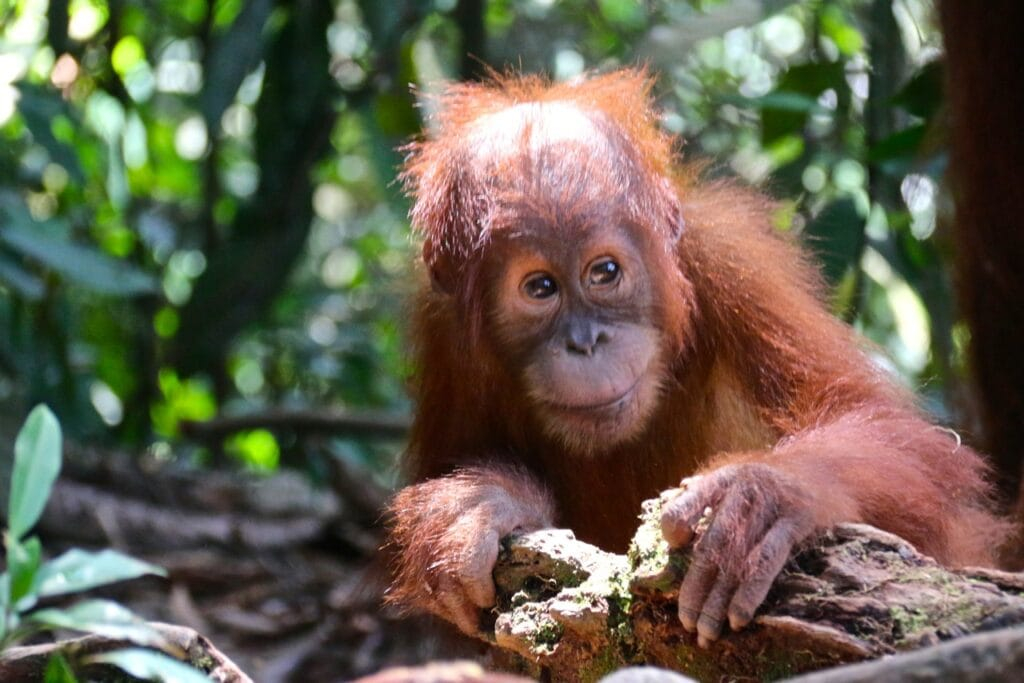
The first sound many guests remember from orangutan jungle trekking Bukit Lawang is not a camera shutter. It is the rainforest waking up: cicadas pulsing through the canopy, leaves shifting high overhead, and the sudden call of a Thomas’s leaf monkey across the valley. Then, if the forest is generous, you may see a wild orangutan moving through the trees with the quiet confidence of an animal perfectly at home.
Bukit Lawang sits beside Gunung Leuser National Park in North Sumatra, one of the last great rainforest landscapes where Sumatran orangutans still live in the wild. A trek here can be an exciting holiday highlight, but it is also an encounter with a critically endangered species and the community that helps protect its habitat. The right experience should feel adventurous, personal, and respectful from the first step on the trail.
Why Orangutan Jungle Trekking in Bukit Lawang Matters
This is not a zoo visit or a wildlife show. The jungle has its own schedule. Orangutans may appear close to a trail, high in the canopy, or not at all during a particular walk. That uncertainty is part of what makes a responsible rainforest encounter meaningful. You are entering their home, not arriving for a performance.
Bukit Lawang is especially well suited to travelers who want more than a quick photo opportunity. Local certified guides read the forest through sound, fresh feeding signs, broken branches, and animal calls. They can help you notice the details that are easy to miss at first: a pig-tailed macaque moving through the undergrowth, a monitor lizard near a stream, giant ants crossing a root, or a hornbill flying above the canopy.
Choosing a locally guided trek also keeps visitor spending in the village. Guides, drivers, cooks, porters, small accommodations, and family-run businesses all play a part in making tourism work for Bukit Lawang. When travel supports local livelihoods, there is a stronger shared reason to protect the forest for the future.
Choose Your Bukit Lawang Trek
There is no single best trek length. The right choice depends on your fitness, available time, comfort level, and how deeply you want to experience the rainforest.
A short trek for first-time visitors and families
A three-hour or half-day walk is a good choice for families, travelers with limited time, or anyone who wants a gentle introduction to the jungle. Trails can still be uneven, humid, and occasionally steep, but the pace is more manageable. You have time to look for wildlife, learn about the forest, and return to Bukit Lawang for a shower and a relaxed evening by the river.
Shorter walks are not “less real.” They are often the most sensible option for young children, people adjusting to Sumatra’s heat, or visitors who prefer to pair a jungle experience with Lake Toba, Berastagi, or another part of a wider itinerary.
A full-day trek for a deeper forest experience
A full-day trek gives your guide more time to move beyond the busiest access points and adapt to wildlife conditions. Expect humid trails, roots, slopes, mud after rain, and regular stops to observe animals or catch your breath. A good guide sets a pace that works for the group rather than rushing through the forest to chase sightings.
This option often suits active couples, friend groups, and independent travelers who want a substantial day outdoors without camping overnight.
Overnight and multi-day jungle expeditions
For travelers who want to sleep in the rainforest, an overnight trek changes the rhythm completely. You may hear gibbons in the morning, walk through quieter sections of forest, and spend the evening at a simple jungle campsite near a river. Meals are prepared by the team, while sleeping arrangements are basic but carefully organized for comfort and safety.
Multi-day expeditions can extend from two nights to longer journeys of up to seven days. They are rewarding for confident outdoor travelers, but more days do not automatically mean more wildlife. Rain, trail conditions, group energy, and season all matter. Choose a longer expedition because you want time in the forest itself, not because you expect guaranteed orangutan encounters every hour.
What Ethical Wildlife Trekking Looks Like
Responsible tourism is not an extra feature. It is the foundation of a good orangutan trek.
A professional guide keeps a respectful distance from wildlife and will never encourage guests to touch, feed, call to, or block an animal. Orangutans can carry diseases that humans transmit, and close contact changes their natural behavior. Visitors who feel unwell should postpone their trek, particularly if they have a cough, fever, or other contagious symptoms.
Food should stay packed away when wildlife is nearby. Monkeys are clever and fast, and feeding them can make them dependent, aggressive, and more likely to approach future visitors. Your guide may ask the group to move quietly, step back, or wait while an animal crosses the trail. Those moments are not interruptions. They are exactly what respectful forest travel requires.
It also means leaving no trace. Carry reusable water bottles where possible, avoid disposable plastics, and take every piece of waste back out of the jungle. Keep soap, shampoo, and insect repellent out of rivers and streams. Small choices matter in a rainforest ecosystem that supports countless plants, insects, birds, reptiles, and mammals beyond the animals most visitors come to see.
What the Trail Is Really Like
Bukit Lawang’s jungle is beautiful, but it is not a paved nature path. The weather is warm and humid year-round. Rain can arrive quickly, turning a dry slope slippery and making roots, rocks, and clay more challenging underfoot. Some sections require careful footing, a helping hand, or a pause to catch your breath.
You do not need to be an elite athlete, but you should be honest about your mobility and fitness when booking. A locally based operator can recommend a route and duration that fits your group. Tell them if you have knee concerns, asthma, medical needs, young children, or little hiking experience. This is useful information, not something to hide.
Wear lightweight clothes that you do not mind getting muddy, along with sturdy trail shoes or hiking sandals with secure grip. Bring a refillable water bottle, sunscreen, a rain layer, insect repellent, and a small dry bag for your phone and camera. Long socks can be useful in muddy conditions. Keep your daypack light, because every extra item feels heavier in tropical humidity.
Plan the Journey Beyond the Jungle
Most international visitors begin their trip through Medan, North Sumatra’s largest city. From there, the road journey to Bukit Lawang takes several hours depending on traffic and conditions. Private transport is often the easiest option after a long flight, especially for families or groups traveling with luggage. It also gives you the freedom to plan a comfortable pickup time and stop if needed.
Arrive at least one day before your trek if your schedule allows. A night in Bukit Lawang gives you time to settle in, meet your guide, check your gear, and begin the trek rested rather than stepping straight from a vehicle onto a humid trail. After your jungle adventure, many travelers continue to Lake Toba or Berastagi, turning a single wildlife experience into a fuller North Sumatra journey.
Bukit Lawang Travel is family-owned and locally based, with certified guides who can help match your available time and travel style to an ethical trek format. Clear arrangements before arrival make the experience feel relaxed while leaving room for the unexpected moments that make the jungle special.
Let the Forest Set the Pace
The best jungle days are rarely the ones with the longest wildlife checklist. They are the days when a group falls quiet as an orangutan builds a nest overhead, when a guide points out a tiny creature no one else had seen, or when rain begins tapping the leaves and the whole forest changes its voice.
Come prepared, choose a trek that suits your body and schedule, and give wildlife the space it deserves. The forest does not need visitors to conquer it. It needs thoughtful guests who are ready for an adventure that matters.