Info@bukitlawangtravel.com

Gunung Leuser National Park Trekking Guide
Plan an ethical Gunung Leuser National Park trekking trip with clear advice on guides, wildlife, trek lengths, packing, safety, and Bukit Lawang travel.
A wild orangutan moving through the canopy is one of Sumatra’s unforgettable sights, but it is not a moment that should be chased, fed, or staged. Gunung Leuser National Park trekking is at its best when it feels like a true rainforest experience: humid, muddy, full of surprises, and guided with respect for the animals and the people who live beside this forest.
For many travelers, Bukit Lawang is the starting point. This riverside village sits beside one of the world’s most important remaining habitats for the critically endangered Sumatran orangutan. A trek here is more than a wildlife outing. Done responsibly, it supports local guiding livelihoods, encourages forest protection, and gives visitors a closer understanding of why this landscape matters.
What Makes This Trek Different
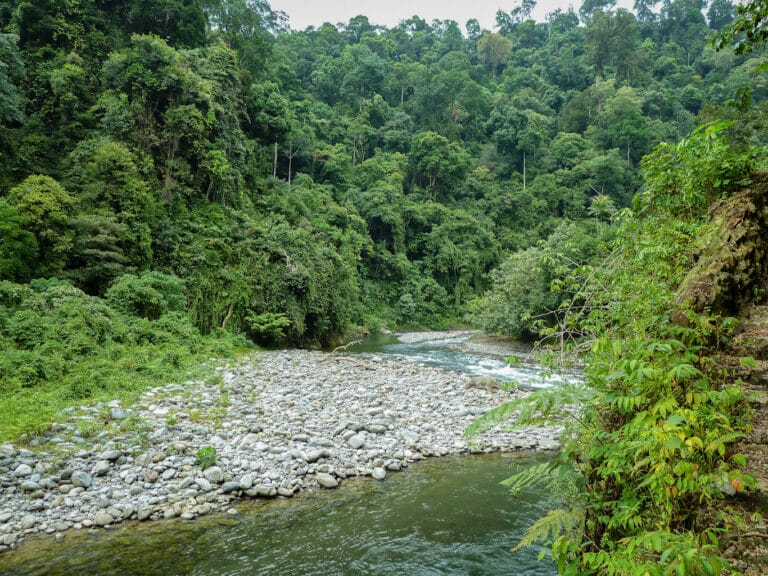
Gunung Leuser is not a manicured wildlife park with paved paths and guaranteed sightings. The rainforest is steep in places, the ground can be slick after rain, and the heat can surprise even fit travelers. That is part of its appeal. You are walking through a living forest where gibbons call overhead, hornbills cross the valley, macaques forage in the trees, and insects, fungi, and giant tropical leaves fill the forest floor.
Orangutans are the animal most guests hope to see, and Bukit Lawang’s surrounding forest offers a meaningful chance to encounter them. Still, wildlife cannot be scheduled. Some treks bring several sightings; on another day, the forest may offer only a distant movement high in the canopy. A good guide will make the whole walk worthwhile by reading signs, sharing local knowledge, identifying plants and calls, and helping you notice the smaller details most people would miss.
The right mindset is simple: come for the forest, not a checklist. That approach creates a better day for you and a safer environment for the wildlife.
Choose Your Gunung Leuser National Park Trekking Format
The best trek length depends on your fitness, time in Sumatra, and how deeply you want to experience the jungle. There is no prize for choosing the longest route. A well-matched trek is safer, more enjoyable, and far more likely to leave you with good memories rather than sore knees and a rushed exit.
A three-hour walk is a strong choice for families, travelers short on time, or anyone who wants a gentle introduction to the forest. You can learn about the ecosystem, look for wildlife, and return to Bukit Lawang with time to enjoy the village and river. It is also a sensible option for guests arriving after a long journey from Medan.
A full-day trek gives you more time away from the village edge and usually feels more immersive. Expect uneven ground, climbs and descents, a jungle lunch, and a fuller picture of how quickly the forest changes as you move through it.
An overnight or multi-day expedition is for travelers who want to slow down. Sleeping at a simple jungle campsite, hearing the forest shift after dark, and waking to birds and insects rather than traffic can be a remarkable experience. These trips require more stamina and a willingness to accept basic conditions. Camps are not hotels, and weather can change plans. In return, you get time, quiet, and a stronger connection to the landscape.
Night treks offer a different kind of adventure. They are not designed for orangutan viewing. Instead, they focus on nocturnal life such as frogs, insects, spiders, and the sounds that come alive after sunset. A careful guide, reliable lighting, and a calm pace are essential.
Why a Certified Local Guide Matters
Independent hiking may sound adventurous, but this is not the place to guess at routes or wildlife behavior. The forest is large, trails are not always obvious, and conditions can change quickly after heavy rain. Certified local guides bring route knowledge, first-aid awareness, and the judgment to adjust a trek when the weather, trail, or group needs change.
Just as importantly, local guides set the ethical standard. Responsible trekking means keeping a respectful distance from orangutans and other animals, never touching or feeding them, and never blocking their path. Human food can change animal behavior, while close contact can spread illness in either direction. Orangutans are closely related to us, which makes disease transmission a serious concern.
Your guide should also manage group behavior. That includes keeping voices low near wildlife, carrying out waste, avoiding single-use litter where possible, and choosing routes that minimize disturbance. If an animal comes close, the answer is not to move closer for a photo. Step back, stay calm, and let the animal decide where it wants to go.
At Bukit Lawang Travel, certified local guides lead treks with these principles at the center. The goal is not to manufacture a perfect social media moment. It is to help guests experience the jungle safely, responsibly, and with genuine local insight.
How Fit Do You Need to Be?
You do not need to be an elite hiker for a short jungle trek, but you should be comfortable walking on natural terrain. Expect roots, mud, narrow tracks, and occasional steep sections. Humidity makes every climb feel harder than it would at home, particularly for visitors arriving from cooler climates.
Be honest when choosing your route. Tell your guide about knee issues, asthma, recent injuries, medication, or concerns about heat. A responsible operator can recommend a suitable duration and pace. There is no shame in taking breaks. The jungle rewards people who look up, listen, and move steadily rather than rushing from one possible sighting to the next.
For multi-day trips, preparation helps. Walk regularly before your trip, including hills or stairs if possible. Good balance matters as much as speed. Trekking shoes with grip are helpful, although sturdy trail shoes can work well when conditions are dry. Avoid brand-new footwear that has not been broken in.
What to Pack for the Jungle
Pack light, but do not treat the rainforest casually. Wear lightweight clothing that covers your shoulders and legs, both for sun protection and to reduce scratches and insect bites. Quick-drying fabrics are more comfortable than cotton once you start sweating or rain arrives.
Bring a refillable water bottle, a rain jacket or poncho, sunscreen, insect repellent, personal medication, and a small dry bag for your phone and passport. A camera is welcome, but keep it secure and use the zoom rather than approaching wildlife. For longer treks, your operator will explain what camping equipment, meals, and shared supplies are included.
Leeches can be part of a wet-season walk. They are unpleasant for some people but usually harmless. Long socks or leech socks can offer peace of mind, and your guide can show you how to remove one safely. Do not let the possibility put you off. Rainforest trekking is real nature, not a sanitized attraction.
Weather, Seasons, and River Safety
Bukit Lawang is warm and humid year-round. Rain is possible in any month, so flexible expectations matter more than finding a supposedly perfect weather window. Trails may be muddier during wetter periods, while drier conditions can make walking easier but do not guarantee clear skies.
Heavy rain affects more than the trail. River levels can rise quickly, which matters for jungle exits, rafting, and riverside accommodation. Listen closely if your guide changes a route or recommends postponing an activity. This is not lost adventure. It is professional decision-making in a landscape where weather deserves respect.
Start early when possible. Morning temperatures are usually more comfortable, wildlife is often active, and you have more time to move at a relaxed pace. Keep your itinerary open enough that a weather adjustment does not spoil your wider Sumatra trip.
Make Your Visit Benefit Bukit Lawang
Responsible travel does not stop at the trailhead. Choose locally owned accommodation, eat in village restaurants, use local drivers, and join activities that keep visitor spending in the community. Bukit Lawang has more to offer than a single trek, from village walks and cooking experiences to cave visits, rafting, and longer journeys toward Lake Toba or Berastagi.
Small choices add up. Refill water instead of buying repeated plastic bottles. Do not leave waste on riverbanks. Ask before photographing people. Buy crafts directly from makers when you can. These are practical ways to travel with the same care you hope guides will show the forest.
A thoughtful trek does not promise a scripted encounter. It gives you something better: the chance to walk quietly in one of Sumatra’s great rainforests, meet the local people who know it best, and leave with your presence having helped protect what you came to see.