Info@bukitlawangtravel.com
Bukit Lawang Local Markets, Food, Tuk-Tuks & Deals
Local markets, food, drinks, tuk-tuks, and cheap shopping make Bukit Lawang special. Plan a kind visit to Gotong Royong Village while supporting local families.
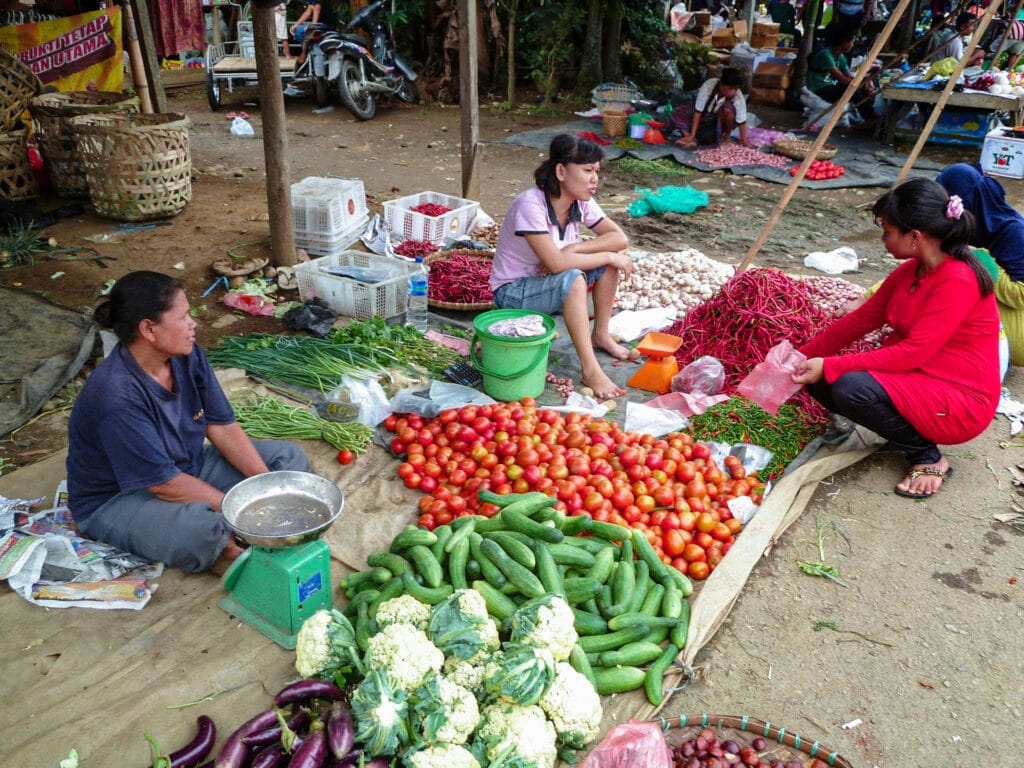
The best Bukit Lawang memories are not always deep in the rainforest. A local market morning can become a full village day of food and drinking stops, tuk-tuk rides, a visit to Gotong Royong Village, cheap shopping, and genuine connection with the people who call this place home.
For travelers who choose Sumatra for meaningful adventure, these small moments matter. They put your spending directly into local hands, introduce you to everyday Indonesian life, and offer a slower counterpoint to the excitement of an ethical orangutan trek.
Local Markets, Food, and Cheap Shopping in Bukit Lawang
Bukit Lawang’s small shops and nearby market stalls are practical places to stock up before your jungle adventure. Pick up fresh fruit, crackers, coffee, toiletries, sunscreen, or a simple rain poncho. Prices are usually far lower than at major tourist centers, but the value is more than financial: buying locally supports families, growers, and small business owners in the area.
Shopping here is best approached with patience and good humor. Ask the price before purchasing, especially for souvenirs or clothing, and negotiate gently when bargaining is expected. A fair deal should leave both buyer and seller smiling. Avoid wildlife products, feathers, shells of uncertain origin, and anything made from protected forest materials. Responsible travel means bringing home a story, not contributing to pressure on Sumatra’s wildlife.
If you are looking for gifts, choose practical locally made items, Indonesian snacks, woven bags, or simple crafts. Remember that selection can be limited compared with large cities. That is part of the experience. Bukit Lawang is a riverside village beside a national park, not a shopping mall destination.
What to Eat and Drink Like a Thoughtful Guest
Local food is one of the easiest ways to get to know North Sumatra. A small warung, or family-run food stall, may serve nasi goreng, mie goreng, fried rice, noodle dishes, vegetable curries, grilled chicken, tempeh, tofu, and fresh sambal. Tell the cook if you prefer mild food. Sambal can be wonderfully spicy, and heat levels vary from kitchen to kitchen.
For drinking, bottled water is widely available, and hot tea, coffee, fresh juice, and young coconut are welcome breaks after a humid walk. Bring a refillable bottle when possible and refill it at trusted accommodation or restaurants to reduce single-use plastic. If you order drinks with ice away from established eateries, use your judgment and ask your guide or host if you are unsure.
Vegetarian travelers can usually eat well, although it helps to explain your needs clearly. Vegan, gluten-free, and severe allergy requirements need more advance planning, particularly outside larger towns. Let your accommodation or guide know early so meals can be arranged with care.
Getting Around by Tuk-Tuk
A tuk-tuk ride is a fun, low-cost way to cover short distances, carry bags, or reach a nearby village without walking in the midday heat. Agree on the fare before you get in, particularly for a private ride or a longer trip. Cash in small Indonesian rupiah notes makes payment easier for drivers and shopkeepers.
Tuk-tuks are part of daily life, not a theme-park attraction. Give your driver time, hold on to your belongings, and do not expect the same road conditions or schedules you might find in a large US city. In rainy weather, allow extra time. Roads can be busy, uneven, or muddy in places.
A Respectful Visit to Gotong Royong Village
Gotong royong describes Indonesia’s tradition of mutual cooperation – neighbors helping one another with shared work and community needs. A visit to Gotong Royong Village is most meaningful when it is treated as an invitation into local life, not a quick photo stop.
Dress modestly, ask before photographing people or homes, and greet residents warmly. Learning a few words goes a long way: terima kasih means thank you, while selamat pagi means good morning. If children approach with curiosity, be friendly but avoid handing out candy or money. Supporting a local meal, guide, craft maker, or community activity is a more respectful way to contribute.
Travelers should also keep expectations realistic. Village experiences change with school schedules, family events, weather, farming work, and religious occasions. The most rewarding visits are flexible and unhurried, with space to listen as much as you look.
Make Your Budget Go Further, Without Cutting Corners
Bukit Lawang can be affordable, but cheap should never mean careless. Save money by eating at local warungs, using shared or pre-arranged transport when suitable, carrying a reusable bottle, and choosing community-based activities. Spend where it counts: certified guides for the jungle, ethical accommodation, and experiences that respect wildlife and local residents.
A well-planned village day adds depth to a rainforest trip. After seeing orangutans in their forest home, sitting over a plate of local food, riding a tuk-tuk through town, and meeting the people behind Bukit Lawang gives the journey its real sense of place.