Info@bukitlawangtravel.com

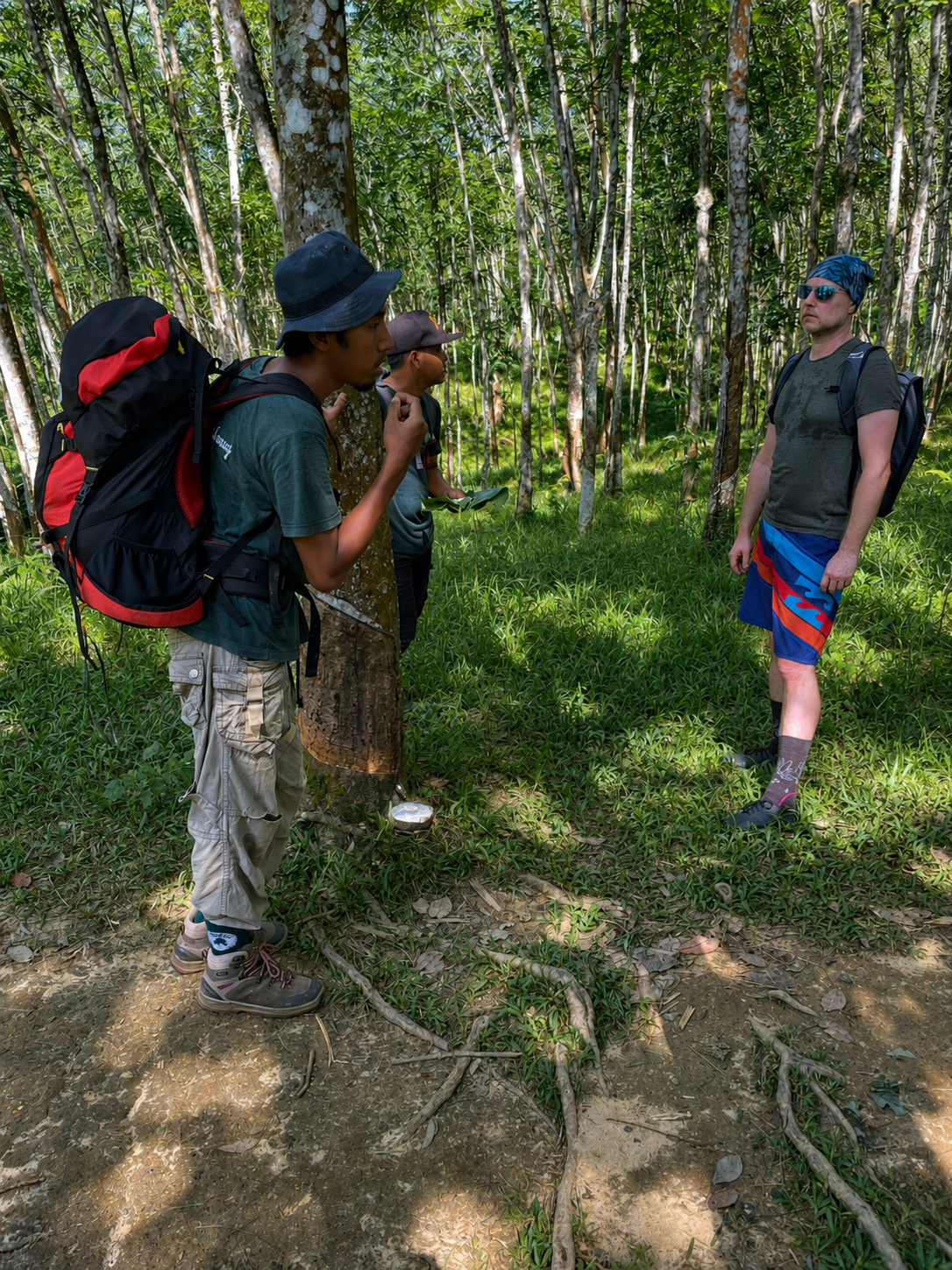
How to Book Certified Local Guides in Bukit Lawang
Learn how to book certified local guides for an ethical Bukit Lawang trek, with practical questions on safety, wildlife respect, and planning your day.

The moment an orangutan moves quietly through the canopy, the jungle stops feeling like a destination on a map and becomes a living home. Choosing to book certified local guides is what helps keep that encounter respectful, safe, and meaningful – for you, for wildlife, and for the people who call this rainforest home.
A Bukit Lawang trek is not simply a walk with a wildlife sighting attached. Conditions change quickly under the forest canopy. Trails can be steep, rain can turn soil slippery, and orangutans are wild animals with their own space and routines. The right local guide brings practical skill, local knowledge, and a clear ethical standard to every part of the experience.
Why a Certified Local Guide Changes the Trek
A certified guide does more than lead the way. They read the terrain, set a pace that works for the group, and help guests make sound decisions when the weather or trail conditions shift. In a rainforest, that experience is not a luxury. It is part of responsible preparation.
Local knowledge matters just as much. Guides who work in and around Gunung Leuser National Park know the sounds, plants, animal behavior, river crossings, and changing trail conditions that visitors may miss. They can explain what you are seeing without turning the forest into a performance. A good trek leaves room for quiet observation, because wildlife encounters cannot and should not be scripted.
Certification is also one useful sign of professionalism, but do ask what it means in practice. Training, guiding experience, first-aid preparation, park knowledge, and responsible wildlife protocols all matter. The best operators are happy to explain their standards clearly rather than relying on a vague label.
How to Book Certified Local Guides With Confidence
Start by looking beyond the lowest advertised price. A very cheap trek can leave important questions unanswered: Who is leading the group? How large will it be? Is transport included? What happens if rain makes a route unsuitable? Are meals, permits, and equipment explained before booking?
A responsible operator should give direct answers about the guide team and itinerary. You should know whether you are booking a short jungle walk, a night trek, or a multi-day expedition, as well as the expected fitness level and what is included. Clear communication before you arrive is a good indicator of how you will be cared for on the trail.
When comparing options, ask these practical questions:
- Are the guides certified, experienced, and familiar with the specific route?
- How do you keep a respectful distance from orangutans and other wildlife?
- What is the usual group size, and can the pace be adjusted for families or beginners?
- What safety procedures, first-aid supplies, and weather plans are in place?
- How does the booking support local jobs and reduce environmental impact?
These are not awkward questions. They show that you want your adventure to be part of a better kind of tourism. A locally rooted operator should welcome them.
Wildlife Respect Is Part of the Experience
Seeing an orangutan in the wild is unforgettable precisely because it happens on the animal’s terms. Ethical trekking means allowing animals room to move, feed, rest, and care for their young without pressure from visitors.
Your guide should set expectations before the trek begins. That includes keeping a safe distance, staying quiet when appropriate, never touching or feeding animals, and following instructions if an orangutan approaches the trail. Visitors who are sick should not trek near primates, since respiratory illnesses can be dangerous to them.
Photography deserves the same care. A meaningful photo is never worth crowding an animal, blocking its path, or asking a guide to bring the group closer. Use a zoom lens if you have one, keep your flash off, and accept that some of the best memories may not fit inside a camera frame.
Ethical guiding also means being honest about what may happen. Wildlife sightings are never guaranteed, even in a rainforest known for orangutans. Experienced guides increase your understanding of the forest, but they should never promise an encounter or encourage harmful behavior to create one.
Choose the Trek That Fits Your Group
The best trek is not always the longest or most challenging one. It is the one that matches your energy, available time, comfort level, and reason for visiting.
A three-hour or half-day guided walk can be a strong choice for families, travelers with limited time, or anyone wanting an introduction to the jungle without committing to a full day. You can experience the rainforest, learn from a local guide, and return with time to enjoy the village and river.
A full-day trek gives you more time under the canopy and usually involves more varied terrain. It suits active travelers who want a deeper feel for the forest but still prefer a comfortable bed at night. Multi-day expeditions are for those ready to sleep in the jungle, carry a lighter daily routine, and accept the reality that mud, insects, rain, and basic camp conditions are part of the adventure.
There is no prize for choosing a trek beyond your ability. Tell the operator if you have injuries, mobility concerns, dietary needs, or worries about heat and humidity. Good guides plan with that information in mind. They may recommend a more suitable route or a shorter format, which can make your experience far more enjoyable.
What Responsible Local Tourism Looks Like
Where you book affects more than your itinerary. Locally based guiding supports families, porters, drivers, cooks, small accommodations, and other community businesses. When visitor spending stays connected to the people who protect and share their home, tourism has a stronger chance of creating lasting value.
That does not mean every activity must be difficult, rustic, or expensive to be responsible. It means the details should align with the values being promised. Look for small-group practices where possible, waste-conscious meals and supplies, respectful wildlife rules, fair treatment of local staff, and accommodation partners that take their environmental footprint seriously.
Bukit Lawang Travel is family-owned and locally based, pairing certified guides with ethical wildlife trekking and community-benefiting activities. For guests, that local connection can turn logistical support into something more personal: practical help with transfers, clear packing advice, and an introduction to the people and places beyond the trail.
Prepare Well Before You Enter the Forest
Good preparation lets you focus on the jungle rather than discomfort. Wear lightweight clothing that can get muddy, closed-toe shoes with reliable grip, and socks you do not mind getting wet. Bring a refillable water bottle, insect repellent, sunscreen for open areas, rain protection, and any personal medication.
For a longer trek, confirm exactly what is provided and what you need to carry. Ask about sleeping arrangements, food, water treatment, dry bags, bathroom facilities, and whether luggage can be stored securely. Keep electronics protected from humidity and rain, but avoid overpacking. A heavy bag makes steep jungle trails harder than they need to be.
Travel logistics deserve attention, too. If you are coming from Medan, Lake Toba, or Berastagi, arrange transport early and leave enough buffer time before your trek. Road journeys can take longer than expected. Share arrival details with your operator, keep a local SIM or offline map available, and make sure your travel insurance covers the activities you plan to do.
Let Your Guide Lead
Once you are in the forest, the simplest rule is also the most valuable: listen to your guide. They may change the route because of rainfall, advise a pause on a difficult slope, or ask the group to stay together when wildlife is nearby. Those decisions are based on real conditions, not on limiting your adventure.
Bring curiosity, patience, and a willingness to get a little muddy. Ask about the trees, insects, bird calls, and local life around the park. Your guide’s knowledge is part of what you are there to experience, and respectful questions often lead to the stories visitors remember most.
Choose an operator that treats the jungle as a home rather than a backdrop. Then step onto the trail ready to notice more than the orangutans: the people guiding you, the forest sustaining them, and the small choices that help keep both thriving.
[…] Lawang is widely known as a gateway to ethical orangutan trekking, but responsible tourism should reach beyond a jungle trail. It should help protect the forests […]