Info@bukitlawangtravel.com
Bukit Lawang Local Guide for Responsible Treks
Plan your rainforest adventure with a Bukit Lawang local guide: ethical orangutan encounters, safe trekking, and community-rooted insight for every trip.

A Bukit Lawang local guide does far more than point out a trail. In a living rainforest where weather shifts quickly, wildlife chooses its own path, and every footstep matters, local knowledge turns a jungle walk into a safer, more respectful experience. It also helps ensure your visit supports the people who call this forest-edge community home.
For many travelers, seeing a wild orangutan is the reason to come. That moment is extraordinary, but it should never come at the animal’s expense. The right guide helps you experience Gunung Leuser National Park with patience, care, and a clear understanding of how to behave around wildlife.
What a Bukit Lawang Local Guide Adds to Your Trek
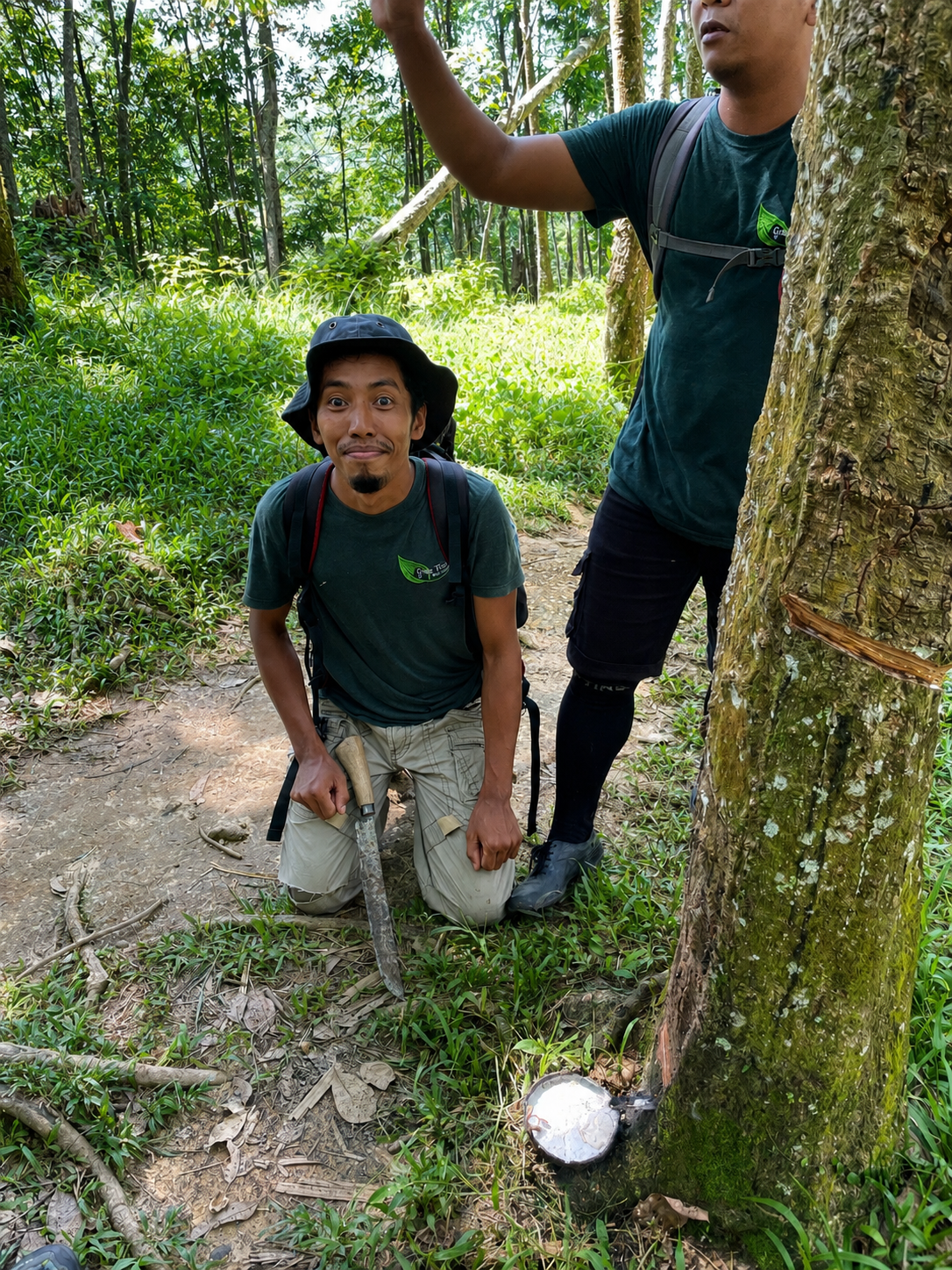
Jungle trails are not fixed sidewalks. Heavy rain can make roots slippery, raise small streams, and change the easiest route through the forest. A locally experienced guide reads those conditions, adjusts the pace, and chooses terrain that suits the group. This is especially valuable for first-time trekkers, families with children, and travelers arriving after a long journey from Medan.
Just as importantly, a guide helps you notice what is already around you. You may hear Thomas’s leaf monkeys calling high in the canopy, spot a hornbill crossing an open patch of sky, or see fresh tracks before you see any larger animal. The forest is not only about orangutans. A good trek feels richer because you understand the plants, insects, primates, river systems, and village connections that make this landscape so special.
Local guides also bring cultural context that a map cannot provide. They can explain everyday life in Bukit Lawang, local food, farming traditions, and the practical relationship between the village and the national park. When visitors choose locally led experiences, more of their travel spending stays connected to guides, drivers, cooks, small accommodations, and community businesses.
Ethical Orangutan Encounters Come First
A responsible guide will never promise an orangutan sighting. These are wild animals moving through a vast forest, and their welfare matters more than a perfect photo. You may see orangutans on a three-hour walk, or you may spend a full day learning from other wildlife encounters instead. That uncertainty is part of real nature travel.
Ethical trekking means keeping a respectful distance, never feeding animals, never touching them, and following your guide’s instructions if an orangutan approaches the trail. Food should stay packed away, and visitors who are sick should avoid entering orangutan habitat. Because orangutans are closely related to humans, they can be vulnerable to human respiratory illnesses.
Photography deserves the same care. Skip flash, keep your voice low, and let the animal control the encounter. A close-up image is never worth crowding wildlife or blocking its route through the trees.
Choose a Trek That Fits Your Group
The best jungle trek is not automatically the longest one. It is the one that matches your fitness, available time, comfort level, and reason for traveling. A shorter guided walk can be a meaningful choice for families, travelers with limited time, or anyone who wants a gentle introduction to the rainforest. Longer day treks offer more time on the trail and a deeper sense of the forest’s changing terrain.
For travelers who want a bigger adventure, overnight and multi-day expeditions bring a different rhythm. You hike farther, sleep in the jungle, share simple camp meals, and wake to the sounds of the forest rather than a hotel alarm. They are rewarding experiences, but they require a willingness to get muddy, sleep simply, and adapt to conditions. A multi-day trek is not the best fit for everyone, and that is perfectly fine.
Before booking, be honest about injuries, dietary needs, swimming confidence, and any concerns about steep or uneven ground. A responsible operator will help you choose a realistic route rather than pushing you into a trek that does not suit you.
Practical Questions to Ask Before You Go
Ask whether your guide is certified and how the operator approaches wildlife viewing. You should also know the group size, trek duration, what meals and equipment are included, and whether transportation can be arranged from Medan or combined with places such as Lake Toba or Berastagi.
Bring lightweight clothing that can get wet, sturdy shoes with grip, a reusable water bottle, insect repellent, sunscreen, and a small dry bag for your phone and camera. Leech socks can be useful during wet conditions, though they are not a substitute for careful footing. Avoid carrying unnecessary plastic into the forest, and take all personal waste back out with you.
Your guide should set the pace, but you should speak up early if you need water, a rest, or a slower walk. Jungle trekking is not a race. The best memories often happen when the group pauses quietly enough to hear the forest respond.
Travel With the Forest, Not Just Through It
Bukit Lawang is more than a starting point for an orangutan photo. It is a community beside one of the world’s most important rainforest landscapes. Choosing certified local guides, ethical wildlife practices, and community-based activities helps protect the kind of travel experience visitors came for in the first place.
Ready for an adventure that matters? Choose a trek that feels right for your group, arrive with curiosity, and give the rainforest the time and respect it deserves.