Info@bukitlawangtravel.com

Top Bukit Lawang Family Activities for All Ages
Plan top Bukit Lawang family activities with ethical jungle walks, river fun, village experiences, and practical tips for a meaningful Sumatra trip now.

Bukit Lawang · Family Travel
Top Bukit Lawang Family Activities
Meaningful rainforest adventures, gentle family experiences and local discoveries designed around different ages, interests and energy levels.
🌿 Ethical Wildlife
👨👩👧 Family Friendly
🤝 Local Experiences
🌊 River & Rainforest
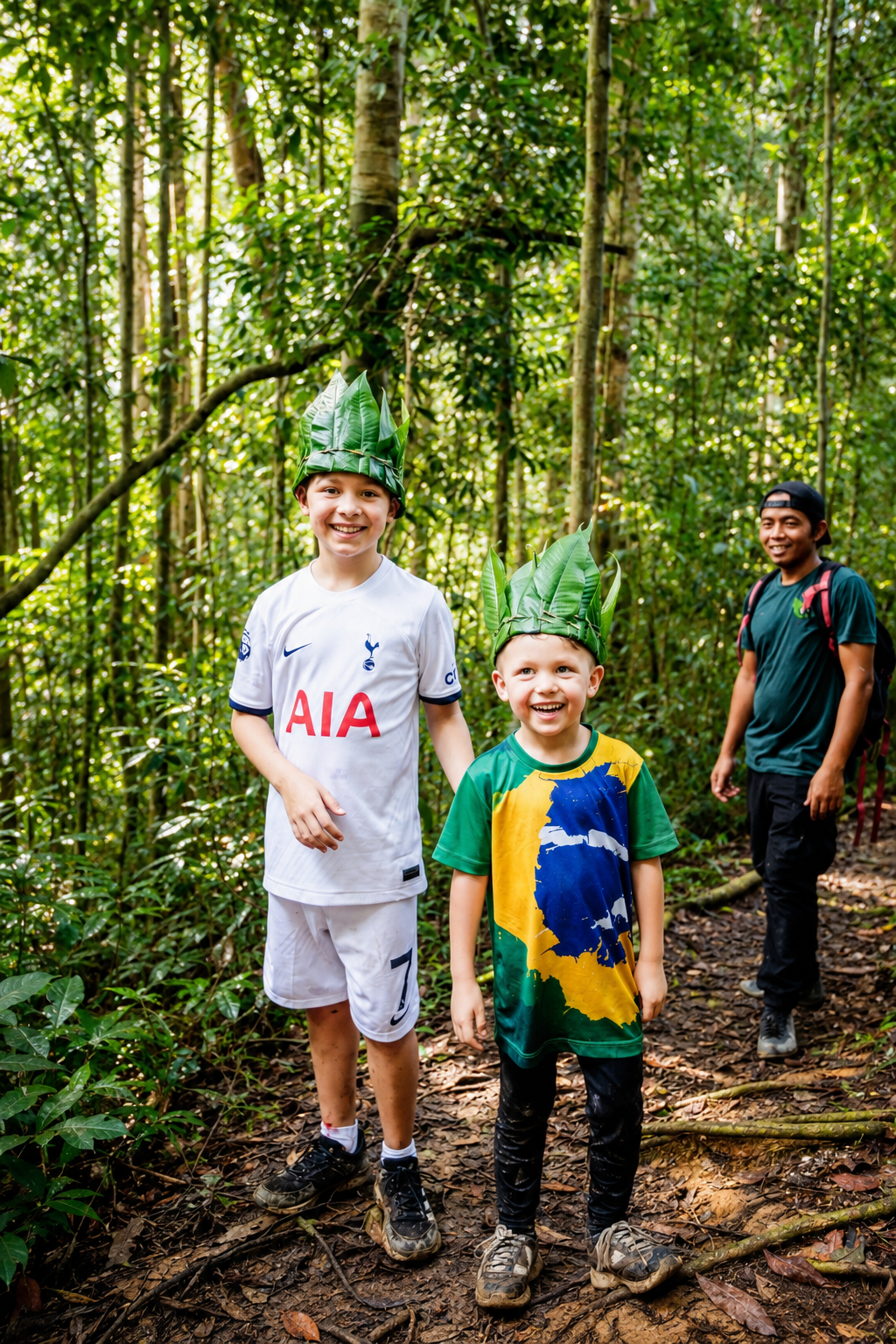
A child spotting movement high in the rainforest canopy, then realizing it is an orangutan building a nest, is the kind of travel memory that stays with a family for years.
The top Bukit Lawang family activities pair that sense of wonder with a slower, more meaningful way to experience North Sumatra — guided by local people, respectful of wildlife, and flexible enough for different ages and energy levels.
This is not a destination for rushing through a checklist. Families get the most from Bukit Lawang when they choose a few well-paced experiences, leave room for river swims and quiet mornings, and let certified local guides shape the day around conditions in the forest.
Family experiences
Activities worth planning your stay around
01
Take a family-friendly orangutan jungle walk
Rainforest
Wildlife
Shorter Trek Available
For many families, an ethical jungle walk in or near Gunung Leuser National Park is the heart of the trip. A shorter guided trek, often around three hours, is a sensible choice for younger children , first-time trekkers, or anyone who wants a real rainforest experience without committing to a full day of steep, muddy trails.
The forest is never a zoo, and wildlife sightings cannot be guaranteed. That is part of what makes a respectful trek worthwhile. Your guide may point out orangutans, Thomas’s leaf monkeys, macaques, giant ants, hornbills, lizards, and the remarkable plants that support the rainforest ecosystem.
Children often enjoy learning to look and listen for the small details just as much as the large animals.
Ethical trekking means keeping a safe distance, never feeding wildlife, staying quiet near animals, and following the guide’s instructions at all times. These standards protect orangutans from disease and stress while allowing families to encounter them as wild animals, not attractions.
For very young children, a private or small-group walk can make pacing and breaks much easier.
02
Float, splash and relax by the Bohorok River
River Time
Relaxing
Weather Dependent
The Bohorok River gives Bukit Lawang its playful side. After a humid morning on the trail, time by the water can be exactly what a family needs.
Depending on the river level and conditions, families may enjoy supervised swimming in calmer areas, relaxing on the riverbank, or simply watching local life unfold from a comfortable spot nearby.
Rafting or tubing is best considered according to your children’s age, confidence in water, and the season. Rain can change the river quickly, so a responsible operator will never treat conditions as fixed.
Listen to local advice, use appropriate safety equipment, and be willing to choose a gentler activity if the current is high.
For some families, the best river experience is not an adrenaline activity at all. A simple afternoon of cold drinks, snacks, and a safe swim after trekking can become everyone’s favorite part of the day.
03
Join a village and walking eco-tour
Community
Culture
Gentler Activity
A village walk adds context that the jungle alone cannot provide. It is a chance to see the daily rhythm of the community that lives beside one of the world’s most important rainforest landscapes.
Families may pass small farms, meet local residents, learn about crops and traditional practices, and see how tourism supports livelihoods beyond the trekking trail.
This is especially rewarding for school-age children and teens who are curious about how people live in other places.
It also helps parents explain responsible travel in practical terms: choosing locally guided activities, eating at locally owned businesses, and treating people’s homes and customs with respect all keep more of the value of tourism within the community.
A walking eco-tour is generally less physically demanding than a jungle trek, making it a good arrival-day activity or a quieter option between bigger adventures.
04
Cook a Sumatran meal together
Food
Hands-On
All Ages
A local cooking class is one of the easiest ways to bring the whole family into the experience. Rather than only ordering Indonesian dishes at dinner, everyone can learn about fresh herbs, chilies, coconut, vegetables, and the balancing of flavors that gives Sumatran food its character.
Families with children should speak up about spice preferences in advance. Many dishes can be adapted so younger travelers can participate comfortably, while adults can still enjoy the region’s bolder flavors.
The value is not only in the meal at the end. Shopping, chopping, stirring, and hearing the stories behind ingredients create a warm, shared activity after a day outdoors.
05
Explore a cave with the right guide and expectations
Adventure
Nature
Age Dependent
Cave exploration can add a different kind of adventure to a family itinerary. The cool, dark setting, limestone formations, and sense of discovery appeal to children who are ready for a little challenge.
But this is an activity where readiness matters more than enthusiasm alone.
Ask clearly about walking distance, slippery sections, lighting, helmets, age suitability, and whether children need to be comfortable in confined or uneven spaces.
A good guide will give an honest recommendation rather than pushing an activity that does not fit your group. Closed-toe shoes, a headlamp where provided, and clothes that can get dirty are sensible preparation.
For a family with toddlers or anyone uneasy on rough ground, a village walk and river time may be the better choice. There is no prize for picking the hardest activity.
06
Choose a longer trek only when the family is ready
Overnight Jungle
Older Children
More Challenging
An overnight jungle trek can be a powerful experience for families with older children or teens who genuinely enjoy camping and hiking. Sleeping in the rainforest, sharing a simple camp meal, and waking to forest sounds gives young travelers a deeper appreciation for what conservation protects.
At the same time, multi-day trekking is not a casual upgrade from a short walk. Trails can be steep and slippery, heat and humidity can be tiring, and camping comforts are basic.
Families should be candid about fitness, prior hiking experience, medical needs, and how well children cope when routines change.
A shorter trek is not a lesser version of the adventure. For many families, it is the right version. The goal is to leave the forest with happy, safe children and respect for the place, not exhaustion that overshadows the experience.
The right adventure is the one your whole family can enjoy.
Bukit Lawang does not need to be challenging every day. Mix rainforest
adventures with slower moments by the river, in the village and around
the table.
Planning your stay
How to build a family-friendly Bukit Lawang itinerary
Most families benefit from staying at least two or three nights. This allows time to settle in after travel from Medan, take a morning jungle walk when everyone is rested, and add a village activity, cooking class, or river afternoon without packing every hour.
Day 01
Arrive & slow down
Settle into your accommodation, explore the village, enjoy the river and recover from the journey from Medan.
Day 02
Rainforest morning
Join a guided jungle trek while everyone is rested, followed by a relaxed afternoon, cooking experience or river time.
Day 03
Choose your pace
Add a village tour, cave visit or another gentle experience before continuing toward Lake Toba, Berastagi or your next destination.
Where you stay matters
Choose accommodation that makes family travel easier
Look for a comfortable, family-suitable stay with clear information about room arrangements, meals, drinking water and access to your planned activities. Sustainable local accommodation also helps keep tourism benefits within the community.
✓
Comfortable room arrangements
✓
Mosquito protection
✓
Easy access to meals & drinking water
✓
Convenient location for activities
If you have an extra day, consider rafting if conditions and ages are suitable, cave exploration, or an onward journey toward Lake Toba or Berastagi. A complete Sumatra itinerary can work beautifully for families, but slower travel usually makes it more enjoyable.
Before you go
Practical tips for traveling with children
🎒
Pack for the rainforest
Bring lightweight long sleeves, quick-dry clothing, sturdy shoes with grip, rain protection, sunscreen, insect repellent, refillable water bottles and a small daypack.
💬
Talk with your guide
Explain your children’s hiking ability, concerns, allergies, medical needs and preferred pace before starting your trek.
🦧
Set wildlife expectations
Wildlife sightings are never guaranteed. Teach children to walk quietly, listen to their guide and give animals plenty of space.
The jungle is hot, humid, and often muddy, so also bring snacks, any necessary medication, and a dry bag for phones and valuables near the river.
Local guides know the forest, but parents know their children best. Open communication helps the day feel supportive rather than demanding.
It also helps to set expectations with children before arrival. They may see wildlife, but they may not see every animal they hope for. Framing quiet behavior and keeping distance as part of protecting the rainforest helps turn responsible behavior into a meaningful part of the adventure.
Travel together · experience slowly
Ready for a family adventure that matters?
Let your family choose the experiences that match its energy, curiosity and comfort level — then give the rainforest, the river and the local community enough time to make their own impression.