Info@bukitlawangtravel.com

Things to Do and Best Time to Visit Bukit Lawang
Plan ethical orangutan trekking with this guide to things to do in Bukit Lawang and the best time to visit Bukit Lawang, from weather to packing well.

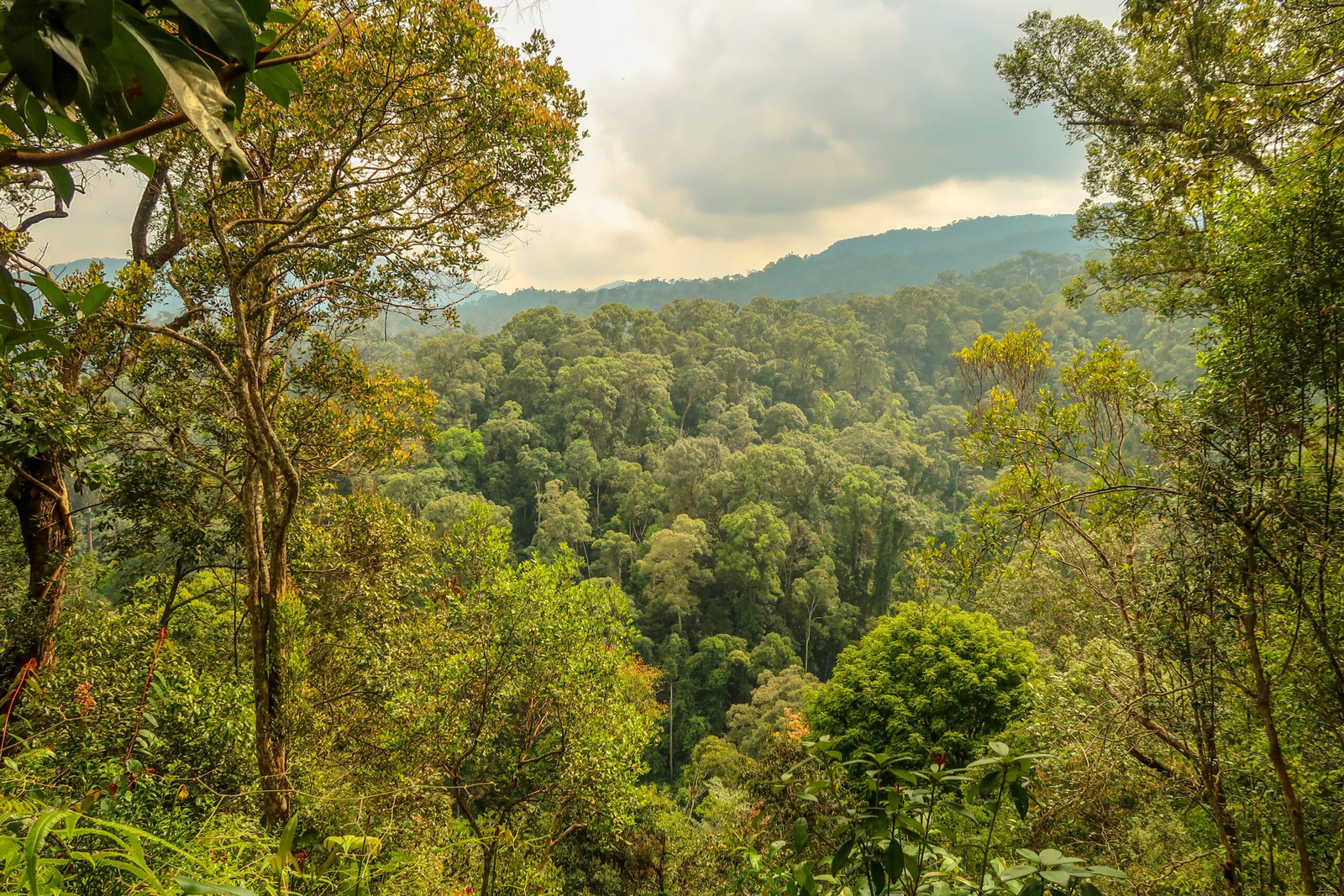
Bukit Lawang is not a place to rush through between bigger stops in Indonesia. The rainforest begins at the village edge, the Bohorok River sets the pace of the day, and a responsibly guided trek can become the defining experience of a Sumatra trip. This guide to Things to Do in Bukit Lawang and Best Time to Visit Bukit Lawang will help you choose an adventure that fits your travel style, comfort level, and values.
Start With an Ethical Orangutan Jungle Trek
For most visitors, the reason to come is the chance to walk beneath the canopy of the Gunung Leuser landscape and, with luck, see wild or semi-wild Sumatran orangutans from a respectful distance. This is not a zoo visit. Sightings are never guaranteed, and that is part of what makes the forest meaningful: wildlife remains wildlife.
A certified local guide does much more than find a trail. They read the weather, choose appropriate routes, explain the forest, manage safety, and help ensure your presence does not disturb animals. Ethical trekking means keeping a proper distance, never touching or feeding orangutans, keeping voices low around wildlife, and carrying all trash back out of the forest.
A three-hour trek is a good choice for families, first-time trekkers, or travelers short on time. A full-day trek offers more time to move beyond the busiest areas and experience the changing rhythm of the jungle. If you want the deeper version of Bukit Lawang, choose a two- to seven-day expedition with nights in simple jungle camps. Expect muddy slopes, river crossings, humid air, and the kind of quiet that makes every bird call feel close.
Choose the Trek That Matches Your Energy
The best trek is not automatically the longest one. A short, well-paced walk can be ideal if you are traveling with children, have limited mobility, or want to combine wildlife viewing with other activities. It still requires sturdy shoes, drinking water, and a willingness to handle heat and uneven ground.
A multi-day expedition suits travelers who want to earn their rainforest experience. Days can include steep climbs, natural swimming spots, tropical rain, and basic overnight conditions. You do not need to be an elite athlete, but you should be comfortable being active for several hours and accepting that jungle plans adapt to trail conditions.
Night treks offer a different perspective. After dark, guides may point out insects, frogs, nocturnal birds, and other small forest residents that are easy to miss in daylight. This is best for curious travelers who are comfortable walking slowly with a headlamp and do not expect orangutan viewing at night.
More Things to Do in Bukit Lawang Beyond Trekking
The village and surrounding landscape reward travelers who give themselves an extra day or two. After a trek, a river-side afternoon can be exactly what tired legs need. The Bohorok River is central to life here, and a swim in a calm, suitable section can be wonderfully refreshing. Always follow local advice about water levels and currents, especially after rain.
For more adrenaline, rafting or river tubing can be a fun way to see the valley from another angle. Conditions vary with rainfall, so this is an activity where guide judgment matters. During higher water, safety may require a route change or cancellation.
Cave exploration is another option for travelers who enjoy physical adventure. These trips can involve wet rocks, narrow passages, and uneven terrain, so wear clothes you do not mind getting muddy. A local guide makes the experience safer and adds context about the landscape rather than simply treating it as an obstacle course.
A village walking eco-tour is a quieter but valuable counterpoint to the jungle. It can introduce you to local gardens, small businesses, everyday cooking, and the people whose community makes responsible tourism possible. Choosing locally owned meals, guides, drivers, and accommodations helps visitor spending stay connected to Bukit Lawang families.
If you enjoy food as much as forests, a cooking class is a relaxed way to learn about Sumatran ingredients and home-style dishes. It also works well on a rainy afternoon or as a low-impact activity between longer travel days.
Add a Wider Sumatra Adventure
Bukit Lawang can stand alone for a few days, but it also fits naturally into a longer North Sumatra itinerary. Many travelers arrive from Medan, then continue toward Berastagi for volcanic landscapes and cooler highland air, or Lake Toba for a slower lakeside stay. These combinations make sense if you have at least a week and do not want every day to be physically demanding.
Special-interest trips can include a Rafflesia excursion when conditions and seasonal flowering align. Rafflesia sightings are highly unpredictable, so treat this as a possibility rather than a promise. Elephant-focused experiences also require careful research. Responsible wildlife travel should prioritize animal welfare, avoid performances or riding, and support experiences where animal needs come first.
Best Time to Visit Bukit Lawang
Bukit Lawang is warm and humid throughout the year. There is no completely dry, cool season, and rain is part of rainforest travel rather than a failure of your itinerary. The practical question is whether you prefer somewhat drier trails and busier visitor periods, or fewer people and a greater chance of wet conditions.
June through September is often considered the easiest period for trekking. Rainfall can still happen, but trails may be more manageable and travel logistics are generally simpler. This is a popular time, particularly during school vacations, so booking transport, guides, and preferred accommodation ahead is wise.
December through February can also be a rewarding time to visit, though visitors should expect wetter conditions. Rain can make trails slippery, rivers stronger, and jungle camps more rustic. The upside is that the forest feels intensely alive, and travelers who come prepared often enjoy a more intimate atmosphere.
March through May and October through November are transition periods. Weather can be variable, which means a sunny morning may turn into a heavy afternoon shower. These months can be excellent for flexible travelers who are happy to adjust the day around the forecast and guide recommendations.
Wildlife does not operate on a tourist calendar. Orangutans can be seen year-round, but sightings depend on fruit availability, forest conditions, trail choice, group behavior, and plain luck. Avoid any operator who promises close encounters or guaranteed photos. A respectful sighting from a distance is far better than an encounter created by feeding or crowding an animal.
What to Pack for the Rainforest
Pack for movement, moisture, and modesty rather than style. Lightweight long pants and a breathable shirt protect against insects, branches, and sun. Shoes with real grip are more useful than fashionable hiking boots that have never seen mud. Bring a reusable water bottle, rain jacket or poncho, insect repellent, sunscreen, a small dry bag, and any personal medications.
For a multi-day trek, ask in advance what your guide provides and what you need to carry. Many guests are relieved to learn that jungle expeditions do not require packing an entire camping store. Still, bringing only what you can manage comfortably makes the trail safer and more enjoyable.
Keep valuables protected from water and leave unnecessary single-use plastics behind. A small amount of preparation supports a much better experience for you and reduces pressure on the forest.
Plan With Flexibility and Respect
Allow at least two nights in Bukit Lawang if you want to trek without feeling rushed. Arriving the afternoon before your trek gives you time to settle in, meet your guide, and begin early when the forest is cooler. If you have three or four nights, you can combine a full-day or overnight trek with river time, a village activity, or a cooking class.
Bukit Lawang Travel can help guests choose a trek duration, arrange transport from Medan or onward destinations, and build a plan around the realities of the season. The goal is not to conquer the jungle on a tight schedule. It is to experience it with capable local guidance, respect for wildlife, and enough time to notice what makes this corner of Sumatra so special.
Come ready for mud on your shoes, changing weather, and plans that may shift with the river or the forest. That flexibility is not a compromise. It is how a responsible rainforest adventure stays safe, genuine, and worth remembering.