Info@bukitlawangtravel.com

Day Trek Versus Overnight Trek – Which Fits You?
Compare a day trek versus overnight trek in Bukit Lawang, from comfort and cost to wildlife time, camping, safety, and responsible jungle choices today.

A close call with a wild orangutan can happen on a morning walk or on the second day deep in the rainforest. The real choice in a day trek versus overnight trek is not simply how long you can walk. It is about the pace you want, the comfort you need, and how fully you want to live by the rhythm of the jungle.
Around Bukit Lawang and Gunung Leuser National Park, both options can be meaningful, responsible ways to experience Sumatra’s rainforest. A short guided trek can be ideal for first-time visitors, families, or travelers with a wider itinerary. An overnight expedition offers more time to travel beyond the busy edges of the forest, sleep under the canopy, and let the jungle feel less like a visit and more like a place.
Day Trek Versus Overnight Trek: The Core Difference
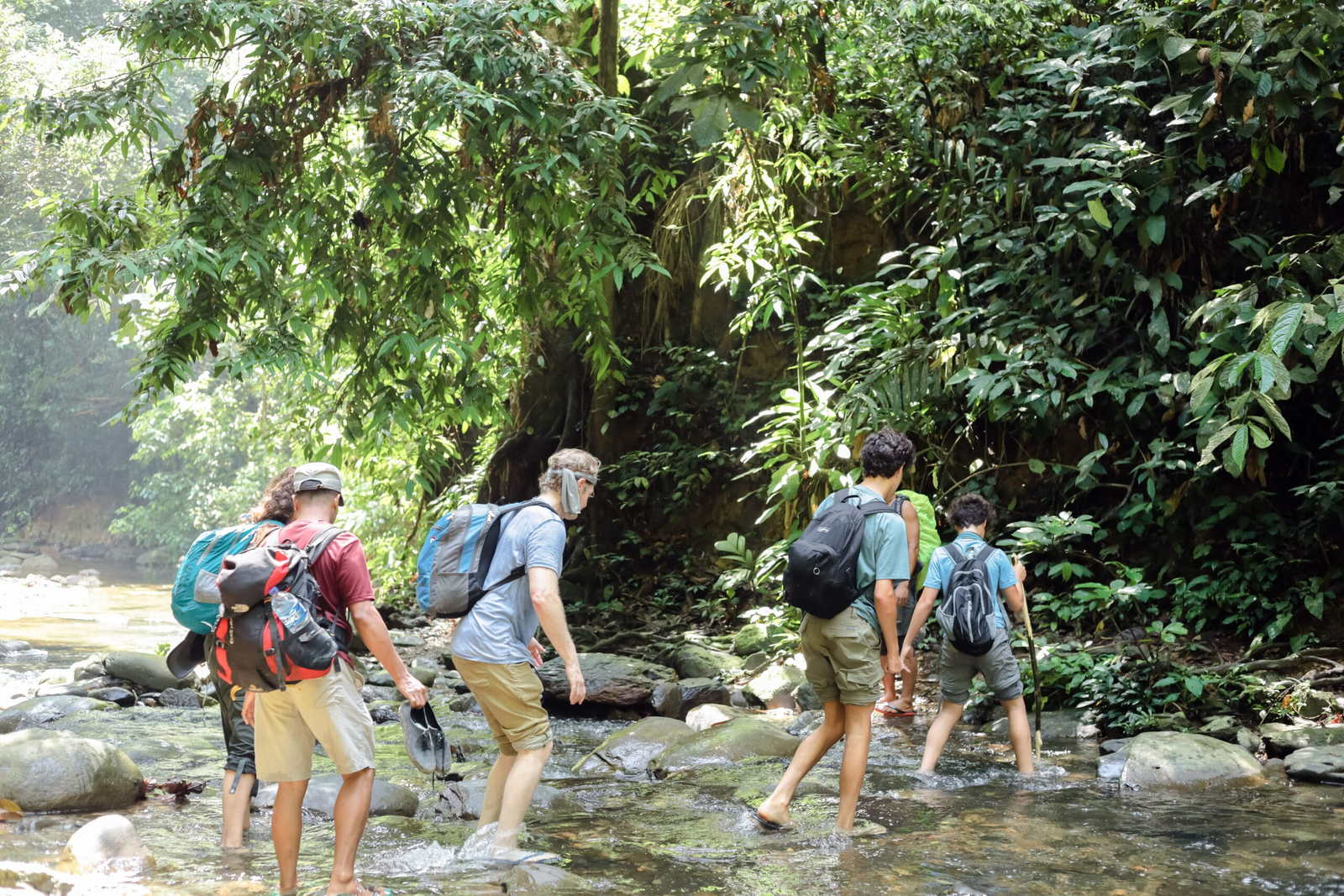
A day trek begins and ends on the same day. Depending on the route and your group, it may last a few hours or a full day of walking through humid forest, crossing small streams, climbing slopes, and looking for wildlife with a certified local guide. You return to your accommodation for a shower, a proper bed, and dinner in the village.
An overnight trek adds a jungle camp. After hiking farther into the forest, your guides prepare a simple riverside campsite, cook a fresh meal, and organize sleeping arrangements. The next morning, you continue through the forest before returning by trail or, where conditions allow and the route is suitable, by river.
Neither format is automatically better. The better choice is the one that matches your energy, travel style, and reason for coming to Sumatra.
Choose a Day Trek When Time and Comfort Matter
A day trek is a strong choice if the jungle is one part of a larger trip. Perhaps you are continuing to Lake Toba or Berastagi, traveling with younger children, or arriving from Medan with limited days to spare. It gives you a real rainforest experience without asking you to pack for a night outdoors.
For many guests, this is also the most comfortable introduction to tropical trekking. North Sumatra’s jungle is beautiful, but it is hot, humid, muddy after rain, and often steep. A few focused hours can feel satisfyingly adventurous without becoming physically draining. You can spend the evening resting, visiting the village, or enjoying another activity rather than drying wet socks by a riverbank.
A day trek does not mean a lesser wildlife experience. Orangutans, Thomas’s leaf monkeys, macaques, hornbills, monitor lizards, and countless smaller creatures can appear at any time. Wildlife is never guaranteed, and a responsible guide will never chase, feed, or crowd an animal to create a photo opportunity. But a well-paced day in the forest can offer wonderful sightings and a clear sense of why this ecosystem deserves protection.
Day treks are particularly practical for travelers who are uncertain about camping. If you have never slept outdoors, struggle with heat, have a health condition that requires more comfort, or simply value a clean room at night, there is no need to force an overnight adventure. Choosing a trek you can fully enjoy is the responsible choice for you and for the group.
What a Day Trek Still Requires
Even a shorter route deserves preparation. Wear closed-toe shoes with grip, bring drinking water, use insect repellent, and pack a light rain layer. Expect uneven ground and occasional rain, not a paved nature walk. Let your guide know in advance about mobility limitations, allergies, medications, or concerns about your fitness level so the route and pace can be planned thoughtfully.
Choose an Overnight Trek for a Deeper Jungle Experience
An overnight trek suits travelers who want more than a daytime encounter with the forest. With more hours available, the group can move at a slower, more patient pace and cover ground that cannot reasonably fit into a single day. You have more opportunities to notice the details: the changing calls of birds, fresh animal tracks, giant trees, insects that vanish into bark, and the feeling of the forest settling after sunset.
Camping is the heart of the experience. A good jungle camp is simple rather than luxurious, but that is part of its appeal. Your guides handle the practical work, including preparing food and arranging the camp, while you have time to swim or cool off near the river, share stories, and listen to the rainforest after dark. It is a rare chance to be present without traffic, screens, or a schedule that starts every hour.
The overnight format can also feel more rewarding for travelers who have already done day hikes elsewhere and want a physical challenge. You will carry personal essentials, sleep in a basic setup, and wake to the sounds of the forest. Rain, mud, and insects remain possibilities, even with excellent planning. The adventure is real, but it should never be confused with suffering as a badge of honor.
More Time Does Not Mean More Pressure on Wildlife
A longer trek should create more space, not more disturbance. Ethical trekking means keeping a respectful distance from orangutans and other animals, staying quiet when wildlife is nearby, and following the guide’s direction at all times. Do not touch wildlife, offer food, or leave anything behind.
This matters especially in an area where orangutans may be encountered close to established trekking routes. Their welfare comes before any photo, sighting, or itinerary. A guide may change direction, pause the group, or keep moving if an animal’s behavior suggests it needs more space. That is good guiding, not a missed opportunity.
Compare the Practical Trade-Offs
The biggest difference is comfort. A day trek lets you return to your room, recharge devices, shower, and sleep in a bed. An overnight trek replaces those comforts with a camp, limited belongings, and the satisfying simplicity of being outdoors. If rest is important before a long transfer or flight, choose the day option.
Budget can be different too. Overnight trips usually cost more because they involve additional guiding time, food, camping equipment, and logistics. Yet the value is not measured only in hours. For travelers who dream of sleeping in a Sumatran rainforest, the camp experience may be the part they remember most clearly.
Fitness is another consideration, though it is not as simple as choosing the shortest trek. A full-day route can still be demanding, especially in wet conditions. An overnight trek asks for more endurance over two days, but the pace can be adapted when a group communicates honestly. If you are reasonably active but not an experienced hiker, a one-night trek may still be possible with the right route, preparation, and expectations.
Group needs often make the decision clear. Families with small children, travelers with very limited time, and guests who prefer predictable comfort tend to enjoy day trekking most. Couples, friends, and independent travelers seeking a more immersive adventure often prefer an overnight camp. Private arrangements can offer more flexibility for pacing, interests, and dietary needs.
Make Your Choice Based on the Trip You Want to Remember
Ask yourself one useful question: when you picture this journey a year from now, what do you hope stands out? If you see yourself watching an orangutan move through the canopy, then returning to a comfortable village stay, a day trek may be exactly right. If you picture waking beside a jungle river after a night beneath the trees, choose the overnight experience.
There is also room for a middle path. A shorter family-friendly walk can be a wise first step for cautious travelers, while a full-day trek offers more challenge without camping. For those with several days in the area, an overnight trek can be paired with village activities, rafting, or a broader Sumatra itinerary so the journey has both adventure and breathing room.
At Bukit Lawang Travel, the aim is not to push every guest toward the longest route. It is to help each traveler choose an experience that feels exciting, well-supported, and respectful of the forest and the communities that call this place home.
Bring curiosity, realistic expectations, and a willingness to follow your guides. Whether you return to a guesthouse before sunset or fall asleep to the sound of the river, your best jungle trek is the one that leaves you with deeper respect for the wild place that welcomed you.
[…] purchasing, tell the insurer exactly what you plan to do. If you are booking an overnight or multi-day orangutan trek, explain that you will be walking on natural rainforest trails with a certified local guide, […]