Info@bukitlawangtravel.com

Berastagi Tourist Places, Hotels, Restaurants & Travel
Plan a thoughtful Berastagi escape with key tourist places, hotels, restaurants, and transport tips for a cool highland stop in North Sumatra, Indonesia.

Berastagi is where North Sumatra slows down, cools off, and opens into mountain views. For travelers researching a Berastagi tourist place, Berastagi hotel, Berastagi restaurant, and how to get to Berastagi, this highland town is an easy and rewarding stop between Medan, Lake Toba, and Bukit Lawang. Come for volcano scenery and fresh market produce, but leave room for the quieter rewards: Karo culture, village roads, misty mornings, and food grown close to your table.
At roughly 4,200 feet above sea level, Berastagi offers a welcome break from the tropical heat of the coast. It is not a polished resort town, and that is part of its character. A little planning helps you choose the right base, travel safely on mountain roads, and experience the area in a way that respects local communities and landscapes.
The Berastagi tourist places worth your time
Berastagi works best at an unhurried pace. Two nights give most travelers enough time for the central sights, a market visit, and a short excursion. Stay longer if you want to hike, visit villages, or build the town into a wider North Sumatra itinerary.
Mount Sibayak: a volcanic hike with a real payoff
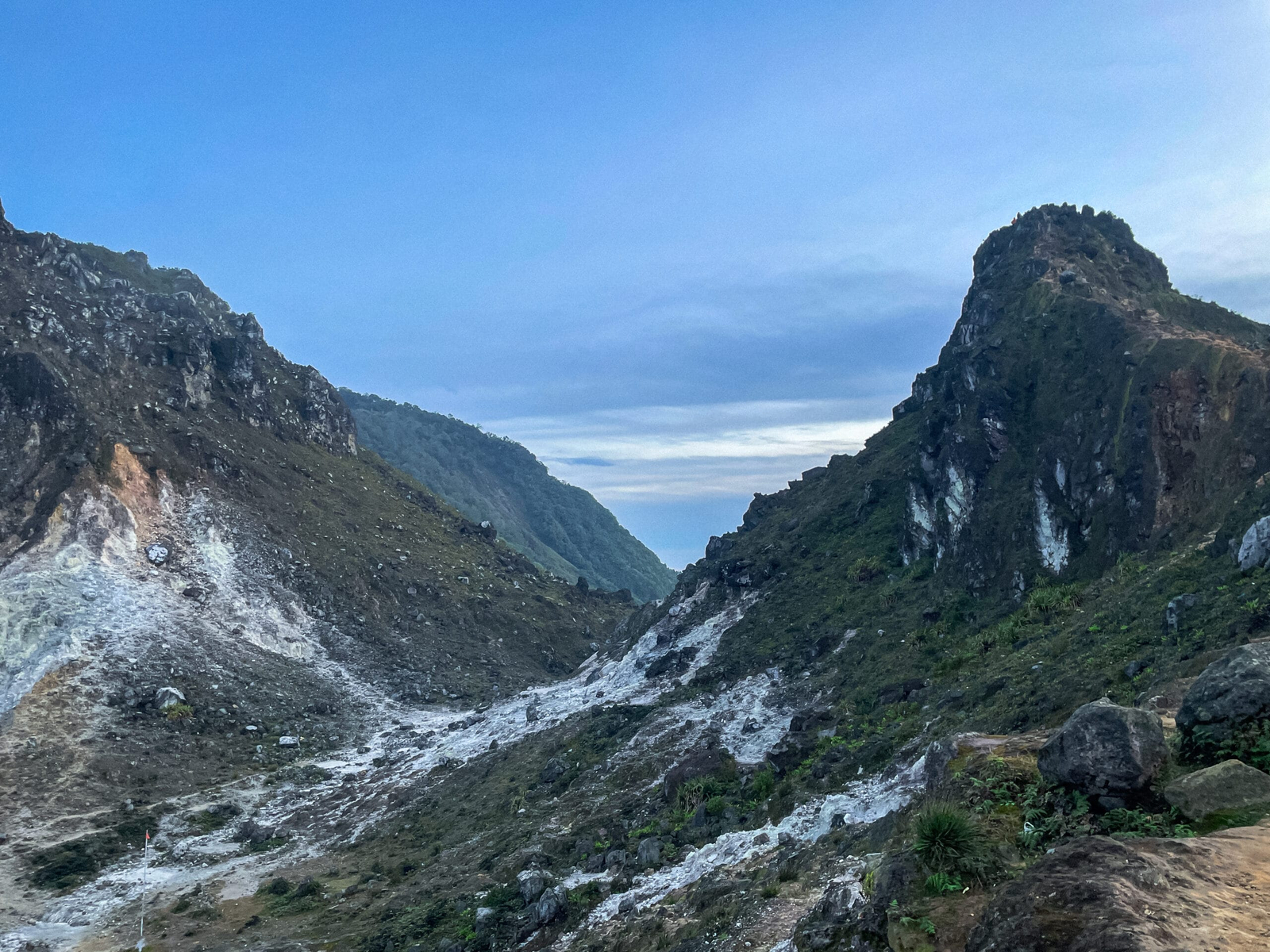
Mount Sibayak is the region’s most popular volcano hike. Its summit area is known for steaming vents, sulfurous air, and wide views when the weather clears. This is an active volcanic landscape, not a casual city walk, so conditions matter. Start early, wear shoes with grip, carry water and a rain layer, and go with an experienced local guide if you are unfamiliar with the route.
The hike can be done in several ways, from a shorter approach that uses road access to a longer trail through forest. The easier option suits many first-time hikers, while the longer route offers more of the journey. Cloud can move in quickly, so treat a clear sunrise as a bonus rather than a guarantee.
Mount Sinabung is another powerful presence on the horizon. However, it has a history of volcanic activity and safety restrictions can change. Do not rely on old blog posts or attempt to hike it independently. Follow current local advice and official restrictions.
Gundaling Hill and the volcano views
For a gentler outing, head to Gundaling Hill near town. The viewpoint looks toward Sibayak and Sinabung and is especially pleasant in the cooler late afternoon. It is a simple choice for families, travelers arriving after a long drive, or anyone who wants mountain views without committing to a hike.
You may find local horse rides around the area. As with any animal activity, choose carefully. Avoid operations where animals appear overworked, poorly handled, or unable to rest, eat, and drink properly. A good trip should never depend on an animal’s discomfort.
Lumbini Natural Park and the local market
Lumbini Natural Park is known for its large golden pagoda, gardens, and quiet walking spaces. It offers a different side of Berastagi from the volcanic terrain and can be a thoughtful stop for travelers interested in architecture and peaceful surroundings. Dress respectfully, keep voices low, and remember that it is a place of worship as well as a visitor attraction.
Berastagi Fruit Market is more energetic. This is the place to see the highland harvest: passion fruit, citrus, avocados, strawberries, vegetables, flowers, and regional snacks. Ask before photographing vendors, agree on prices politely, and try seasonal fruit rather than searching for something imported. Buying directly from small sellers is one simple way your visit can support the local economy.
Waterfalls, villages, and Karo culture
The countryside around Berastagi includes waterfalls and Karo villages with distinctive traditional houses. Places such as Sipiso-piso Waterfall are often visited on routes toward Lake Toba, while villages including Lingga can add cultural context to a volcano-focused trip. These experiences are most meaningful when they are not rushed between photo stops.
A local guide can explain Karo customs, farming practices, architecture, and the stories behind a place. That context matters. Tourism should not turn village life into a backdrop. Travel with curiosity, dress modestly, ask permission before taking close portraits, and purchase local food or crafts when it feels appropriate.
Choosing a Berastagi hotel for your trip
A Berastagi hotel is less about luxury branding and more about matching your stay to your plans. You will find simple guesthouses, family-run homestays, mid-range hotels, and larger properties with gardens or mountain-facing rooms. Standards vary, and highland weather makes practical details more valuable than a glossy photo gallery.
For travelers who want to walk to the market, restaurants, and transportation points, staying close to the town center is convenient. If you want quiet mornings and a more rural setting, look at properties on the edges of town, but confirm how you will get around after dark. Drivers and ride options may be less available than in Medan.
Before booking, ask whether hot water is reliable, whether the room has heating or extra blankets, and whether breakfast is included. Berastagi can feel genuinely cool at night, particularly during rainy periods. Also check recent guest feedback for cleanliness, noise, Wi-Fi expectations, and road access. A hotel with a beautiful view may involve a steep or rough approach.
Whenever possible, choose locally owned accommodation that employs nearby residents and manages waste responsibly. Small choices add up in a highland region where tourism, agriculture, and natural resources are closely connected.
Where and what to eat at a Berastagi restaurant
Berastagi restaurant choices range from modest roadside warungs to hotel dining rooms and small cafés. The town is a fine place to eat simply and well. Look for Indonesian and Karo dishes, fresh vegetables, grilled fish or chicken, noodle soups, and fruit juices made from local produce.
Karo cuisine can be bold, savory, and spicy. If you do not eat pork, have allergies, or prefer vegetarian food, communicate clearly before ordering. In many smaller restaurants, a friendly conversation is more useful than assuming the menu tells the whole story. Asking for less chili is usually possible, though the kitchen may still have a lively idea of “mild.”
For a reliable meal, choose restaurants that are busy with local diners, cook food fresh, and keep preparation areas tidy. Street food can be excellent, but use the same common sense you would anywhere: favor hot food cooked in front of you, drink sealed bottled water when unsure, and ease into unfamiliar dishes if your stomach is adjusting to travel.
Do not miss the fruit. Fresh passion fruit juice is a Berastagi classic, while strawberries, oranges, and avocados are often at their best when bought in season. This is one destination where ordering local can be the most delicious decision on the menu.
How to get to Berastagi from Medan, Bukit Lawang, and Lake Toba
Most international visitors begin in Medan, the main gateway to North Sumatra. From central Medan, Berastagi is usually a two-and-a-half to four-hour drive, depending on traffic, weather, roadwork, and where you start. The route climbs into the mountains, and motion sickness can be an issue for some travelers. Sit near the front if possible and keep your first meal light.
A private car with a local driver is the most comfortable choice for couples, families, groups, or travelers carrying luggage. It allows for rest stops and can be combined with a market, waterfall, or countryside visit. It is also the better option if you arrive at Kualanamu International Airport and want a direct transfer, since airport-to-Berastagi travel can take considerably longer than the trip from central Medan.
Public buses and shared minivans are cheaper and offer a more local experience. They generally depart from Medan transport terminals, but schedules, boarding points, and comfort levels can change. Ask your accommodation or a trusted local operator for the latest details rather than planning around an outdated timetable. Keep small cash available and allow extra time.
Traveling from Bukit Lawang to Berastagi usually requires a full day of road travel, often via Medan or arranged private transport. The route can make sense as part of a broader circuit: Medan, Bukit Lawang for an ethical orangutan trek, Berastagi for volcanic highlands, then Lake Toba. The order depends on your flight times, energy level, and whether you prefer to start with the jungle or save it for the end.
From Lake Toba, private transport is generally the simplest way to reach Berastagi. The journey offers changing scenery, but mountain roads mean travel times should be treated as estimates. Avoid packing too much into transfer days. A rushed itinerary turns beautiful roads into something to endure rather than enjoy.
Make Berastagi part of an adventure that matters
Berastagi is not just a place to tick off between larger destinations. It is a chance to experience another texture of Sumatra: volcanic, agricultural, culturally distinct, and refreshingly cool. Give your local hosts time, choose businesses that treat people and landscapes with care, and stay flexible when mountain weather changes the plan.
For travelers combining Berastagi with Bukit Lawang, Bukit Lawang Travel can help arrange a practical route that pairs highland exploration with certified, ethical orangutan trekking in Gunung Leuser National Park. Pack a warm layer, bring a reusable water bottle, and leave space in your schedule for the views that appear when you least expect them.