Info@bukitlawangtravel.com

Lake Toba: Volcano, Batak Culture, and Samosir
Plan a responsible Lake Toba visit with ferry timing, Samosir culture, Batak food, scenic drives, and practical advice for a rewarding North Sumatra stay.

Lake Toba · Samosir Island · North Sumatra
Discover Lake Toba & Samosir Island
Volcanic landscapes, cooler mountain air, Batak culture and a slower rhythm of travel in one of North Sumatra's most remarkable destinations.
Volcanic Caldera
A vast landscape shaped by geology
Samosir Island
Heartland of Toba Batak culture
Cooler Climate
A refreshing contrast to the lowlands
Slow Travel
Stay, explore and enjoy the lake
More than a scenic stop
A Different Side of Sumatra
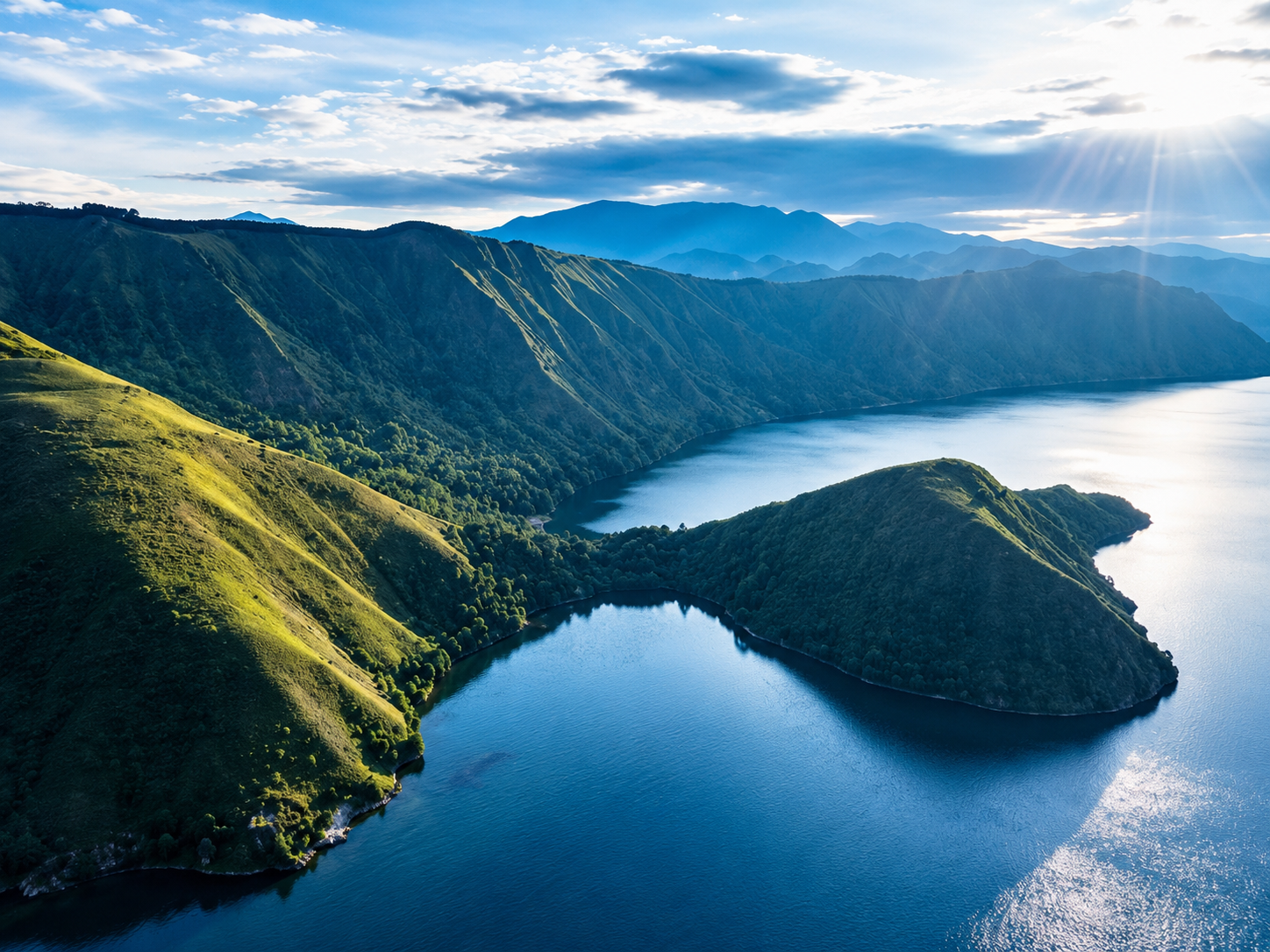
A vast volcanic caldera filled with water, surrounded by green mountains and centered on culturally significant Samosir Island.
Known in Indonesian as Danau Toba, Lake Toba offers cooler air at around 900 meters above sea level and a welcome change from North Sumatra's lowland heat.
For travelers arriving after an orangutan trek in Bukit Lawang , the lake provides a completely different rhythm.
The jungle encourages you to move carefully and listen. Lake Toba invites you to slow down, swim, share a meal and learn more about the people and traditions that continue to shape this landscape.
Landscape & history
Why Lake Toba Feels Different
Dramatic geological history has become one of Indonesia's most peaceful travel landscapes.
The scale of Lake Toba is difficult to understand until you see it. The lake stretches across a giant caldera created by an enormous eruption around 74,000 years ago.
Today, fishing boats cross the water while small farms, rice fields, churches, family tombs and traditional villages shape the surrounding hillsides.
At the center lies Samosir Island, a cultural and spiritual homeland for the Toba Batak people rather than simply another attraction on a tourist route.
Getting there
From Mainland Sumatra to Samosir
Most travelers reach Lake Toba through Parapat before continuing across the lake to Tuktuk on Samosir Island.
Starting Point
Medan or Bukit Lawang
Continue south toward Lake Toba by road.
→
Mainland Lake Toba
Parapat
The main transfer point on the eastern shore.
→
Samosir Island
Tuktuk
Passenger ferries generally take around 45 minutes.
Ferry
Plan Your Ferry Crossing Carefully
Passenger ferries between Parapat and Tuktuk generally operate into the early evening, but schedules can change with weather, demand and local conditions. Confirm your departure on the day of travel. If you reach Parapat after the final boat, staying overnight is usually more practical than making the long road detour around the lake.
Your practical island base
Tuktuk on Samosir Island
Relaxed, walkable and directly beside the lake, Tuktuk is where many travelers begin their Samosir stay.
The area offers guesthouses, lakefront hotels, cafes, restaurants, motorbike rentals and convenient ferry access. It is an easy place to recover after a long journey.
Lake Swimming
Waterfront Accommodation
Restaurants & Cafes
Easy Ferry Access
Tuktuk is also the island's most tourism-oriented area, so travelers interested in more regional Batak cuisine should plan at least one meal elsewhere on Samosir.
Batak heritage
Cultural Places to Explore on Samosir
Traditional villages and heritage sites are part of living communities and family histories, not simply photo stops.
Ambarita
Known for its historic stone chairs associated with traditional meetings, legal proceedings and village leadership.
Simanindo
Visit the museum and traditional dance performances for an introduction to Batak music, clothing and movement.
Tomok
Home to important ancestral tombs, including the well-known stone tomb associated with King Sidabutar.
Living culture
Batak Tradition Is More Than a Museum
Traditional Batak houses, known as rumah adat, are instantly recognizable by their dramatic upward-curving roofs and richly decorated woodwork.
Protective and symbolic motifs can appear throughout the architecture, while ancestral tombs, churches, family compounds and farms remain visible parts of everyday life.
Christianity has a strong presence on the island, while older beliefs, clan traditions, customary ceremonies and ancestor reverence continue to shape Batak identity.
The most meaningful way to experience Samosir is to notice this living culture beyond scheduled performances and individual heritage sites.
Taste Samosir
Eat, Listen & Travel Slowly
Music and food are important parts of the Batak experience, and exploring beyond Tuktuk can reveal more traditional flavors.
Arsik
Freshwater fish traditionally cooked with andaliman, a distinctive local spice known for its bright, tingling sensation.
Dali ni Horbo
A soft food made from water buffalo milk and one of the region's distinctive traditional specialties.
Music & Tuak
Batak communities are known for strong singing traditions. Tuak, a local palm wine, may accompany social gatherings.
Visit with respect
Culture Is Not Just a Photo Backdrop
Dress respectfully at cultural and ancestral sites, avoid climbing on monuments and ask permission before photographing local people. Choosing locally owned restaurants, guides and accommodation is also a simple way to make tourism benefit families living around the lake.
Explore beyond Tuktuk
Drive Around Samosir
One of the best ways to understand the scale of Lake Toba is to leave the main visitor area and travel through the island's hills and villages.
Roads climb above the shoreline, opening wide views across the lake, terraced fields, distant ridges, churches and traditional settlements.
Scooter
Offers independence but is best for experienced riders comfortable with narrow, wet or uneven Indonesian roads.
Local Driver
A more relaxed option for families, groups or travelers who prefer to enjoy the scenery without navigating themselves.
Stop only where it is safe and take extra care around pedestrians, children, animals and local traffic.
Mainland extension
Discover Balige
Around 1.5 hours south of Parapat, Balige offers another perspective on the Lake Toba region. The traditional Batak town has a lively market and a museum dedicated to Batak culture, making it worthwhile for travelers who want to explore beyond Samosir's main visitor route.
Give the lake time
Lake Toba Is Better When You Don't Rush
Stay at least two nights if your itinerary allows. Cross to Samosir before dark and leave space for an unplanned lakeside meal, a swim or a slow drive through the hills.
That quieter rhythm is often what travelers remember most. Lake Toba can also become part of a longer North Sumatra journey connecting rainforest, volcanoes and local culture.
Explore the 7-Day Sumatra Adventure for a journey combining Bukit Lawang, the highlands and Lake Toba.
Continue your Sumatra journey
From the Rainforest to Lake Toba
Combine Bukit Lawang's orangutan trekking with the volcanic landscapes, slower pace and Batak culture of Lake Toba and Samosir Island.
Explore Lake Toba Tour →