Info@bukitlawangtravel.com
Jungle Camp Reviews That Help You Choose Well
Read jungle camp reviews with confidence: learn which details reveal ethical wildlife practices, camp comfort, guide quality, safety, and local impact.

A jungle camp can be the memory that defines your Sumatra trip: falling asleep to insects and distant gibbons, sharing a simple meal after a long trek, and waking beneath a rainforest canopy. But jungle camp reviews are most useful when you read beyond phrases such as “amazing experience” or “best trip ever.” The details tell you whether a camp was responsibly run, suitably challenging, and right for the kind of adventure you want.
For many travelers, one night in the forest is exciting precisely because it is not a hotel experience. Expect basic comforts, changing weather, muddy trails, and a real distance from the road. The right camp should feel wild without feeling careless.
What Good Jungle Camp Reviews Actually Reveal
The strongest reviews explain what happened, not only how the guest felt. Look for descriptions of the guide’s decisions, the pace of the trek, the quality of food and water, sleeping arrangements, and how wildlife encounters were managed. A five-star rating is encouraging, but a detailed account is far more valuable than a row of vague praise.
Pay attention to whether reviewers seem to be travelers like you. A fit, experienced hiker may call a steep, humid day “easy,” while a family with younger children may give you a clearer picture of what a short jungle walk feels like. Couples seeking a quiet overnight trek, solo travelers looking for friendly group energy, and serious hikers planning several nights in the forest will each notice different things.
Recent reviews deserve extra weight. Trail conditions, camp setups, guide teams, transportation options, and local conservation rules can change. A consistent pattern across recent comments is more meaningful than one unusually glowing or unusually disappointed review.
Read for specifics on guiding
In a rainforest, a guide is more than the person who leads the way. They set the safety standard, interpret the forest, manage the group’s distance from animals, and help make the day enjoyable when rain or fatigue changes the plan.
Useful reviews often mention guides by name and describe their patience, knowledge, and communication. Look for comments about guides explaining orangutan behavior, identifying plants and birds, adjusting the walking pace, or helping less confident trekkers navigate slippery ground. These are signs of attentive local guiding, not just a quick wildlife outing.
It also helps to see whether reviewers felt heard. A responsible guide should be able to discuss the itinerary honestly, explain the physical demands, and adapt where practical without making unrealistic promises about wildlife sightings. Orangutans are wild animals, and no ethical operator should treat a sighting as guaranteed entertainment.
Ethical Wildlife Practices Should Be Easy to Spot
A close orangutan encounter can be deeply moving. It should never come at the animal’s expense. When reading reviews, look for language that shows guides protected the animals’ space and kept groups calm and respectful.
Positive signs include guests noting that their guide maintained distance, asked people to stay together, discouraged loud behavior, and did not offer food to wildlife. It is also reassuring when a reviewer understands that an encounter ended because the animal moved on. That is the forest working on its own terms.
Be cautious with reviews that celebrate touching, feeding, calling over, or crowding animals for photos. They may sound exciting, but these practices can alter animal behavior and create health risks for both people and wildlife. Great photographs are never worth compromising an orangutan’s welfare.
Ethical trekking also includes the less dramatic choices: carrying waste out, using established camp areas where appropriate, avoiding unnecessary noise, and respecting the national park’s rules. A camp experience should leave travelers with a stronger connection to conservation, not a sense that the rainforest exists for visitors to consume.
Compare Jungle Camp Reviews With Your Own Expectations
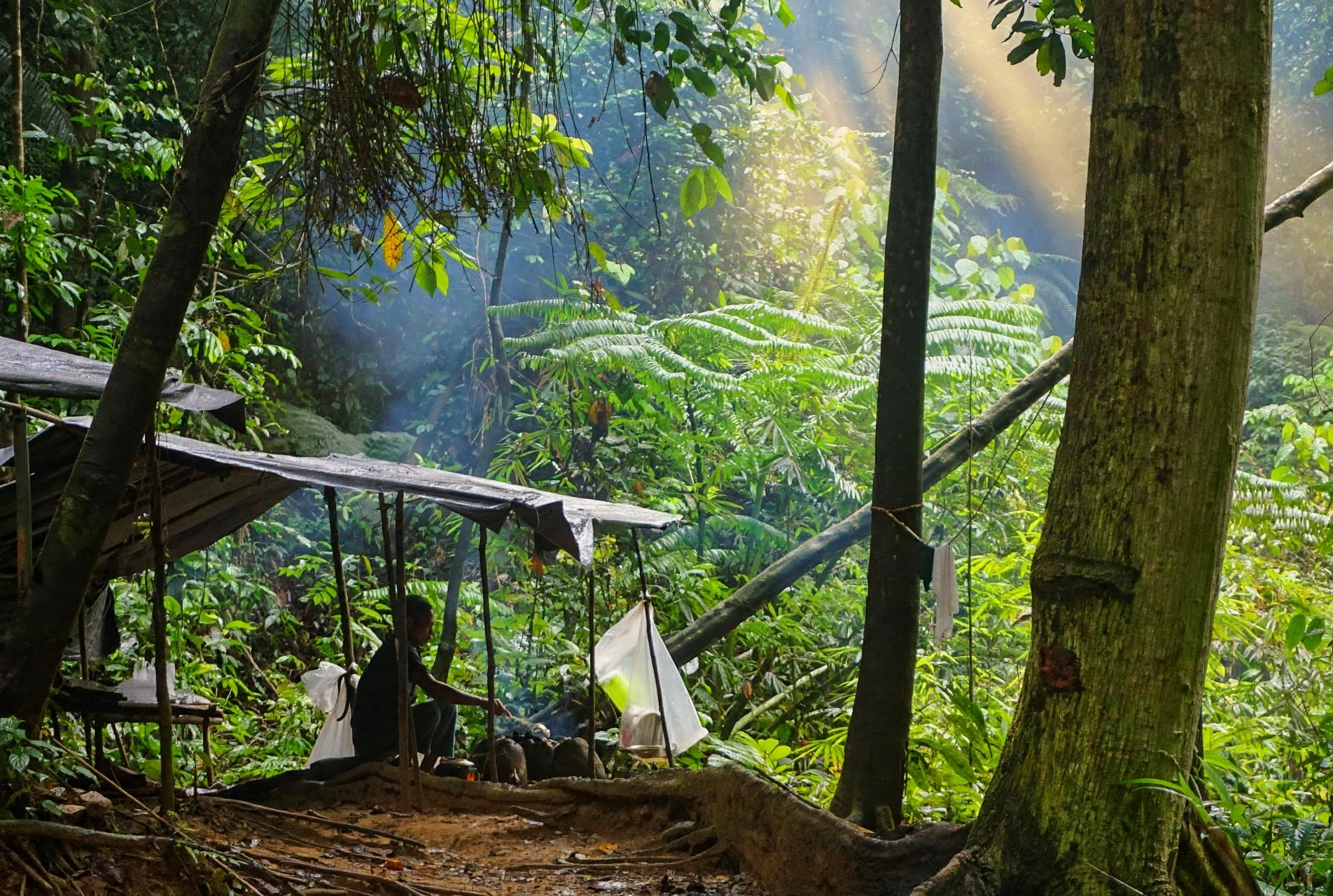
“Basic” means different things to different people. Before booking, decide where you are flexible and where you need certainty. Jungle camping usually involves simple sleeping mats, mosquito nets, shared spaces, limited facilities, and meals prepared in the forest. That simplicity is part of the experience, but it is best enjoyed by travelers who know what they are choosing.
Reviews can help you understand the practical reality. Look for mentions of the sleeping setup, cleanliness, toilets, drinking water, meal portions, dietary accommodations, and what happens in heavy rain. You do not need luxury to be comfortable, but you do need clear preparation and a team that takes hygiene seriously.
A reviewer who says, “It was more basic than expected, but the team was prepared and the camp was clean,” is offering useful context. So is someone who explains that the river was louder than expected at night or that a waterproof bag made a major difference. These details help you pack wisely and set realistic expectations.
Comfort is not the same as luxury
A well-run jungle camp may be simple, but it should not be disorganized. Freshly prepared food, safe drinking water, dry protection for gear, a clean camp area, and a clear plan for sleeping arrangements all matter. The setting may be remote; the care behind it should still be evident.
If you have dietary needs, allergies, mobility concerns, or are traveling with children, reviews are only the starting point. Ask direct questions before booking. A shorter trek or a private format may be a better fit than an overnight expedition, and there is no loss in choosing the adventure that lets everyone enjoy the forest safely.
Look Beyond the Camp to the Full Experience
An overnight trek begins before you reach camp and continues after you leave it. Reviews that describe pickup timing, pre-trek briefings, equipment advice, luggage storage, and the return journey are especially helpful. They show whether the operator thinks through the whole guest experience rather than only the highlight reel.
Safety deserves the same attention. You are not looking for a risk-free wilderness experience, because the jungle naturally includes uneven trails, heat, rain, insects, and river crossings. You are looking for a team that manages those risks with preparation, appropriate pacing, first-aid knowledge, clear communication, and sound judgment.
Read how an operator responds when conditions are difficult. Did guides change a route after heavy rain? Did they help a nervous guest at a crossing? Did they explain why a particular wildlife encounter needed more distance? These moments often reveal more about professionalism than perfect-weather reviews ever can.
Community Impact Belongs in the Picture
The best rainforest experiences connect visitors with the people who live alongside it. Local guides, camp staff, drivers, cooks, guesthouses, and village businesses all play a role in making a trek possible. Choosing a locally rooted team helps visitor spending remain in the community and supports livelihoods connected to protecting the forest.
Reviews may mention the warmth of a guide’s family, a meal prepared by local camp staff, or the knowledge shared about village life and the national park. Those details matter. They reflect a form of travel where guests are welcomed as participants, not simply moved through a destination.
At Bukit Lawang Travel, this approach means pairing certified local guides with wildlife-respectful trekking and community-based experiences. The goal is not to make the jungle feel staged. It is to help travelers enter it with care, confidence, and respect for the people and wildlife that make this place extraordinary.
A Few Questions to Ask Before You Book
Reviews can narrow your choices, but a short conversation before booking can prevent mismatched expectations. Ask how long you will walk each day, what the camp sleeping arrangement includes, how food and drinking water are handled, and what gear you should bring. If ethical wildlife tourism is a priority, ask how guides manage viewing distance and visitor behavior around orangutans.
Also ask what happens if weather conditions change the route or make a river crossing unsuitable. A trustworthy answer will be practical rather than overly dramatic or overly reassuring. Rainforest travel requires flexibility, and responsible planning recognizes that.
Choose the camp that gives you a clear picture before you arrive, not the one that promises the most. When the guides are prepared, the wildlife is respected, and the local community benefits, a night in the jungle becomes more than an adventure story. It becomes a meaningful way to experience Sumatra.