Info@bukitlawangtravel.com

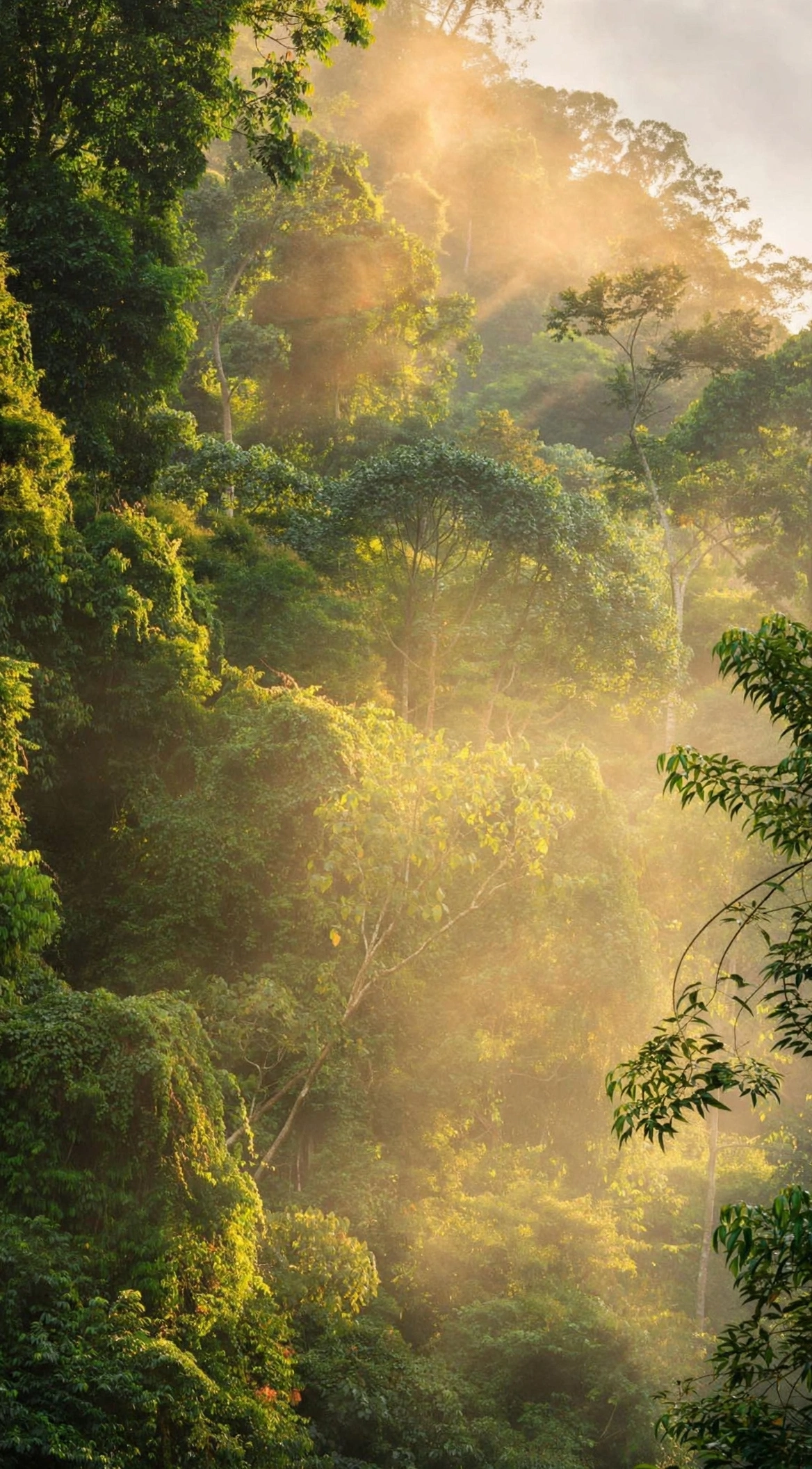
3 Days, 2 Nights Jungle Trekking Tour in Bukit Lawang
Plan a 3 Days 2 Nights Jungle Trekking Tour at Leuser National Park Bukit Lawang with ethical guides, forest camps, wildlife tips, and packing advice today.

The rainforest gets quieter once the village path disappears behind you. There is no traffic, no café playlist, and no rush to reach the next attraction – just giant trees, alert guide calls, and the chance that an orangutan may be moving through the canopy above. A 3 Days 2 Nights Jungle Trekking Tour at Leuser National Park Bukit Lawang gives you enough time to move beyond a quick wildlife walk and experience the forest at its own pace.
This is a rewarding choice for travelers who want a real jungle expedition without committing to a week in the wild. You will walk through humid, hilly terrain, sleep at simple forest camps, share meals prepared by your guide team, and finish with a river journey back toward Bukit Lawang. It is adventurous, but it should never be reckless. The right trek is guided by certified local professionals, built around wildlife respect, and planned with your ability level in mind.
Why choose a three-day, two-night trek?
A short trek can offer a wonderful introduction to Gunung Leuser National Park, especially for families or travelers with limited time. But three days and two nights create space for a deeper experience. Rather than turning around soon after the first wildlife sighting, your group can travel farther into the forest, settle into its daily rhythm, and explore areas that feel more remote.
The extra time matters because wildlife does not follow an itinerary. Wild orangutans may be seen early in the day, later along a ridge, or not at all. A longer trek provides more time in suitable habitat while keeping expectations honest: sightings are possible and often memorable, but never guaranteed. That uncertainty is part of ethical wildlife travel. These are wild animals, not performers.
You will also notice more of the rainforest beyond orangutans. Thomas leaf monkeys can leap through the branches with their striking black-and-white coats. Long-tailed macaques, gibbons, hornbills, monitor lizards, insects, and a remarkable variety of plants all contribute to the experience. Your guides can help you notice tracks, calls, fruiting trees, and the small details that are easy to miss when you are focused only on finding one species.
What a 3 Days 2 Nights Jungle Trekking Tour involves
Every route depends on weather, trail conditions, group fitness, and wildlife activity, so a responsible guide does not promise an identical schedule every time. Still, most three-day treks follow a comfortable pattern of hiking, forest camping, and river travel.
Day one: Entering the rainforest
After meeting your guide team and receiving a safety briefing, you leave the village edge and begin hiking into the jungle. The first day usually includes several hours on uneven trails with climbs, descents, roots, and occasional muddy sections. Guides set a pace that suits the group, with regular breaks for water, fruit, and wildlife observation.
By afternoon, you reach a riverside camp. These camps are simple by design: sleeping areas are prepared under sheltered tarps or basic jungle setups, and meals are cooked fresh by the team. There is no luxury room service in the forest, but there is something better – the sound of the river, a warm meal after walking, and a night beneath the rainforest canopy.
Day two: Deeper trails and a second forest night
Day two is often the most immersive day. After breakfast, you continue through more varied terrain, potentially passing steep slopes, quieter valleys, and tall stands of tropical forest. Your guides choose the route carefully, balancing the group’s energy with safety and conditions on the ground.
This is not a race. A good jungle trek includes time to stop when wildlife appears, listen for gibbon calls, photograph responsibly, or simply catch your breath in the heat. You may walk less distance than you expected on paper, but the terrain makes each mile more demanding than an ordinary city walk.
At the second camp, the group has time to swim in the river if conditions are safe, relax, and enjoy another freshly prepared meal. Jungle evenings are social in a quiet, natural way. Conversations tend to slow down when the forest becomes dark and the sounds of frogs, insects, and water take over.
Day three: River finish and return to Bukit Lawang
The final morning begins with breakfast in camp before a shorter hike or a route toward the river exit point. Many treks finish with traditional river tubing or rafting, depending on water levels and the operator’s safety assessment. It is a joyful ending after two nights on foot, but it is never automatic. If the river is high or conditions are unsuitable, guides should choose a safe alternative.
Once back near the village, a shower, clean clothes, and a proper rest feel especially good. Many travelers plan a relaxed afternoon afterward rather than booking a long transfer immediately. Your legs will likely be tired, your clothes will be muddy, and you will have earned both.
Responsible orangutan encounters come first
Bukit Lawang is known worldwide as a gateway to orangutan habitat, and that privilege comes with responsibility. The purpose of trekking is to observe wildlife without changing its natural behavior. Certified guides help guests keep an appropriate distance, avoid blocking an animal’s path, and remain quiet when an orangutan is feeding, resting, or caring for a young one.
Never touch, feed, call to, or attempt a selfie beside an orangutan. Food can alter natural behavior, while close contact can spread illness between humans and great apes. If an orangutan approaches the trail, your guide will manage the situation calmly and ask the group to move as needed. Following those instructions protects both you and the animal.
Ethical trekking also means keeping group sizes manageable, taking all waste out of the forest, and using established practices that reduce damage to fragile trails and campsites. When visitors choose locally run, conservation-minded experiences, more of their travel spending supports guides, camp teams, drivers, cooks, accommodations, and village businesses.
How fit do you need to be?
You do not need to be an elite athlete, but you should be comfortable walking for several hours in heat and humidity. Trails in this part of Sumatra can be steep, slippery, and physically demanding after rain. Expect to climb over roots, step carefully on descents, and get muddy. A positive attitude helps, but basic preparation helps more.
If you have a knee, back, balance, heart, or mobility concern, discuss it before booking. A private trek, a shorter route, or a different activity may be the better choice. There is no prize for pushing beyond your limits in the jungle. A reputable local operator will be honest about whether this duration suits you and can adapt the pace when conditions allow.
Families with older children who enjoy active outdoor days may find this trek a meaningful shared adventure. For younger children or first-time trekkers who are unsure about camping, a three-hour or one-day guided walk can be a smarter introduction.
What to pack for two nights in the jungle
Pack light, because you may carry your own daypack over steep ground. Your guide team typically handles camp equipment and food, but always confirm what is included before departure. Bring quick-drying clothing, a long-sleeve layer for insects and sun, a lightweight rain jacket, sturdy trail shoes with grip, sandals for camp, swimwear, and a change of dry clothes for the return.
A refillable water bottle, personal medications, sunscreen, insect repellent, a small flashlight or headlamp, and a dry bag for your phone and valuables are also useful. Leech socks can be worthwhile during wet conditions, though guides can advise based on the season and current trail conditions. Avoid carrying disposable plastic, unnecessary valuables, or heavy luggage into the park.
Keep expectations practical. You will not have charging outlets, private bathrooms, air-conditioned rooms, or reliable phone signal at camp. What you gain is a closer relationship with the forest and a few days away from the habits that usually fill your attention.
Planning the trek well
The dry months are often easier for hiking, but rainforest weather can change quickly at any time of year. Rain does not automatically ruin a trek, yet it can make trails and river conditions more challenging. Build flexibility into your Sumatra itinerary, especially if you need to catch a flight or continue to Lake Toba, Berastagi, or Medan afterward.
Before confirming your trip, ask about group size, guide certification, camping arrangements, meals, drinking water, dietary needs, transport from Medan, and the plan if heavy rain affects the route. Bukit Lawang Travel can help travelers match their fitness level, schedule, and responsible-travel priorities with the right guided experience.
Come ready to walk slowly, listen carefully, and leave the forest as you found it. The best memories from two nights in the jungle are rarely the ones you can schedule – they are the sudden rustle in the trees, the shared laugh at camp, and the realization that a living rainforest is worth protecting.
[…] gentle first encounter with the rainforest. A full-day trek offers more time on the trail, while an overnight or multi-day expedition gives you the chance to experience the forest after dark, sleep at a simple jungle camp, and travel […]
[…] items contained, and saves you from searching for a bin that does not exist in the forest. For a multi-day trek, ask your guide how shared camp waste will be packed and carried […]
[…] are a different commitment. A full-day route asks for more stamina and patience. Overnight and multi-day expeditions require guests to manage several hours of walking, sleeping in simple jungle conditions, and […]
[…] a slower pace feel especially welcome. Others may prefer a private lodge after several days on a multi-day trek. Neither choice is more virtuous. Responsible travel is also about choosing accommodation that […]