Info@bukitlawangtravel.com

Indonesia Jungle Trek and Trekking
Plan an Indonesia jungle trek and trekking in Indonesia with practical advice on trails, wildlife, packing, and ethical guides in Sumatra responsibly.

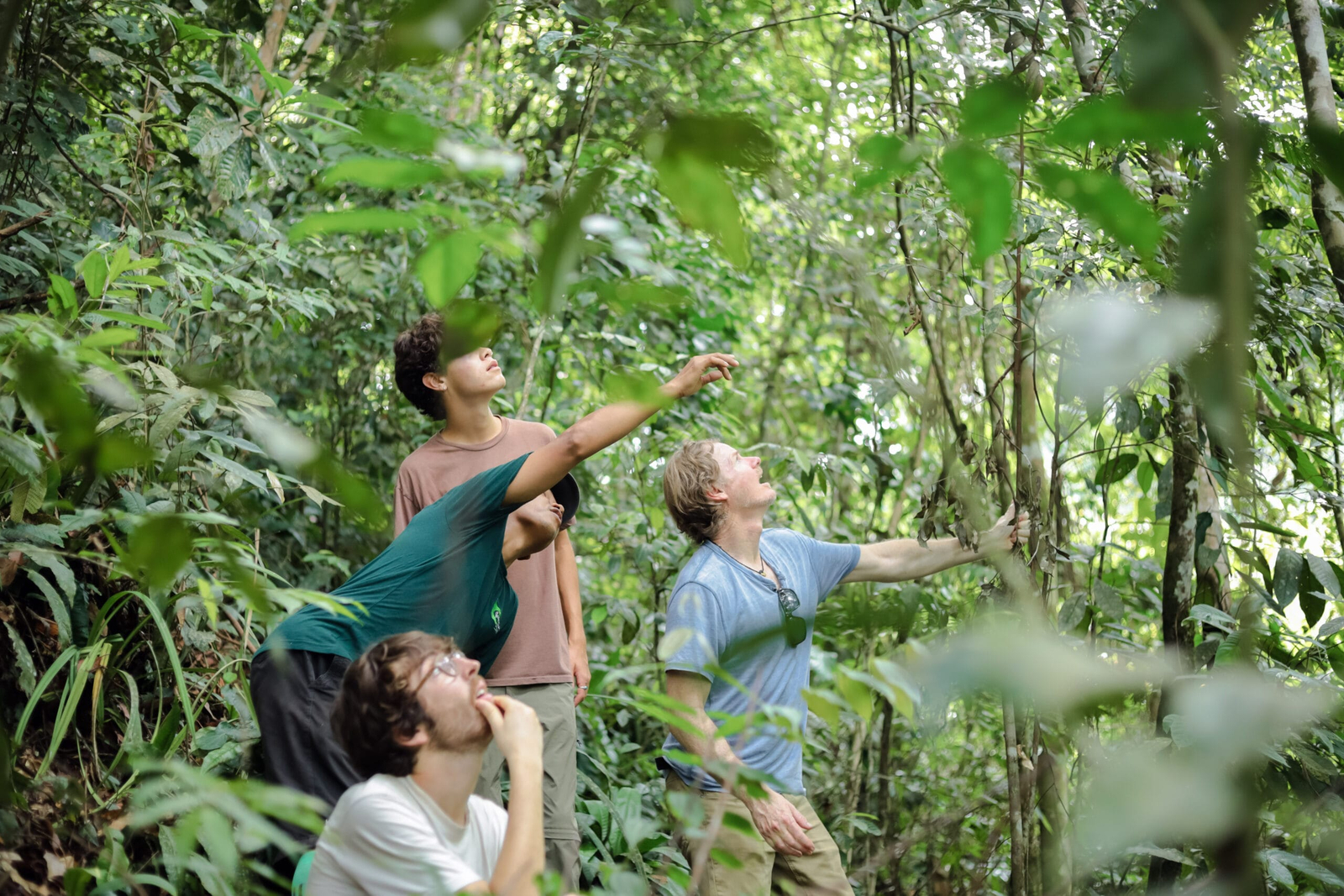
The rainforest does not work on a sightseeing schedule. An orangutan may appear high in the canopy for a few quiet minutes, or remain completely out of view. That uncertainty is exactly what makes an Indonesia Jungle Trek and Trekking in Indonesia so meaningful: you are entering a living forest, not visiting a wildlife display.
For many travelers, Sumatra offers the kind of jungle experience that is becoming harder to find. The air is warm and humid, trails can be muddy, and every walk is shaped by weather, wildlife movement, and the knowledge of the people guiding you. A good trek is not about covering the most ground. It is about moving carefully, seeing more by slowing down, and leaving the forest as undisturbed as possible.
Why choose Sumatra for jungle trekking?
Sumatra is home to some of Indonesia’s richest remaining rainforest, including the extraordinary Gunung Leuser ecosystem in North Sumatra. Its forests support orangutans alongside Thomas leaf monkeys, long-tailed macaques, hornbills, monitor lizards, gibbons, and countless smaller species that are easy to miss without a trained eye.
Bukit Lawang is one of the best-known gateways for guided rainforest walks because the village sits beside the national park and has a long tradition of local guiding. This makes it possible to choose an experience that fits your time, confidence, and interests, from a short family-friendly walk to a multi-day expedition with nights spent in the forest.
The trade-off is that jungle trekking here is real outdoor travel. Trails are not paved, humidity is high, and rain can arrive quickly. Travelers who arrive expecting a neat wildlife attraction may feel challenged. Those who come ready for a respectful adventure usually find that the unpredictability becomes part of the story.
Choose the right Indonesia jungle trek for your trip
The best trek length depends on more than fitness. Consider your available time, comfort with heat and uneven terrain, age of the youngest traveler in your group, and how deeply you want to experience the forest.
A three-hour or half-day trek is a strong introduction for families, travelers with limited time, or anyone unsure how their body will respond to jungle conditions. You can walk beneath the canopy, learn how guides read animal calls and forest signs, and have a chance of seeing wildlife without committing to a full day.
A full-day trek gives you more time away from the village edge and more room for the forest to set its own pace. It suits active travelers who want a fuller rainforest experience but prefer to return to comfortable accommodation that evening.
For people who want the jungle to feel less like an outing and more like a place, an overnight or multi-day trek is the natural choice. These trips may include simple riverside camps, meals prepared by your guide team, morning wildlife sounds, and a return journey by river where conditions allow. Multi-day trekking requires a positive attitude toward basic camping, rain, insects, and changing plans. It is rewarding, but it is not luxury travel.
What ethical orangutan trekking looks like
Seeing orangutans in the wild is a privilege. It also comes with responsibility, especially because orangutans are highly intelligent, vulnerable to habitat loss, and susceptible to human illness.
Responsible trekking starts with distance. Guides should never encourage guests to touch, feed, call to, or crowd orangutans. A close photo is never worth changing an animal’s behavior or exposing it to disease. If an orangutan moves toward the trail, the right response is usually to give it space and let your guide manage the situation calmly.
Food must stay packed away. Feeding wildlife can make animals dependent on people, alter natural behavior, and create risks for both visitors and animals. The same applies to litter: everything brought into the forest should come back out.
Choose a trek led by certified local guides who know the trails, understand wildlife behavior, and can make careful decisions when conditions change. Ethical guiding is not only about rules. It is about knowing when to pause, when to move on, and when an encounter should be observed from farther away.
If you have a fever, cough, or other contagious illness, postpone wildlife trekking. This can be disappointing, but protecting critically endangered animals matters more than keeping a travel schedule.
Prepare for heat, rain, and muddy trails
You do not need specialist expedition gear for most guided trekking in Indonesia. You do need practical clothing and a willingness to get dirty. Lightweight long pants and a breathable long-sleeved shirt help protect your skin from insects, vegetation, and sun. Quick-drying fabrics are more useful than cotton, which stays wet and heavy after rain.
For your daypack, bring these essentials:
- Refillable water bottle and any personal snacks
- Rain jacket or lightweight poncho
- Insect repellent and sunscreen
- Small personal first-aid supplies and required medication
- Phone or camera in a waterproof pouch
- Dry clothes for after the trek
Footwear depends on the route and recent weather. Trail shoes with grip work well for many people, while sturdy sandals with secure straps can be practical in wet conditions. Avoid flip-flops. Your guide can advise on current trail conditions before departure.
Leeches are part of rainforest life, particularly after rain. They are more surprising than dangerous, and your guide can show you how to check for them without panic. Do not spray the forest with chemicals in an attempt to avoid every insect. Covering up, using repellent responsibly, and staying calm are the better approach.
Safety comes from local knowledge, not bravado
A jungle trail can look easy at the start and become slippery after one heavy shower. River levels can change, fallen branches can block a route, and a traveler who feels fine in the morning may struggle in the afternoon heat. Experienced guides plan around these realities.
Tell your guide about injuries, allergies, medical conditions, or concerns about heights before the trek begins. There is no prize for hiding a bad knee or pretending you are comfortable with steep descents. A well-planned route can often be adjusted, but only if your guide has the information early.
Stay with your group, follow instructions near wildlife and water, and speak up if you need a break. Responsible trekking is not a test of toughness. It is shared decision-making that helps every guest enjoy the day safely.
Travel insurance that covers outdoor activities is a sensible part of trip planning. It is also wise to carry cash for small village purchases, arrange a local SIM card or offline maps before heading into remote areas, and allow extra travel time when moving between Medan, Bukit Lawang, Berastagi, or Lake Toba. Road journeys in Sumatra are often slower than maps suggest.
Make your visit matter beyond the trail
The best conservation-centered travel benefits more than the animal seen in a photograph. When visitors hire local guides, stay in locally run accommodations, eat at village restaurants, and join community-based activities, more of their spending remains in the area connected to the forest.
That connection matters in a place where livelihoods and conservation are closely linked. Locally rooted tourism can create reasons to protect natural landscapes while supporting families who call the region home. It is not a perfect solution to every conservation challenge, but it is a more thoughtful choice than treating the rainforest as a backdrop for rushed content.
Consider giving your itinerary some breathing room. Pairing a trek with a village walk, cooking class, rafting trip, cave visit, or a longer Sumatra route can turn a wildlife stop into a more complete understanding of the island. It also spreads visitor spending across more local businesses.
Set expectations for wildlife sightings
Orangutans are often the reason travelers come, but no ethical guide should promise a sighting. Wildlife is wild. Some days bring unforgettable encounters; other days reveal mostly bird calls, giant trees, insects, and the feeling of being far from city life.
Go in with curiosity rather than a checklist. Notice the guide pointing out a nest high in the branches, the sudden crash of monkeys moving overhead, or the way the forest changes after rainfall. These details are not second-best experiences. They are what trekking in a functioning rainforest is meant to feel like.
Choose your adventure based on your comfort, travel time, and values, then let the jungle provide the part no itinerary can script.