Info@bukitlawangtravel.com

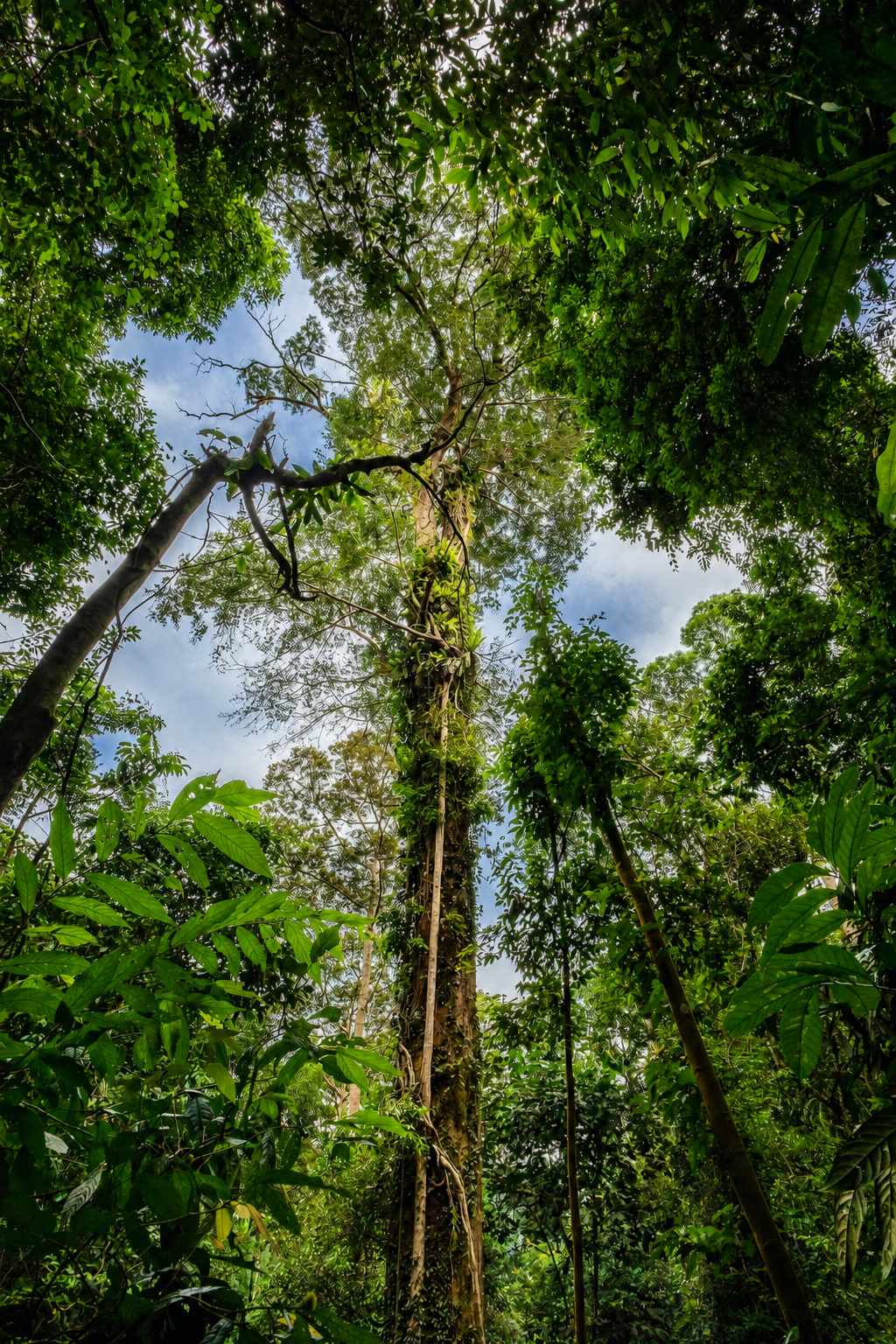
Gunung Leuser National Park and Orangutans in Sumatra
Plan a respectful wildlife journey to Gunung Leuser National Park and see Sumatra’s orangutans with ethical trekking tips, timing, and local insight.

A wild orangutan does not perform on cue. It may swing through the canopy above your trail, pause quietly in a fruiting tree, or remain completely out of sight. That uncertainty is exactly what makes Gunung Leuser National Park and Orangutans in Sumatra such a meaningful combination: this is real rainforest, home to animals living on their own terms.
For travelers, Bukit Lawang offers one of the most accessible gateways to this extraordinary forest. For the people who live here, the park is far more than an attraction. It is a living landscape that supports wildlife, rivers, forest-edge communities, and a local economy built around responsible nature travel. A good jungle trek should leave you with muddy boots, lasting respect for the forest, and as little impact as possible.
Why Gunung Leuser National Park matters
Gunung Leuser National Park stretches across parts of northern Sumatra and forms a vital section of the wider Leuser Ecosystem, one of Southeast Asia’s most important remaining rainforest landscapes. Its forests, rivers, and mountain habitats shelter an exceptional range of life, including Sumatran orangutans, Thomas’s leaf monkeys, long-tailed macaques, gibbons, hornbills, monitor lizards, and, much more rarely, elephants, tigers, rhinos, and clouded leopards.
The park is also part of the Tropical Rainforest Heritage of Sumatra, recognized for its biological importance. That recognition does not mean the forest is free from pressure. Habitat loss, forest fragmentation, illegal hunting, and conflict between people and wildlife continue to threaten many Sumatran species. The Sumatran orangutan is critically endangered, and protecting connected forest is essential to its future.
When visitors choose carefully managed trekking, they become part of a more positive local economy. Guides, drivers, homestays, cooks, porters, river guides, and small businesses all benefit when tourism spending stays in the community. This does not solve every conservation challenge, but it gives living forest a practical value for the people closest to it.
Orangutans in Sumatra: what makes them special
Sumatran orangutans are among our closest living relatives, but they are not simply “people of the forest” for a photo opportunity. They are highly intelligent, mostly arboreal great apes with complex behavior, long childhoods, and slow reproduction. A female generally has only one infant at a time and may wait many years before having another. That makes population recovery painfully slow when animals are lost.
In the Bukit Lawang area, some orangutans may be accustomed to seeing people because of the area’s long history with orangutan rehabilitation and nature tourism. Even so, they remain wild animals. Their behavior can change quickly, especially when they are feeding, caring for young, or feeling crowded.
A respectful encounter often looks quieter than visitors expect. You may stand with your group beneath the trees while your guide watches the animal’s body language. You may wait as an orangutan moves away, rather than following it. You may leave without the close-up photograph you imagined. Those are not missed opportunities. They are signs that the animal had space to choose.
What you might see on a trek
Orangutans are the best-known residents, but the rainforest is never a one-species experience. Gibbons can call across the canopy early in the morning. Thomas’s leaf monkeys often travel in energetic groups, their pale faces and long tails easy to recognize. Pig-tailed macaques, small birds, giant ants, colorful butterflies, and unusual fungi bring the forest floor to life.
Sightings are never guaranteed, including orangutan sightings. Wildlife is not scheduled, and a certified local guide will not make false promises. What guides can offer is knowledge of the terrain, seasonal fruiting patterns, animal behavior, safe routes, and how to observe without causing disturbance.
Ethical orangutan trekking means keeping your distance
The best jungle experiences are built on a simple principle: the animals come first. Responsible guides do not feed orangutans, touch them, call them closer, block their path, or encourage guests to pose beside them. Food changes wild animal behavior and can create dangerous expectations around people. Touching is harmful as well, because orangutans are vulnerable to many human respiratory illnesses.
Keep a generous distance, commonly at least 10 meters when conditions allow, and follow your guide’s instructions if an animal approaches the trail. Never bring food out around orangutans or monkeys. Secure snacks in your bag, avoid sudden movements, and do not use flash photography. If you are sick with a cough, fever, or other contagious symptoms, postpone the trek. It is a disappointing decision, but it protects wildlife.
Group size matters too. Small, well-managed groups are less intrusive and easier to guide safely. A guide should be willing to slow the group down, change direction, or end an encounter when the animals show signs of stress. This can feel less dramatic than crowded wildlife tourism, but it is the kind of choice that helps keep the experience worthwhile in the long term.
Choosing the right Gunung Leuser trek
Your best trek depends less on fitness labels and more on what you want from the forest. A three-hour or half-day walk can be a strong choice for families, travelers with limited time, or anyone who wants an introduction to jungle terrain. You will still need sturdy footing and patience with heat and humidity, but the pace can be adapted to the group.
A full-day trek gives you more time to move beyond the busiest trails and enjoy the changing rhythm of the forest. It is a good middle ground for first-time visitors who are reasonably active and want a deeper wildlife experience without camping overnight.
For travelers who want the rainforest after dark and before the morning calls begin, an overnight trek offers something different. You camp in designated areas, share a simple jungle meal, and wake in the forest rather than arriving after breakfast. Multi-day expeditions can run longer, but they are not automatically “better.” They require comfort with steep, slippery paths, limited facilities, insects, rain, and a more basic routine.
The right operator will explain what is included, how difficult the route is likely to be, what camping arrangements look like, and what happens if weather or river conditions change. Bukit Lawang Travel designs guided options from shorter family-friendly walks to longer jungle expeditions, helping guests choose an adventure that fits their confidence and time in Sumatra.
When to visit and what to pack
Sumatra is a rainforest destination, so rain is possible in every month. Many travelers prefer the relatively drier period from around May through September, when trails can be somewhat easier and travel plans more predictable. The wetter months can bring heavier rain, muddier ground, and changing river conditions, but also lush forest, fewer visitors, and excellent atmosphere. Weather patterns vary, so flexibility matters more than chasing a perfect forecast.
For a day trek, bring a refillable water bottle, lightweight rain protection, insect repellent, sunscreen for open areas, personal medication, and a small dry bag for your phone and camera. Wear breathable clothing that covers your legs, plus footwear with reliable grip. Sandals and new white sneakers are poor matches for muddy roots and riverbanks.
Pack lightly for an overnight trek, but do not skip dry clothes, a headlamp, and a waterproof layer. Your guide can advise on the practical details, including whether leech socks, trekking poles, or water shoes make sense for the season and route.
Getting to Bukit Lawang with room for real travel
Most international visitors begin in Medan, then travel by private car or shared transport toward Bukit Lawang. The journey commonly takes several hours and can take longer depending on traffic, weather, and road conditions. If you are arriving on an international flight, avoid scheduling a trek too tightly after landing. An overnight in Medan or Bukit Lawang can make the start of your trip much calmer.
Bukit Lawang also works well within a wider North Sumatra itinerary. You might continue toward Berastagi’s highlands, Lake Toba, village experiences, rafting, or other locally guided adventures. Building in one unscheduled afternoon is wise. It gives you time to recover from travel, enjoy the village, and let the pace of the jungle replace the pace of an airport itinerary.
The forest is the experience, not the backdrop
A responsible visit to Gunung Leuser asks a little more from travelers. It asks you to accept humidity, mud, uncertainty, and the possibility that wildlife will keep its distance. In return, it offers something far more valuable than a staged encounter: a chance to walk through a forest where orangutans are still free to be wild.
Choose certified local guides, respect trail rules, carry out what you carry in, and let every sighting happen on the animal’s terms. That is how an adventure in Sumatra can support both the rainforest you came to see and the community that welcomes you to it.