Info@bukitlawangtravel.com

Bukit Lawang Rafflesia Tour: What to Expect
Plan a responsible Bukit Lawang Rafflesia tour with local guides. Learn when blooms appear, what to pack, and how your visit respects the forest deeply.

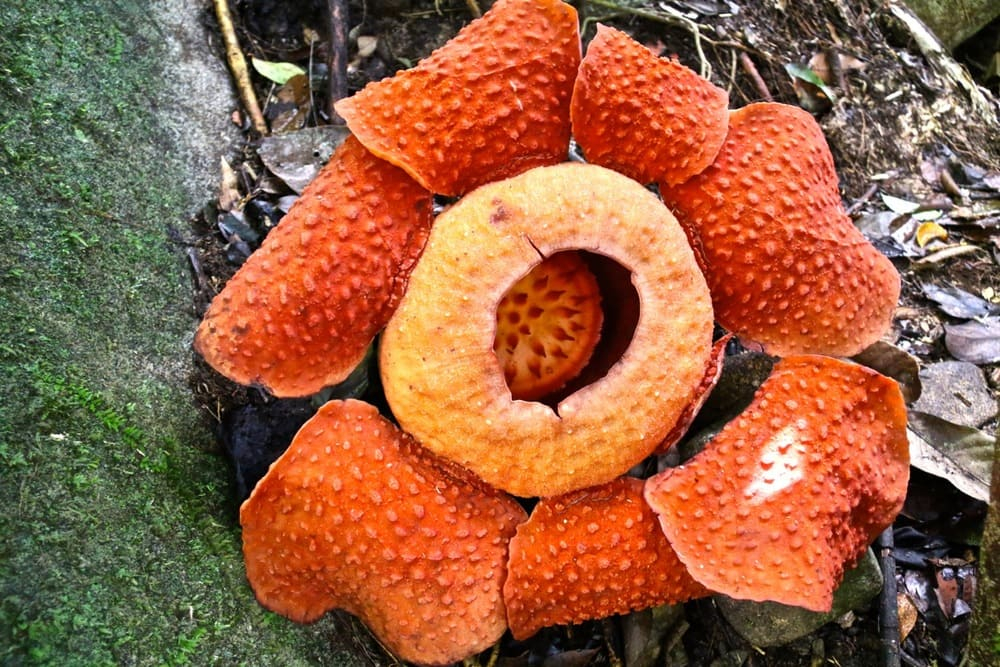
A Rafflesia bloom can take months to develop, then last only a few days at full display. That short window is exactly what makes a Bukit Lawang Rafflesia tour feel so special: you are not visiting a staged attraction, but following the forest’s own timetable.
Rafflesia is one of Southeast Asia’s most remarkable plants. It has no leaves, stems, or roots of its own, living instead as a parasite within a host vine until its large flower emerges. Seeing one in the wild is a rare reward for travelers who value the quieter side of a jungle adventure – careful observation, local knowledge, and respect for a living ecosystem.
What a Bukit Lawang Rafflesia Tour Is Like
A Rafflesia excursion is a guided forest walk focused on locating active blooms or developing buds in suitable rainforest habitat. Conditions can vary with the season, recent rain, trail access, and, most of all, the flowering cycle. Certified local guides monitor reports from communities and forest areas, helping guests travel at the best available time while setting honest expectations.
This is not a guaranteed flower-on-demand experience. A bloom may fade before a planned visit, and some days the most exciting find may be a large bud rather than an open flower. That uncertainty is part of responsible nature travel. Rather than forcing an encounter, the tour works with the rainforest and protects the conditions that allow rare plants to survive.
The walk itself can involve uneven ground, mud, humidity, and sections of natural trail. Your guide will set a pace appropriate to the group and point out other details along the way, from medicinal plants and bird calls to insects, fungi, and signs of wildlife. For many guests, the journey becomes as memorable as the flower.
Why Local Guides Make the Difference
Rafflesia can be difficult to spot, even when you are standing close to it. Its buds and flowers occur low to the ground or near the forest floor, often hidden among vines, leaf litter, and dense vegetation. Local guides know how to move through these areas with care, recognize changing conditions, and avoid damaging host plants or fragile buds.
Their role is also essential for safety. Forest paths are not always marked like a city park, and tropical weather can change quickly. A knowledgeable guide helps you choose suitable footwear, manage slippery sections, and stay on routes that reduce disturbance to the habitat.
When you travel with a locally based operator such as Bukit Lawang Travel, your visit also supports people whose livelihoods are connected to protecting the forest. Responsible tourism creates reasons for communities to value intact habitat over short-term exploitation.
How to Visit Responsibly
The best Rafflesia sightings happen when visitors give the plant space. Never touch the flower, its bud, or the vine around it. Rafflesia is delicate, and a small amount of pressure can damage a developing bloom that took many months to form.
Listen closely when your guide asks the group to stand in a particular place. This helps prevent soil compaction and keeps people from stepping on young buds that may be concealed beneath leaves. Keep voices low, carry out all trash, and avoid bringing food into sensitive viewing areas.
Photography is welcome when done patiently. Stay on the designated side of the plant, avoid moving leaves or branches for a better shot, and skip flash if your guide recommends it. A respectful photograph tells a better story than a close-up obtained at the expense of the forest.
What to Pack for the Forest
Comfortable, broken-in walking shoes with good grip are usually the most useful item. Lightweight long pants and a breathable long-sleeve shirt offer protection from scratches, insects, and sun. Bring a reusable water bottle, rain jacket, insect repellent, and a small daypack.
A waterproof phone pouch or dry bag is worth carrying during wet weather. If you use a camera, keep it protected from humidity and rain. Avoid heavy luggage and unnecessary disposable packaging, especially on trips that include longer transfers or forest walks.
Choosing the Right Time for a Rafflesia Excursion
Because blooming cannot be scheduled with certainty, flexibility is more valuable than a fixed date. If Rafflesia is high on your Sumatra wish list, allow extra room in your itinerary and ask about the latest sightings before finalizing the excursion. Recent local updates are more useful than broad seasonal promises.
You may also choose to pair the experience with an ethical orangutan trek, village activity, or a longer North Sumatra itinerary. That way, the journey remains full of meaningful encounters even if the flower is between bloom cycles.
A Rafflesia tour asks for patience, sturdy shoes, and an open mind. In return, it offers a close look at a rainforest wonder that cannot be rushed, replicated, or separated from the people working to protect its home.