Info@bukitlawangtravel.com

Where to Stay in Bukit Lawang for Every Trip
Where to Stay in Bukit Lawang: compare riverside rooms, quiet jungle-edge stays, family options, and practical tips for responsible trekking trips there.

The best answer to Where to Stay in Bukit Lawang is not simply “by the river.” The village is small, but the feel of your stay can change a lot depending on whether you want easy access to restaurants and trek departures, a quieter jungle soundtrack, or a room that works well for young children. Choose with your trekking plans in mind, and your accommodation becomes part of the adventure rather than just a place to sleep.
Bukit Lawang is a relaxed riverside village at the edge of Gunung Leuser National Park, where most visitors come to experience the Sumatran rainforest responsibly. You will not find large resort compounds here. Instead, expect locally run guesthouses, small eco-lodges, family homes, and simple riverside rooms. That is part of the place’s character: your stay can directly support local families, guides, cooks, drivers, and small businesses.
Where to Stay in Bukit Lawang Based on Your Travel Style
Most accommodation is on the village side of the Bohorok River, close to the bridge and the paths that run along the water. The national park lies across the river, and responsible visitors stay in established village accommodation rather than seeking lodging inside protected forest areas.
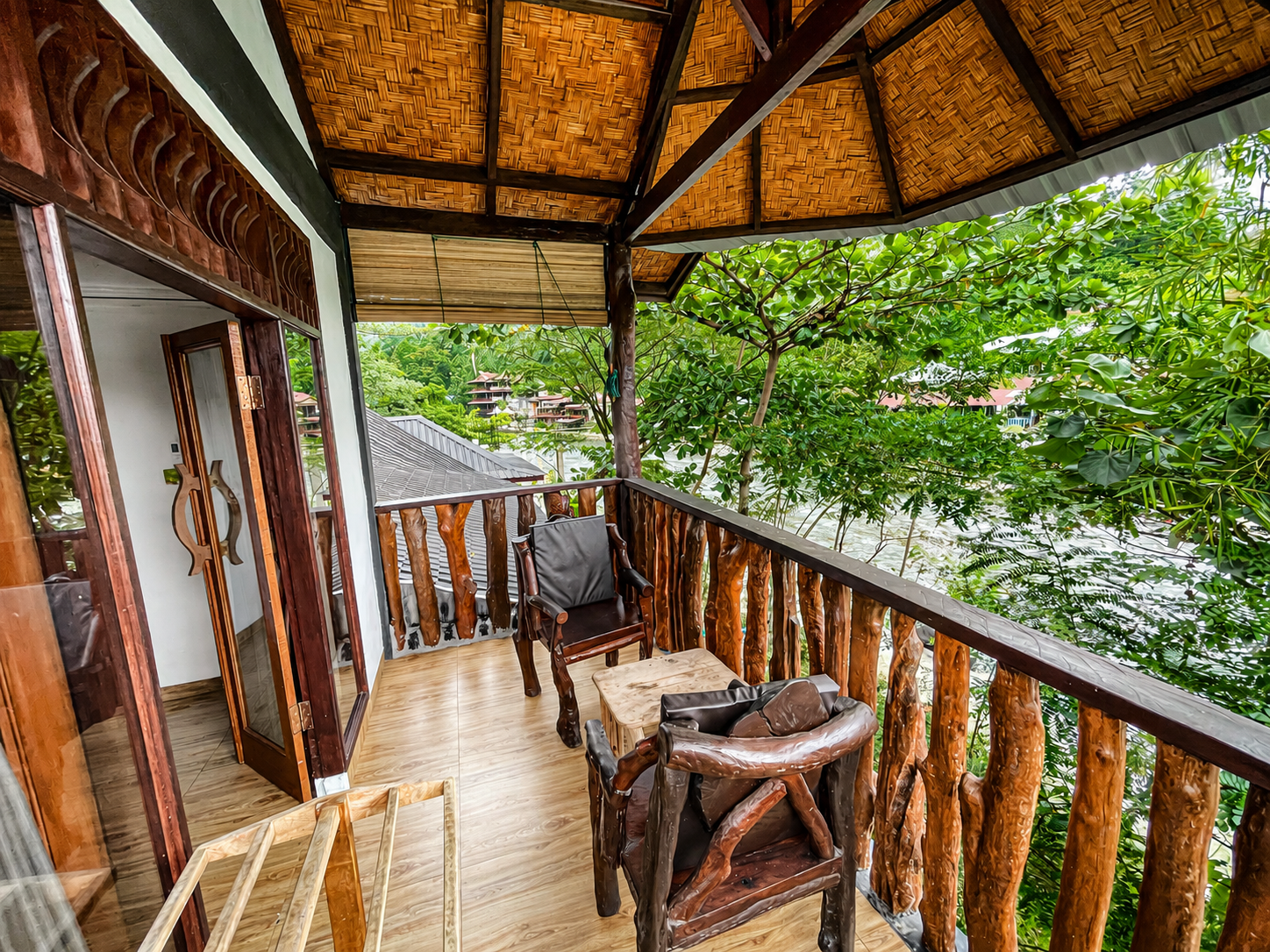
For a first visit, especially if you are joining a short orangutan trek or arriving after the drive from Medan, a central riverside stay is usually the easiest choice. You can walk to cafés, small shops, meeting points, and the bridge without needing transport. The sound of the river is constant, and rooms with balconies can make even a simple stay feel special.
Travelers who value quiet over convenience may prefer accommodation a little farther from the central bridge area. These properties can feel more tucked into the greenery, with fewer people passing outside your room. The trade-off is that dinner options and social spots may require a longer walk along uneven paths, particularly after dark or during rain.
Families and travelers who prefer a softer introduction to jungle travel should prioritize comfort and access rather than chasing the most remote-looking room. A clean private bathroom, reliable mosquito screens, easy walking distance to your guide meeting point, and space for bags make a real difference before and after a trek. If you are traveling with children, ask about room layouts, railing safety on balconies, and whether the property is close to the river’s steep banks.
The Main Areas to Consider
Near the bridge and village center
Staying near the bridge puts you in the heart of Bukit Lawang. This area suits solo travelers, couples, and groups who like being able to step out for coffee, a meal, or a chat with other travelers. It is also practical for an early trek start, transport pickups, and arranging activities such as rafting, village walks, or a cooking class.
The compromise is activity. Depending on the property, you may hear passing guests, restaurant music, motorbikes on nearby roads, or early morning village life. This is not a destination for silent, sealed-up hotel rooms. Bring earplugs if you are a light sleeper, but do not mistake everyday local life for a lack of quality.
Riverside rooms with a direct view
A riverside balcony is a lovely choice for travelers who want to slow down between adventures. After a humid jungle walk, sitting above the moving water with a cold drink can be one of the best parts of the trip. River-facing rooms also provide a strong sense of place, especially during the early morning when the village is still waking up.
However, a river view does not automatically mean a better room. Check whether the bathroom is private, whether hot water is available, and whether the room has secure windows or screens. During heavier rain, the river can become loud and the paths can be slippery. For many guests, that is part of the rainforest atmosphere. For others, a room set slightly back may offer a more restful night.
Quieter jungle-edge stays
Properties farther along the village paths can offer more greenery, fewer people, and a stronger feeling of being close to the forest. They work particularly well for couples, photographers, and travelers staying several nights who want time to read, watch birds, and settle into the pace of the village.
Choose this option with clear expectations. “Jungle-edge” should mean you are near the forest, not that wildlife is being lured onto the property or that you will be sleeping inside the national park. Ethical wildlife experiences happen on guided treks with proper distance and care, not through feeding animals around guesthouses. You may see macaques, monitor lizards, birds, or insects near accommodation, but keep food secured and never encourage wild animals to approach.
Choose Your Room Around Your Trek
Your trek duration should shape your booking. For a three-hour or half-day family-friendly trek, one or two nights in Bukit Lawang can work if your transport timing is efficient. A two-night stay is more comfortable because it gives you a buffer after arrival and leaves time to enjoy the village instead of rushing straight back to the road.
For a one-night jungle trek or a multi-day expedition, book at least one night before your departure and one night after you return. The pre-trek night gives you time to meet your certified guide, sort your daypack, and ask practical questions. The post-trek night matters just as much. You will appreciate a shower, clean clothes, a proper meal, and a bed before a long onward journey to Medan, Berastagi, or Lake Toba.
If you are building a wider Sumatra itinerary, avoid treating Bukit Lawang as a single overnight stop. Three nights often creates a much better rhythm: arrival and rest, a guided jungle experience, then a recovery day or a second community-based activity. It also gives you more flexibility if weather, road conditions, or transport schedules shift.
What “Eco-Friendly” Accommodation Should Mean Here
Eco-friendly is more than bamboo furniture and a jungle-themed sign. In Bukit Lawang, a responsible stay should operate with respect for the river, the national park, and the people who live here. Small accommodations may not have every feature of a high-end eco-resort, but their day-to-day choices still matter.
Look for places that avoid wildlife feeding, manage trash carefully, reduce unnecessary single-use plastic, and use local staff and suppliers. Refillable drinking water is a useful feature, but bring your own reusable bottle as well. Laundry practices, refill stations, locally sourced meals, and a willingness to explain waste or water systems are often better signs than broad green claims.
Be realistic about infrastructure. Electricity, Wi-Fi, water pressure, and hot water can be less consistent than in a city hotel, particularly in bad weather or at busy times. Think of reliable basics as the goal, then treat excellent connectivity as a bonus. If you need to work online or have an essential flight connection, ask your accommodation in advance rather than assuming the signal will hold.
Practical Booking Tips Before You Arrive
Bukit Lawang has options at different price points, from simple fan rooms to more comfortable private bungalows. The best choice depends on your priorities, but booking early is wise during popular travel periods and if you need a family room, air-conditioning, or a specific river view.
Before confirming, ask a few direct questions: Is the bathroom private? Is breakfast included? How far is the walk from the vehicle drop-off? Is the path manageable with luggage? Are mosquito nets or screens provided? Can the property hold your larger bag safely while you are on a multi-day trek? Clear answers are more useful than polished photos.
Also consider arrival time. Many visitors come from Medan, and road journeys can take longer than expected. A property with a straightforward pickup point and staff who know you are arriving late can remove a lot of stress. If your stay is arranged alongside your trekking and transport, Bukit Lawang Travel can help coordinate the practical details so your room, guide, and onward plans fit together.
A Stay That Supports the Place You Came to See
The most rewarding place to stay is one that gives you the comfort you need without separating you from Bukit Lawang itself. Eat at local places, refill your bottle, walk gently on village paths, and save your wildlife hopes for the forest with a certified guide. When your accommodation and trek are chosen thoughtfully, your visit supports a living community and helps keep this extraordinary rainforest experience worth protecting.