Info@bukitlawangtravel.com

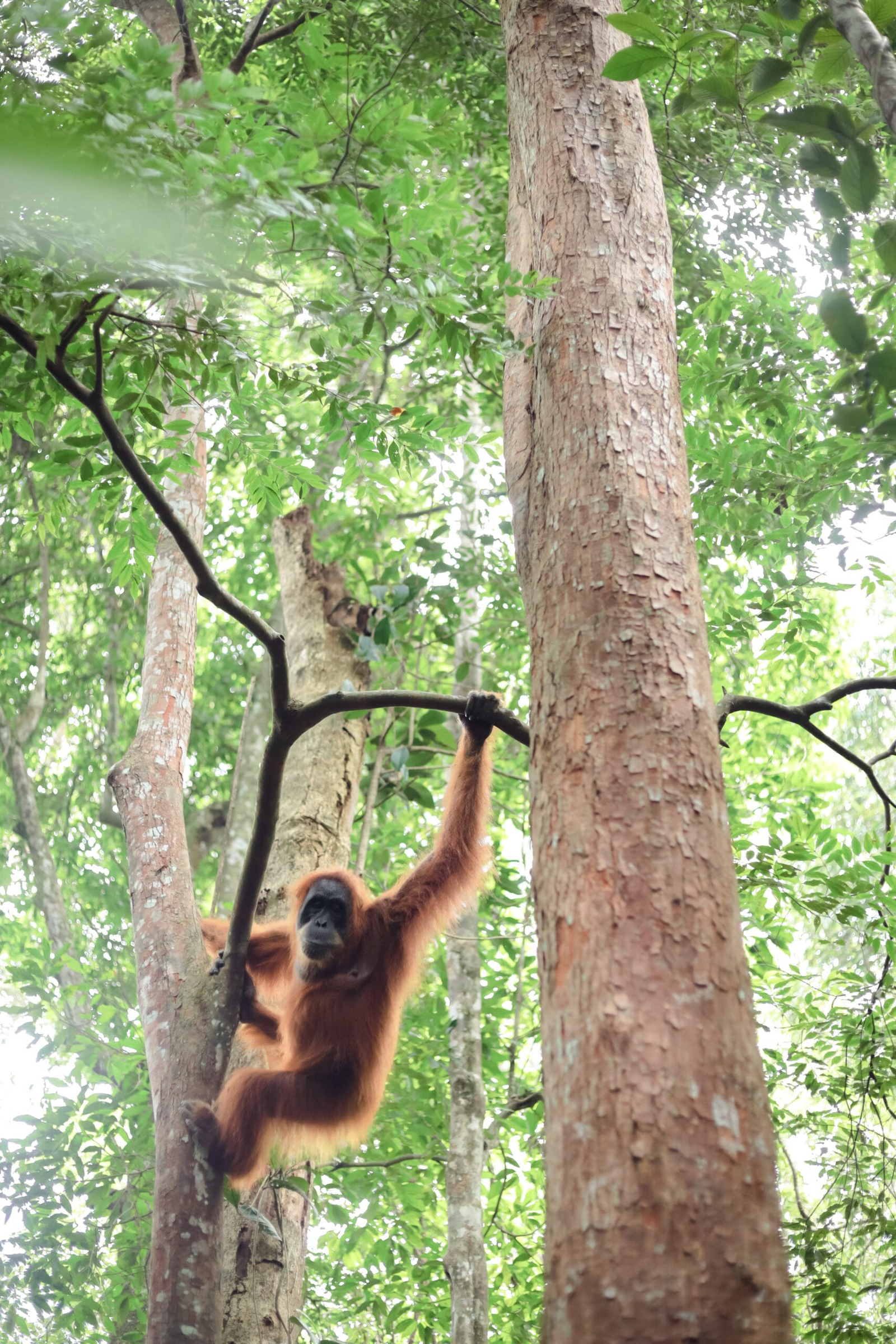
Ethical Orangutan Trekking in Bukit Lawang
Ethical orangutan trekking in Bukit Lawang pairs certified local guides, wildlife-respectful encounters, and community benefit for better rainforest trips.

A wild orangutan moving quietly through the canopy is not a photo opportunity to chase. It is a rare moment to witness from a respectful distance. If your search has brought you to Ethical Orangutan Trekking, Eco Tour Bukit Lawang, Gunung Leuser Tour, Orangutan Jungle Tour, this is the standard that matters most: the experience should protect the animal, support local people, and leave the forest better off than it was before your visit.
Bukit Lawang sits at the edge of one of Southeast Asia’s most remarkable rainforest landscapes. A guided trek here can be exciting, muddy, challenging, and deeply personal. It can also be responsible – but only when visitors and guides make wildlife welfare the priority.
What ethical orangutan trekking looks like
Ethical trekking is not defined by how close you get to an orangutan or how many animals appear in your camera roll. It is defined by how little your presence changes their natural behavior.
A responsible trek uses certified local guides who know the forest, understand animal behavior, and can make careful decisions in real time. If an orangutan is feeding, traveling with a baby, resting, or showing signs of stress, the guide should manage the group’s position and pace accordingly. Sometimes that means waiting quietly. Sometimes it means moving on without the perfect view.
Feeding, touching, calling to, or blocking the path of orangutans is never part of an ethical encounter. Wild animals should remain wild. Food offered by visitors can alter natural foraging behavior, create dependence, and increase the risk of disease transmission between people and primates.
Distance matters, too. Your guide will follow current park guidance and assess each encounter carefully, keeping the group well back whenever possible. This is especially important around mothers and infants. An orangutan carrying a young baby needs space, calm, and a clear route through the trees.
There is a trade-off that responsible travelers should welcome: a respectful sighting may be farther away, shorter, or less predictable than a staged wildlife experience. That uncertainty is part of what makes a real rainforest encounter meaningful.
Why a Gunung Leuser tour needs local guidance
Gunung Leuser National Park is not a zoo, a paved attraction, or a place to explore casually without preparation. The terrain can be steep and slippery, rain can arrive quickly, and trails can change with weather conditions. Local guides bring practical safety knowledge, but their role goes well beyond navigation.
They read the jungle through sound, tracks, fruiting trees, and movement in the canopy. They know when to slow down near wildlife and when a route is unsuitable after heavy rain. They also help guests understand that the forest is a living system, not just a backdrop for orangutan sightings.
On a thoughtful Gunung Leuser tour, you may notice Thomas’s leaf monkeys leaping through branches, long-tailed macaques along the trail, hornbills overhead, giant forest insects, and the small details that make the rainforest feel alive. Orangutans are the best-known residents, but the wider ecosystem is the reason they can survive here.
Choosing a locally based operator also keeps more of the value of your trip in the community. Guides, drivers, cooks, guesthouses, raft crews, and village-based activity providers all contribute to the visitor experience. When tourism is planned well, it creates reasons for local families to protect the landscape that supports their livelihoods.
Choose the right orangutan jungle tour for your group
The best trek is not automatically the longest one. Your ideal format depends on fitness, available time, comfort with heat and uneven ground, and whether your group includes children or first-time trekkers.
A short, family-friendly walk can be a wonderful introduction to the forest. It gives travelers a guided chance to learn about orangutan habitat and tropical ecology without committing to a full day of steep trekking. This option suits families, visitors with limited time, and anyone who wants an accessible nature experience.
A full-day trek offers more time in the rainforest and often a stronger sense of immersion. Expect humidity, muddy sections, regular climbs, and breaks along the way. It is a good fit for active travelers who want a meaningful day outdoors but prefer to return to town by evening.
For guests ready for a deeper adventure, overnight and multi-day expeditions bring a different rhythm. You travel farther, sleep in simple jungle camp conditions, and wake up surrounded by forest sounds rather than traffic. These trips require more physical readiness and flexibility, especially during wet weather, but they can be extraordinarily rewarding.
Night treks focus less on orangutan viewing and more on the forest after dark. With a guide and appropriate lighting, travelers may spot frogs, insects, spiders, and other nocturnal life. It is a specialized experience, not a replacement for a daytime wildlife trek.
How to be a responsible guest in the rainforest
Your guide manages the route, but every visitor has a role in protecting the forest. The best approach is simple: travel lightly, listen closely, and accept that nature sets the schedule.
Bring a refillable water bottle, lightweight rain protection, closed shoes with good grip, insect repellent, and clothing you do not mind getting wet or muddy. Avoid strong perfumes, keep voices low near wildlife, and secure snacks so animals are not drawn toward your bag. Never leave food scraps, tissues, plastic, or other waste in the forest.
If you are sick with a cough, fever, stomach illness, or other contagious symptoms, tell your operator before the trek. Orangutans are closely related to humans and can be vulnerable to human-borne illnesses. Rescheduling can be disappointing, but protecting wildlife is more important than completing an itinerary.
Photography deserves the same care. Use a zoom lens rather than stepping closer. Do not use flash. Put the camera down when your guide asks you to move, and do not pressure the group to stay longer for a better angle. The most memorable images often come from patience, not proximity.
An eco tour in Bukit Lawang should benefit more than visitors
An eco tour is not made sustainable by using the word eco in a brochure. It should show up in day-to-day choices: locally employed guides, small groups, responsible waste practices, accommodations that reduce unnecessary impact, and activities that direct visitor spending into the village.
This matters in Bukit Lawang because tourism and conservation are closely connected. Visitors come for the rainforest, yet unmanaged tourism can put pressure on trails, wildlife, water, and local infrastructure. The goal is not to keep people out. It is to welcome people in a way that respects the limits of the place.
Community-based experiences can add real depth to a jungle itinerary. A village walk, cooking class, cave visit, rafting trip, or a broader Sumatra route that includes Lake Toba or Berastagi gives travelers more ways to understand North Sumatra beyond one animal encounter. It also spreads tourism income across more local businesses and families.
At Bukit Lawang Travel, our family-run approach is built around that connection. We want guests to feel the excitement of the jungle while knowing their trek is led by certified local guides and shaped by wildlife-respectful practices.
Set expectations before you book
No ethical guide can promise an orangutan sighting on a specific day. Wildlife is not scheduled, and honest operators will never guarantee a close encounter. Seasonal fruit availability, weather, trail conditions, and animal movement all affect what you may see.
Ask practical questions before choosing your trip. Find out the trek duration, expected difficulty, group size, what meals or equipment are included, and how transportation from Medan or other Sumatra destinations can be arranged. If you have mobility concerns, are traveling with children, or have a tight onward schedule, share that early. A good operator can recommend a route that matches your needs instead of pushing the biggest package.
Ready for an adventure that matters? Choose the trek that fits your abilities, follow your guide’s lead, and give the rainforest the patience it deserves. The privilege is not getting closer to an orangutan. It is leaving knowing your visit respected its home.
[…] Lawang is known worldwide as a gateway to Gunung Leuser National Park and ethical orangutan trekking. Yet the villages surrounding the park are equally tied to the land. Families grow rice and fruit, […]