Info@bukitlawangtravel.com

Explore Sumatra Orangutans Responsibly
Explore Sumatra orangutans with certified guides in Bukit Lawang. Learn when to go, what to bring, and how ethical trekking supports wildlife protection.
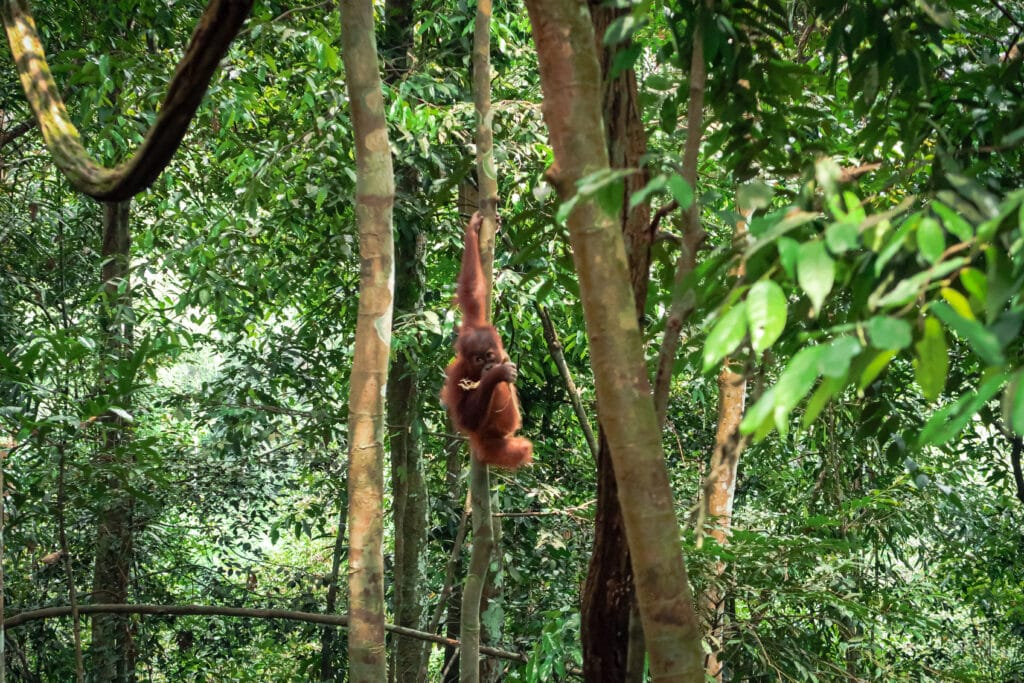
A wild orangutan moving through the canopy can make a rainforest go quiet. You may hear branches shift overhead, spot a flash of rust-colored fur, and realize you are standing in one of the last strongholds of a critically endangered great ape. If you are searching for “Sumatra Orang Utan explore,” Bukit Lawang offers far more than a wildlife sighting. It offers a chance to experience the rainforest with care, local knowledge, and a real connection to the people who call this landscape home.
Bukit Lawang sits on the edge of Gunung Leuser National Park in North Sumatra, one of Southeast Asia’s most important remaining rainforest ecosystems. A guided trek here can be challenging, muddy, hot, funny, surprising, and deeply rewarding. The right trip is not about chasing a perfect photo. It is about moving thoughtfully through orangutan habitat and leaving it as wild as possible.
Why Bukit Lawang Is Special for Orangutan Trekking
Sumatran orangutans live only on the Indonesian island of Sumatra. Unlike their Bornean relatives, they share their shrinking forest home with an extraordinary range of wildlife, including Thomas’s leaf monkeys, long-tailed macaques, pig-tailed macaques, hornbills, monitor lizards, and sometimes wild peacocks.
Gunung Leuser National Park protects a vast area of rainforest, mountains, rivers, and lowland habitat. Bukit Lawang is one of the best-known gateways because visitors can reach the jungle with a local guide while staying in a lively riverside village. It is an adventure that can fit into a wider Sumatra trip, including Medan, Berastagi, Lake Toba, or the villages and landscapes farther south.
Still, wild nature does not follow a schedule. Orangutan sightings are common in the forest around Bukit Lawang, but they can never be guaranteed. Weather, fruiting trees, forest conditions, and the animals’ own choices all shape what you see. A responsible guide will never promise an orangutan on a particular branch at a particular time.
Choose Your Sumatra Orangutan Explore Experience
The best trek depends on your time, fitness, travel style, and comfort level. You do not need to be an expert hiker to enjoy Bukit Lawang, but you should choose honestly. Tropical rainforest terrain can be steep and slippery, especially after rain.
A three-hour jungle walk is a good choice for families, first-time trekkers, or travelers with limited time. It gives you an introduction to the forest, opportunities to look for wildlife, and a feel for the trails without committing to a full day. It can also work well alongside a village walk, rafting activity, or onward travel.
A full-day trek gives the jungle more time to reveal itself. You may travel farther from the village, stop for a simple forest lunch, and experience the changing rhythms of the day. This format suits travelers who want a deeper encounter but prefer to sleep back at their accommodation that night.
For many adventure travelers, an overnight or multi-day expedition is the most memorable option. Spending a night in the rainforest changes the pace completely. The daytime calls soften, insects take over the soundscape, and the darkness reminds you how large the forest really is. Multi-day trips require more stamina and flexibility, but they also offer a stronger sense of immersion. A river-tubing return can be included on some routes when conditions are safe.
Night treks are different again. They are not designed around orangutan sightings, since orangutans build nests and rest after dark. Instead, a night walk introduces the smaller residents of the forest: frogs, insects, spiders, and other nocturnal life. Go with a guide, use a proper light, and keep expectations focused on observation rather than thrill-seeking.
What Ethical Orangutan Viewing Looks Like
The quality of an orangutan trek is measured by more than how close you get. In fact, close encounters can be a warning sign when they involve crowding, feeding, touching, or disturbing an animal’s natural behavior.
Ethical wildlife trekking means allowing orangutans space. Guides should manage the group’s position, keep voices low, and move on when an animal appears uncomfortable or begins changing its behavior because of people nearby. Guests should never touch an orangutan, even if one comes close. Orangutans are powerful wild animals, and close contact can transmit diseases in both directions.
Feeding wildlife is also not responsible. It may create dependency, alter natural foraging behavior, and encourage animals to approach visitors. The most meaningful sighting is often the least staged one: an orangutan feeding high in a fruit tree, a mother carefully moving with her young, or a large male traveling silently through the forest.
Your guide matters here. Certified local guides know the trails, the weather patterns, the wildlife behavior, and the practical safety decisions that are hard to see from the outside. They also help ensure that guests understand why a respectful viewing distance is part of the adventure, not a limitation on it.
Prepare for Heat, Mud, and Real Jungle Conditions
Rainforest trekking is not a polished attraction. Trails can be uneven, roots can be slick, and humidity can feel intense even early in the morning. Coming prepared lets you focus on the experience rather than the discomfort.
Wear lightweight clothing that dries quickly and covers your shoulders and legs. Comfortable trail shoes with grip are usually better than sandals, and leech socks can be useful in wet conditions. Bring drinking water, insect repellent, sunscreen for open areas, and a small rain jacket or poncho. A dry bag is helpful for your phone, camera, and passport copies.
Pack light for a day trek. For an overnight expedition, your operator can explain what food, bedding, and essential gear are included and what you need to carry yourself. Do not bring single-use plastic into the forest if you can avoid it. Refillable water bottles and reusable snack containers make a small but worthwhile difference.
A reasonable fitness level is enough for many routes, but be clear about injuries, mobility concerns, medical conditions, or fear of heights before booking. The jungle does not reward bravado. A good guide can recommend a route and pace that suits your group, and there is no shame in choosing a shorter trek.
Plan the Practical Parts Before You Arrive
Most international visitors begin their Sumatra journey in Medan. From there, Bukit Lawang is typically reached by private car, shared transport, or an arranged transfer. Travel times vary with traffic, road conditions, and where you start, so avoid booking an onward flight too tightly around your trek.
Bukit Lawang has accommodation for different budgets, from simple guesthouses to more comfortable eco-minded stays. Booking your transport, room, and trek together can make arrival much easier, especially after a long flight. It also gives you one local point of contact if plans change because of weather or travel delays.
Indonesia’s entry requirements can change, so check current visa and passport rules before departure. It is also wise to arrange travel insurance that covers trekking activities, carry some Indonesian rupiah for local purchases, and get a SIM card or eSIM with coverage that works for your route. Signal can be limited once you are in the forest, which is part of the point.
The driest months are often preferred for trekking, but Sumatra’s rainforest can receive rain at any time of year. Dry-season trails may be easier underfoot, while greener wet-season conditions can bring more mud, fuller rivers, and a different kind of jungle atmosphere. If you are flexible and properly equipped, there is no single perfect month for every traveler.
Let Your Visit Benefit Bukit Lawang
Responsible travel should support more than a memorable itinerary. When visitors book with locally based guides, stay in locally run accommodation, eat at village businesses, and join community-based activities, more of their spending remains in Bukit Lawang.
That matters because conservation and livelihoods are connected. Local guiding creates reasons to protect forest knowledge and wildlife habitat. Village walks, cooking classes, cave exploration, rafting, and visits to nearby destinations can spread visitor income beyond one activity while helping travelers understand the culture around the national park.
Bukit Lawang Travel is family-owned and locally based, with certified guides and trek options ranging from short introductions to multi-day rainforest expeditions. The goal is simple: welcome guests warmly, guide them safely, respect wildlife, and make sure the adventure contributes positively to the community hosting it.
Come ready to walk slowly when the forest asks you to, listen more than you speak, and accept that the best moments may not be the ones you planned. A glimpse of an orangutan in its own forest is not a performance. It is a privilege.