Info@bukitlawangtravel.com

Pulau Weh Travel Guide for a Responsible Escape
Plan a thoughtful Pulau Weh vacation with this Sabang travel guide: beaches, diving, transport, island stays, and responsible ways to visit well now, with care.
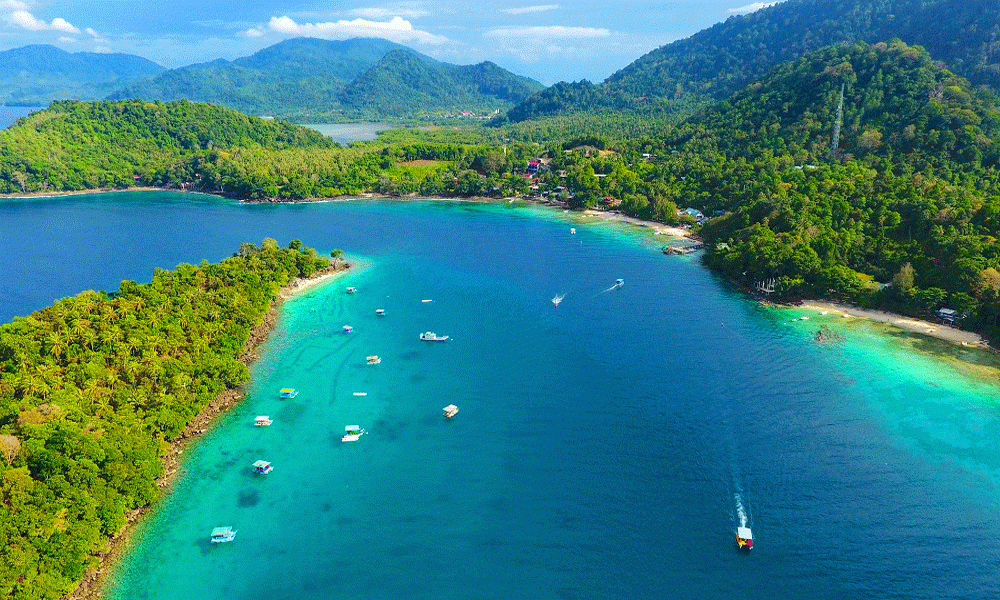
Pulau Weh feels wonderfully far from Indonesia’s busiest travel routes. Just off the northern tip of Sumatra, this forested volcanic island offers clear water, quiet beaches, reef diving, and the relaxed pace of Sabang life. A Pulau Weh vacation is not about ticking off endless sights. It is about choosing a few meaningful experiences, slowing down, and traveling in a way that respects the island’s marine life and local communities.
For travelers building a wider North Sumatra adventure, Pulau Weh pairs especially well with time in Bukit Lawang, Berastagi, Lake Toba, or Banda Aceh. You can begin with orangutan trekking in the Leuser rainforest, then trade jungle sounds for the sea. Both places reward patience, good local guiding, and a responsible approach to wildlife.
Why Pulau Weh, Sabang, Is Worth the Journey
Pulau Weh, Sabang is Indonesia at its quieter, more elemental. The island sits at the western edge of the archipelago, where the Andaman Sea meets the Indian Ocean. Its coast shifts from pale, sheltered bays to rugged headlands, while the interior is green, hilly, and lightly developed.
Sabang is the island’s main town and practical center for ferry arrivals, supplies, ATMs, and local transport. Most visitors stay outside town, often near Iboih or Gapang on the west coast, where the water is calmer and snorkeling is easy to arrange. The island is small enough to explore over several days, but not so small that every corner feels crowded or commercial.
Pulau Weh tourism suits travelers who value nature over nightlife. There are casual beach cafes, dive centers, simple guesthouses, and sunset viewpoints, but this is not a resort island built around large hotels and packed schedules. The reward is space: time to swim, watch the light change over the water, and meet people whose lives are closely connected to the sea.
Getting to Pulau Weh and Around the Island
Most visitors reach Pulau Weh by ferry from Ulee Lheue Port in Banda Aceh. Banda Aceh has an airport with domestic connections, making it the usual gateway after arriving in Medan, Jakarta, Kuala Lumpur, or another Indonesian hub. Ferry schedules can change with weather, holidays, and operational conditions, so leave some flexibility in your plan rather than booking tight onward connections.
There are generally two ferry styles: a faster passenger boat and a slower, larger ferry that can carry vehicles. The fast boat saves time, while the slow ferry can be a sensible choice when seas are rough or if you prefer a more relaxed crossing. Motion sickness medication is worth considering if you are sensitive to boat travel, especially during wetter or windier periods.
On arrival at Balohan Port in Sabang, arrange a pickup with your accommodation or hire a local driver. Motorbike rental is common for confident, licensed riders, but island roads can be steep, uneven, wet after rain, and unfamiliar. A driver is often the safer choice for families, first-time visitors, or anyone planning to enjoy beach time without navigating hills after dark.
Tourist Attractions in Pulau Weh That Feel Worth Your Time
The best tourist attractions in Pulau Weh are mostly natural places, and that is exactly the point. Give each one enough time rather than racing from beach to beach.
Iboih Beach and Rubiah Island
Iboih is one of the most popular places to visit in Pulau Weh because it makes reef life accessible. The bay is scenic, and small boats can take visitors across to Rubiah Island, where snorkeling is often the main event. Expect colorful fish and coral close to shore when conditions are clear.
Choose operators that provide properly maintained equipment, explain local conditions, and avoid chasing or feeding marine animals. Do not stand on coral, even in shallow water. One misplaced foot can damage a living structure that took decades to grow.
Gapang Beach
Gapang Beach is a relaxed base for swimming, snorkeling, and diving. Its broad bay and laid-back accommodations appeal to couples, friends, and independent travelers who want easy access to the water without needing a full-day excursion. It can be a good alternative to Iboih if you prefer a quieter feel while remaining close to dive facilities.
The beach is also a reminder that sea conditions matter. Calm-looking water can still have currents, and visibility varies by season. Ask local staff where it is safe to swim that day and respect advice about weather.
Kilometer Zero Indonesia
At the island’s far western side, the Kilometer Zero monument marks the westernmost point of Indonesia. It is a popular photo stop, but the surrounding drive is part of the experience. Forested roads, coastal views, and the sense of standing at the country’s edge make it more memorable than the monument alone.
Go early or later in the afternoon for softer light and fewer visitors. Bring water, keep an eye out for monkeys from a respectful distance, and never offer them food. Feeding wildlife changes animal behavior and can create dangerous encounters for both animals and people.
Sumur Tiga Beach
On the eastern side of the island, Sumur Tiga offers a different mood: open coast, long stretches of sand, and broad sunrise views. It is especially appealing if you want a break from the more frequently visited west-coast bays. The sea here can be stronger, so treat it as a place to walk, relax, and assess conditions carefully before swimming.
Sabang Town and Local Food
Sabang town is worth visiting for everyday island life, a local meal, and a view of the harbor. Look for Acehnese flavors such as fragrant curries, grilled fish, noodles, and coffee. Ask about spice levels before ordering if you are not used to chili. Supporting family-run eateries, drivers, guides, and small accommodations keeps more visitor spending in the community that hosts you.
Diving and Snorkeling: Put the Reef First
Pulau Weh is known among divers for volcanic underwater landscapes, healthy reef areas, turtles, schooling fish, and the possibility of larger marine life. Conditions and sightings are never guaranteed, which is part of responsible nature travel. A good dive is not measured by how close you get to an animal, but by how safely and respectfully you observe its habitat.
Divers should choose reputable centers that conduct proper safety briefings, maintain equipment, check certifications, and use small-group practices where possible. If you are new to diving, take time for a patient introduction rather than treating an ocean dive as a quick vacation add-on. If you are an experienced diver, be honest about your recent experience and comfort with currents.
Snorkelers have an equally important role. Use reef-safe sun protection when available, wear a rash guard to reduce sunscreen use, and keep fins well clear of coral. Never collect shells, coral, or marine souvenirs. The most meaningful thing you can take home is the memory of a reef left intact.
A Practical Pulau Weh Travel Guide: How Many Days to Stay
Three nights is a comfortable minimum for a first visit. It gives you time to settle in after the ferry, enjoy a reef day, see the western coast, and leave room for weather changes. Four or five nights works better if you want several dives, a slower beach rhythm, or time on both the west and east sides of the island.
A simple four-day plan might include arrival and a sunset swim on day one; snorkeling around Iboih and Rubiah on day two; diving or a relaxed Gapang Beach day on day three; and a drive to Kilometer Zero with a stop in Sabang town on day four. This is not a fixed formula. Travelers who come for diving may happily spend every day near the water, while families may prefer shorter outings and more rest time.
The driest, sunniest conditions are often associated with the middle of the year, but weather patterns can shift. Shoulder periods may bring more rain and fewer crowds. For many travelers, that trade-off is worthwhile if they are flexible and do not expect every day to be perfect beach weather.
Travel Responsibly on Pulau Weh
Small islands feel tourism pressure quickly. Freshwater, waste systems, reef health, and local roads all have limits. Your choices matter more here than they might in a large city.
Bring a reusable water bottle where refill options are available, minimize single-use plastic, and carry out litter from remote beaches. Dress respectfully in villages and town, particularly because Aceh has a distinct local culture and more conservative norms than some other Indonesian destinations. Swimwear belongs at the beach, not in shops or public streets.
Be thoughtful with wildlife, too. Do not touch turtles, chase fish for a photo, or fly drones near animals or private homes without permission. If you join a boat trip, ask whether the crew follows reef-friendly anchoring practices and avoids wildlife feeding. Responsible travel is not less adventurous. It is the way an adventure remains possible for the next visitor and for the people who call Pulau Weh home.
If you are planning a longer Sumatra route, allow travel days between destinations instead of squeezing every stop into a rushed schedule. The island is best enjoyed when you arrive unhurried, listen to local advice, and leave with the reef, beaches, and community treated as carefully as you found them.