Info@bukitlawangtravel.com

The Jungle Guide Bukit Lawang and Leuser National Park
Searching thejungleguide Bukit Lawang, Leuser national Park? Plan an ethical orangutan trek with local guides, practical tips, and real rainforest respect.
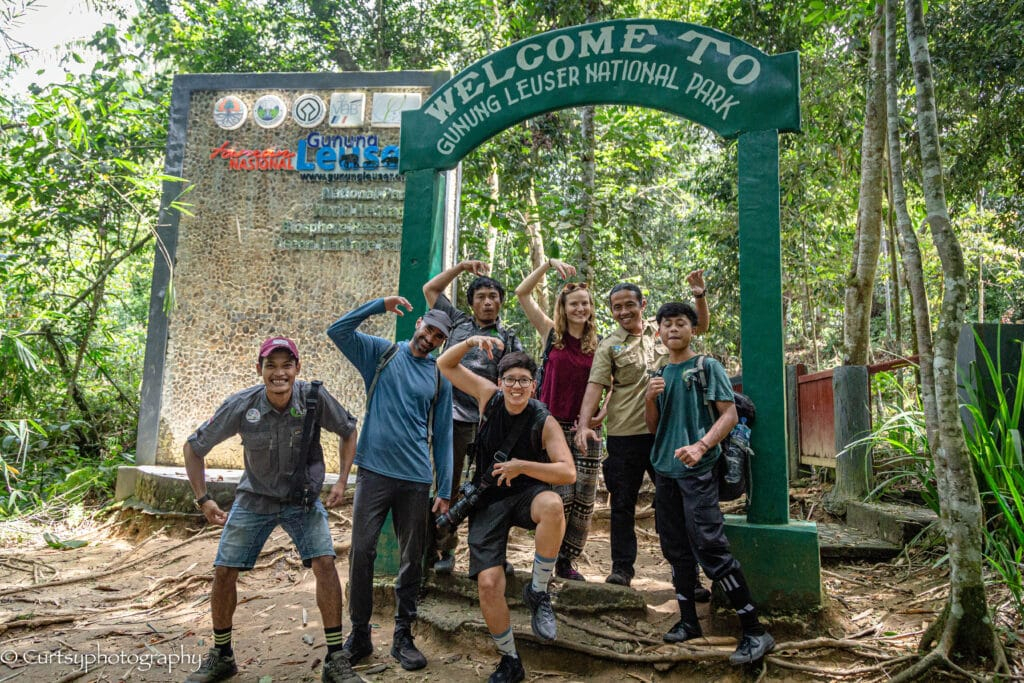
A wild orangutan moving through the canopy is not a scheduled attraction. It is a quiet privilege, earned by walking slowly, listening carefully, and giving the forest room to remain wild. If you are searching for the jungle guide Bukit Lawang, Leuser national Park, this is the experience worth planning for: a locally guided rainforest trek that puts animal welfare, guest safety, and community benefit ahead of a quick photo.
Bukit Lawang is one of Sumatra’s best-known gateways to the forest, but the quality of your visit depends on the choices you make before you arrive. The right trek is not necessarily the longest or hardest one. It is the one that fits your group, respects the rainforest, and is led by people who know its trails, wildlife behavior, and local community.
Bukit Lawang Is the Gateway, Not the Whole Story
Bukit Lawang sits beside the Bohorok River in North Sumatra, on the edge of the Gunung Leuser landscape. Visitors often use “Leuser National Park” as a catch-all name for the rainforest experience here, but it helps to understand what makes the area special. Gunung Leuser National Park is part of the wider Leuser Ecosystem, one of Southeast Asia’s most important remaining rainforests.
This is habitat for critically endangered Sumatran orangutans, along with Thomas’s leaf monkeys, long-tailed macaques, pig-tailed macaques, hornbills, monitor lizards, and countless insects, frogs, and forest plants. More elusive species, including elephants, tigers, and rhinos, also depend on the broader ecosystem, though you should never expect to see them on a Bukit Lawang trek.
That distinction matters. Responsible travel is not about collecting a list of animals. It is about entering a living forest with realistic expectations. Some days bring an unforgettable orangutan sighting high above the trail. Other days bring rain, muddy hills, a chorus of gibbons, and the satisfaction of knowing you are walking through habitat that needs protection.
What an Ethical Orangutan Trek Looks Like
A responsible trek should feel different from a zoo visit. Guides do not call animals closer, feed them, touch them, or encourage guests to block their path. Orangutans need distance, especially mothers with young babies. Your guide should manage the group calmly, ask guests to lower their voices, and move on when an animal shows signs of discomfort or simply chooses another route.
Keep a respectful distance from all wildlife, not only orangutans. Never offer food, even if a monkey appears bold or curious. Human food changes animal behavior, can spread illness, and creates conflict around trails and villages. If you feel unwell, especially with a cough, fever, or stomach illness, tell your operator before joining a trek. Great ape health is closely connected to human health.
Ethical trekking also means choosing small groups and certified local guides. A local guide brings much more than trail directions. They read weather changes, know how to respond if wildlife is nearby, identify safe places to rest, and share knowledge shaped by years of living beside this forest. Their work supports families in Bukit Lawang while helping ensure visitors move through the area with care.
The reintroduction area and the wider forest
Around Bukit Lawang, some orangutans may be more accustomed to people because of the area’s history as a rehabilitation and reintroduction site. That does not make them tame. They are powerful wild animals, and visitors should not confuse familiarity with safety.
A good guide will explain the difference between seeing wildlife near established trekking routes and trekking deeper into less-visited forest. Both can be meaningful. The first may suit travelers with limited time or families with younger children. The second can offer a more remote jungle experience, but it requires stronger fitness, a flexible attitude, and comfort with basic conditions.
Choose the Trek That Fits Your Adventure
You do not need to spend a week in the jungle to have a genuine experience. A three-hour or half-day walk can be an excellent introduction for families, first-time trekkers, or travelers continuing to Lake Toba, Berastagi, or other parts of Sumatra. Expect uneven ground, humidity, and a real chance of getting muddy, even on a shorter route.
A full-day trek gives you more time to settle into the forest rhythm. It is often a good choice for couples and independent travelers who want more hiking without sleeping in camp. Multi-day expeditions are for those who want the full adventure: forest camps, river crossings, simple meals prepared in the jungle, night sounds, and long days away from town.
Night treks are different again. They are not about searching for orangutans after dark. They are about noticing the smaller rainforest world: insects, frogs, spiders, lizards, and the sounds that become clearer when daylight fades. A guide, flashlight, suitable footwear, and a calm pace are essential.
Before booking, be honest about your fitness and comfort level. Bukit Lawang trails can be steep, slippery, hot, and humid. Rain can make a moderate hike feel demanding. A responsible operator will ask about children’s ages, medical needs, trekking experience, and any mobility concerns rather than pushing every guest toward the same itinerary.
Practical Planning for Bukit Lawang
Most international visitors arrive in North Sumatra through Medan. From there, the journey to Bukit Lawang generally takes several hours by road, depending on traffic and weather. Private transport is often the simplest option after a long flight, particularly for families or travelers carrying larger luggage. Shared transport can work well for flexible solo travelers, but departure times may be less predictable.
The driest periods are often the easiest for trekking, but rainforest weather does not follow a perfect calendar. Rain can arrive in any month, and that is part of what keeps this landscape so green. Bring a lightweight rain jacket, clothes that dry quickly, a reusable water bottle, insect repellent, sunscreen, and a small daypack. Closed-toe hiking shoes or trail sandals with reliable grip are far better than flip-flops.
Pack light for overnight treks. Your guide team can explain what is provided and what you need to carry. Avoid disposable plastics wherever possible, and do not leave tissues, wrappers, or food scraps in the forest. Every small decision matters in a place where waste management is challenging and the river supports both wildlife and village life.
Travel insurance that covers adventure activities is sensible, especially for multi-day trekking and rafting. It is also wise to carry some cash for personal purchases in town, check your visa requirements before flying, and arrange a local SIM or eSIM plan if you need reliable communication while traveling through Sumatra.
A Better Way to Spend Your Travel Budget
The most meaningful Bukit Lawang trips do not begin and end at the trailhead. Stay with locally connected accommodation, eat at small restaurants, join a village walk, try a cooking class, or add a rafting trip on the river if conditions are suitable. These choices help keep visitor spending in the community that hosts the adventure.
At Bukit Lawang Travel, we believe a jungle experience should leave guests with more than photographs. It should create income for local guides, drivers, cooks, and small businesses while giving travelers a closer understanding of why this rainforest deserves protection.
Be thoughtful when comparing prices. The cheapest trek is not always the best value if it relies on oversized groups, unclear safety standards, poor guide support, or wildlife practices that put animals under pressure. Ask what is included, how many guests will be in your group, whether guides are certified, how food and waste are handled, and what happens if weather changes the plan.
The Jungle Rewards Patience
No ethical operator can promise an orangutan sighting, perfect weather, or spotless shoes. That uncertainty is part of the point. The forest is not performing for visitors. It is carrying on with its own ancient, complex life.
Come prepared to walk, sweat, listen, and adapt. Give wildlife space, trust your certified local guide, and choose an adventure that benefits Bukit Lawang as much as it benefits your travel story. The memory you take home will be stronger for it.